On a road trip through Xinjiang in 2012, Peng Bin saw how aging farmers labored in vast cotton fields with heavy tanks of pesticides strapped to their backs, spraying the chemicals without any protection.
“I could smell the acrid stench of pesticide from afar and I thought maybe my unmanned aircraft could help,” said Peng, 37, founder and chief executive of XAG, one of China’s biggest makers of agricultural drones. “At least, drone spraying would limit the farmers’ exposure to the chemicals.”
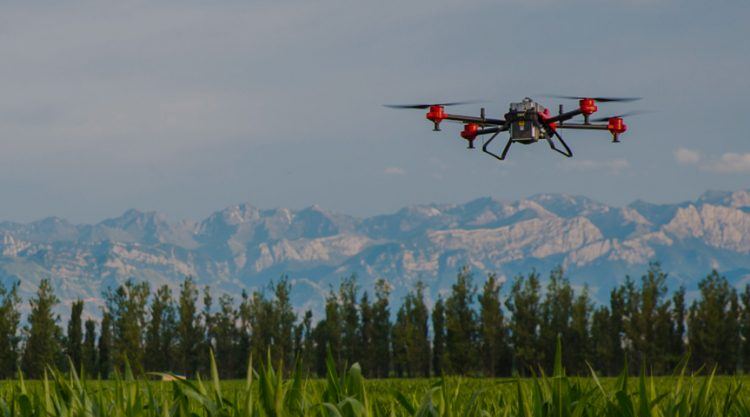
Photo source: XAG
It is also more cost-effective, an important consideration for the labor-starved agricultural industry in China. In general, a drone can do the same spraying job in 1/30th the time. And the more challenging the terrain, the more advantage a drone has.
Soon after the trip, Peng focused on producing drones for industrial use, instead of the consumer devices that hobbyists use to take holiday videos. That move proved prescient as demand for pesticide and fertilizer spraying soared with the decline in farm labor. Young people would rather work in factories or wait tables and clean homes in big cities like Beijing and Shanghai than toil in the fields.
For Peng, his chosen career marks a full circle of sorts for his family. Peng’s parents moved from the countryside to Sanming City in China’s southern Fujian province early on.
Peng himself was born and raised in the city. A computer science graduate from XiDian University in Xian, he worked for Microsoft for two years before starting a business in 2007 to make consumer drones. He renamed the company XAG last year.
The company estimates it accounts for more than half of agricultural drone sales in China, serving more than 1.2 million farmers. XAG has 27,000 drones in operation, most of which were sold to companies that offer pesticide-spraying services. The company made more than 100 million yuan (US$15 million) in profit last year, Peng said, without being more specific.
Boosting agricultural productivity is a top priority for China, which wants to lessen the country’s reliance on food imports. The government has set a target to produce 90% of its own farming equipment by 2020, and the sector is one of the priorities in Beijing’s Made in China 2025 strategic industrial plan.
Competition in agricultural drones is expected to heat up, with DJI – the world’s biggest maker of commercial drones – also identifying the sector for expansion.
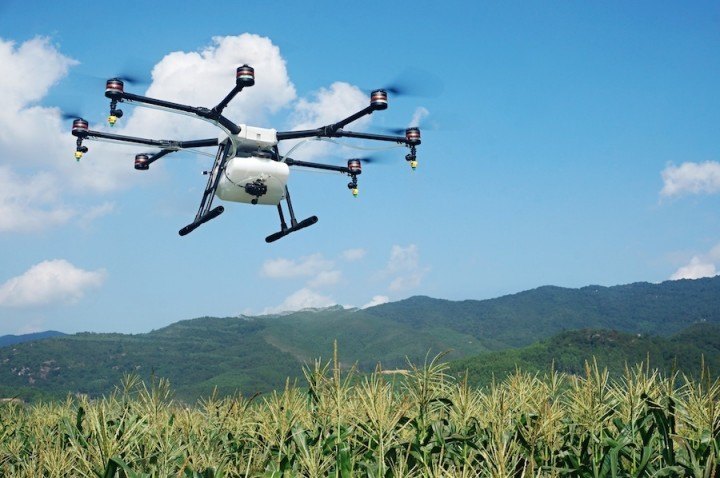
China’s DJI has launched a crop-spraying drone for farmers. / Photo source: DJI
The Shenzhen-based company sees its latest drones, including the Mavic 2 and Agras MG-1, as being squarely aimed at the industrial segment, which accounts for more than half of the global US$9 billion drone market.
“One of the key areas for the enterprise business is [the use of drones] in agriculture,” Bill Chen, DJI’s enterprise partnership manager, said in an interview in January. “As the world’s population keeps growing, we have to find more hi-tech ways to meet the rising demand for food.”





Stay updated on the go with our mobile app.
Get latest insights with smoother, more personalized experience through TIA mobile app.