- Premium Content It takes our newsroom weeks - if not months - to investigate and produce stories for our premium content. You can’t find them anywhere else.
 Keji Elder · · 6 min read
The app with a 28-minute fix for China’s healthcare system
Like any other country, China has a healthcare system that’s far from perfect. Its medical infrastructure serves a population of more than 1.4 billion people, so it’s not surprising if it gets overstretched at times. As people queue to register for an appointment at the best hospitals in major cities, some bring sleeping bags so they can camp overnight, while others show up as early as dawn to get in line.
Scenes like this have spawned a local idiom about Chinese healthcare: “three long, one short.” “Three long” means longer wait times to register at the counter, get medical treatment, and receive medicines. “One short” refers to the short consultation time with the doctor.
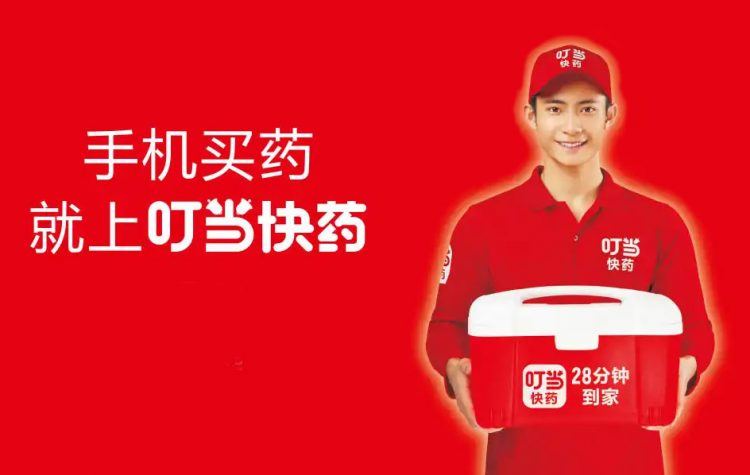
Enter Dingdang, a service that not only connects patients with pharmacies, doctors, and hospitals but also provides medicines and medical consultations – all in a mobile app. But its biggest selling point is its promise to deliver medicine in just 28 minutes, turning the hospital experience for patients from “three long, one short” into “quick and short.”
Swift delivery, lower costs
Born in Beijing in 2014 and launched publicly in February 2015, Dingdang aims to leverage the internet to transform China’s drug retail model. As with a handful of famous Chinese internet companies, Dingdang recognized an opportunity in integrating the offline world of a traditional industry – in this case, healthcare services – with the unbridled potential of the internet.
At present, the company operates two major business segments: online platform Dingdang Fast Medicine and offline network Dingdang Smart Pharmacies.
The company’s core business, Fast Medicine offers 24-hour quick delivery, digital consultations from professional pharmacists and doctors, and booking services for in-home nurse visits. It bears some resemblance to PillPack, the drug-delivery platform bought by Amazon for US$1 billion in August. But while it takes PillPack one week to deliver non-prescription medicines, Dingdang pledges to send medicines at the speed of a pizza delivery: in less than 28 minutes, 24/7.
Fast Medicine offers information on supplies for six broad categories: Chinese and Western medicines, Chinese herbal medicines, nutrition and health care, adult products, medical equipment, and personal care. Within these categories, Dingdang helps provide treatments to combat a wide range of ailments, including the common cold, diabetes, and high blood pressure as well as dermatological problems and issues specific to traditional Chinese medicine, such as heat reduction and detoxification, among others.
Meanwhile, Dingdang sets up physical locations to sell medicines via Smart Pharmacy. This allows the company to create electronic files for its customers and collect their health data. Such information is then shared with Dingdang’s partner pharmaceutical companies to support their drug development and market positioning plans.
So far, Dingdang’s services have been deployed in 26 cities, including Beijing, Shanghai, Guangzhou, and Shenzhen, with nearly 200 self-operated smart pharmacies and over 600 partnerships with brick-and-mortar pharmacies.
Dingdang also announced plans in late November to open 2,000 smart pharmacies across 300 cities in China. It has also introduced Internet Hospital, which enables patients to have in-app, one-on-one doctor consultations at any time. This new feature is the culmination of a partnership that it signed last June with Medlinker, a medical services platform that hosts more than 500,000 certified doctors.
Leveraging partnerships and government support
Dingdang’s efforts are focused on solving problems in the “fat tail” of medical service supply in China, such as minor illnesses, chronic pains, follow-ups, and other cases which may not require patients to seek in-person treatment at a hospital. The proportion of patients that fit this category in the country could be as high as 70 percent.
It is exactly this group of people that Dingdang hopes to better serve via an online marketplace that reduces the transaction costs around giving and receiving medical treatments. Ultimately, the goal is to create a fully integrated medical service – a closed loop where patients can receive medical, diagnostic, and pharmaceutical services in one place.
Dingdang’s backers include SB China Venture Capital, which invested US$43 million at the start of 2018, and Renhe Group, a China-based pharmaceutical conglomerate with hundreds of products across non-prescription medicines, traditional Chinese medicine, disinfection and cleaning supplies, and cosmetics.
Facing off against China’s tech titans
Stay ahead in Asia’s tech landscape
This is premium content. Subscribe to read the full story.
Dingdang delivers meds swiftly, easing a huge pain point.
We know this is not ideal. ⌛ Sign up in 20 seconds. Cancel anytime.
Our subscriber community includes professionals from these companies:





Stay updated on the go with our mobile app.
Get latest insights with smoother, more personalized experience through TIA mobile app.