Daniel Ren · · 6 min read
Is Star Market just another casino for excitable stock market punters?
Seventy-year-old Jiang Guangyuan was bursting with confidence as he watched his shares on Shanghai’s Technology and Innovation Board surge to dizzy heights on Monday morning.
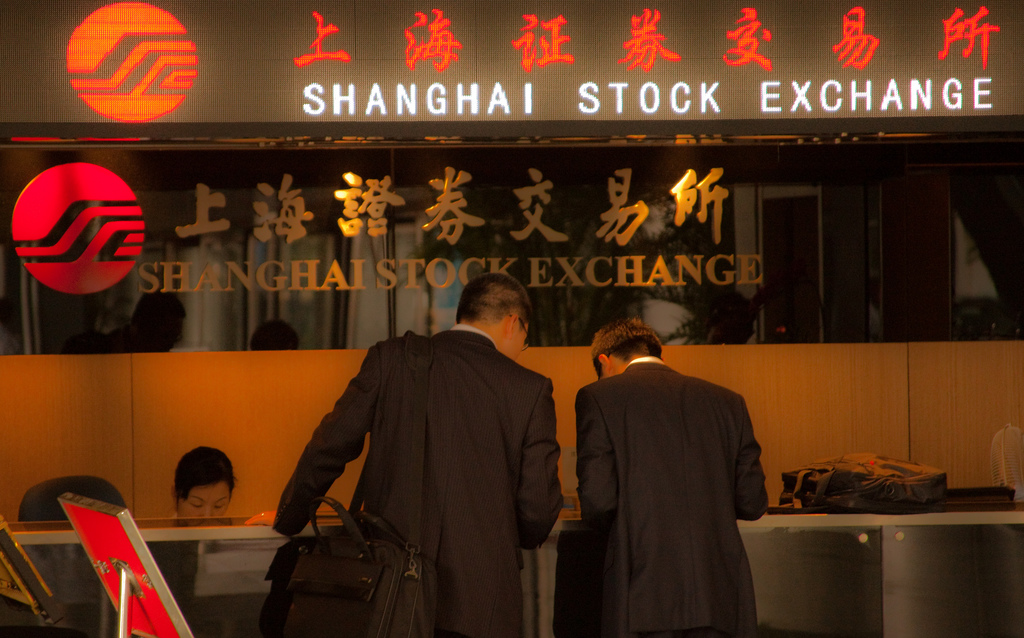
Photo by Aaron Goodman
Having bought them immediately after trading began, it appeared his faith in the Star Market, as China’s answer to the Nasdaq is also called, had been handsomely rewarded as the share price of Western Superconducting Technologies and its 24 fellow debutants skyrocketed.
He had every reason to hope the rally would continue for the whole week. After all, the sky was the limit during those five opening days of unimpeded trading before restrictions designed to minimize volatility would kick in on Monday.
But the party was over almost before it started. By Friday, Jiang – and many other early Star Market investors – was licking his wounds after seeing the shares tumble from their day-one highs as the early promise of a market perceived as a potential launchpad for China’s own versions of Microsoft and Apple turned to dust.
“As a seasoned stock investor with more than 20 years of experience, I believed that shares of the companies would keep rising for at least five days when they started trading,” says Jiang, the former manager of a state-owned company in Shanghai. “I am currently stuck with paper losses, but still believe that the losses can be recovered in the near future.”
Jiang is one of the four million individual investors eligible to buy and sell stocks in the much-heralded new market.
Like many others, he had not been able to get his hands on shares at the IPO stage: such was the enormous demand amid giddy expectations for the debutant start-ups. So he did what he thought was the next best thing and bought his shares soon after launch, chasing the early rally.
What he had not foreseen was that the rally was all but done by that point.
He bought 1,000 shares in Western Superconducting for 54 yuan (US$7.85) each just after trading had commenced. Although he got in early, the stock price of the superconducting material producer had already jumped more than 260%.
They hit an intraday high of 65.6 yuan (US$9.52) at 10:30 am on Monday but then fell back to finish day one at 54.99 yuan (US$7.98), up 266% from the IPO price.
They have since lost 15.1%, finishing Friday at 46.6 yuan (US$6.76), which translates into a 7,400 yuan (US$1,073.41) paper loss for Jiang.
Jiang is fairly typical of China’s vast army of experienced, often elderly, individual stock market investors. Prone to overexcitement and making ill-judged, impulsive decisions, they pose a problem for regulators bent on bringing stability to the famously volatile domestic markets.
Their often wild speculative bets have led many observers to compare the country’s domestic markets to casinos.





Stay updated on the go with our mobile app.
Get latest insights with smoother, more personalized experience through TIA mobile app.