Believe it or not, we’re already creeping up on the end of 2015. And as is often the case, this is a year that saw China’s internet scene get more restrictive. Here are ten big examples of Chinese censorship on the web this year, ordered from most to least recent. Plus, don’t miss the fun bonus at the end!
1. SAPPRFT bans set-top box apps
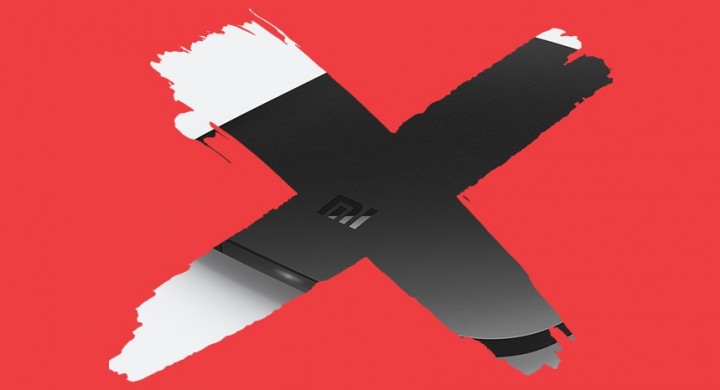
It often seems like SAPPRFT, China’s State Administration of Press, Publication, Radio, Film and Television of the People’s Republic of China, exists solely to spoil everyone else’s fun, and the agency made another move in that direction recently when it banned 81 third-party apps from being used on set-top boxes in an attempt to exert more control over the internet TV industry. Several very popular apps were among those that got banned, and many have interpreted the move as an attempt by SAPPRFT to maintain the status quo and prop up China’s declining cable TV industry.
2. Ministry of Culture orders internet companies to vet all music
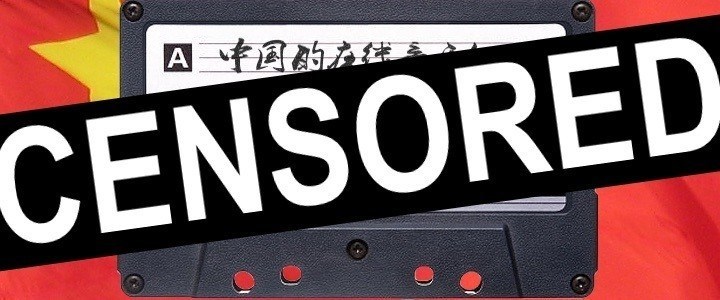
In a move that some have described as “extremely not punk rock,” China’s Ministry of culture recently ordered that internet music streaming companies need to set up censorship departments and vet all uploaded songs before they can be posted online. Streaming companies will also need to set up systems to punish uploaders of unapproved or illegal content, and blacklist repeat offenders.
3. China embeds police in internet company offices

Back in August, China announced what seemed to some to be a significant move: embedding police units in the actual offices of major internet companies. The government positioned it as a crime-fighting move: a way to allow police to react more swiftly to online crimes. But many third-party observers saw it as a political censorship play aimed at tightening the government’s grip on the web. Given that China’s major web firms were already in close contact with Chinese police, it’s not clear that much has actually changed in terms of day-to-day life, but the psychological self-censorship effect produced when there’s a police station embedded in your office might be difficult to quantify.
4. WeChat censors Uber
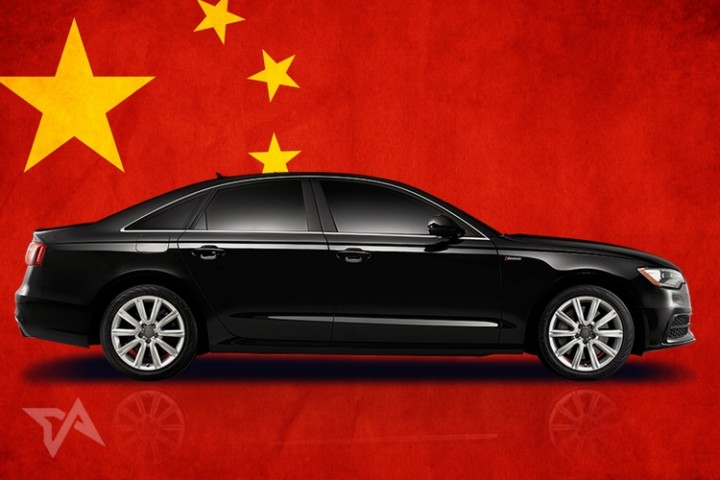
It wasn’t only Chinese authorities doing the blocking this year! On several different occasions, Tencent was accused of censoring or blocking Uber. For example, in this July instance, searches for the word “Uber” were censored, and users who posted about Uber could see their own posts but soon discovered their friends couldn’t – any post mentioning “Uber” was hidden to outsiders. Tencent said the issue was caused by a technical glitch, but given that no other search terms were affected – and given that Tencent is an investor in Uber competitor Didi Kuaidi – that was a claim that was met with heavy skepticism.
5. Ministry of Culture punishes video sites over anime
6. DDoS attacks cripple anti-censorship organization Greatfire
7. Chai Jing’s viral pollution documentary is scrubbed from web and discussion is censored
8. China begins censoring online usernames
9. WeChat introduces new rules for posting
10. SAPPRFT pulls more US TV shows from the web
Bonus: China’s censors made their own theme song!





Stay updated on the go with our mobile app.
Get latest insights with smoother, more personalized experience through TIA mobile app.