- Premium Content It takes our newsroom weeks - if not months - to investigate and produce stories for our premium content. You can’t find them anywhere else.
 Kenan Machado · · 7 min read
Why is Facebook betting $5.7b on Reliance?
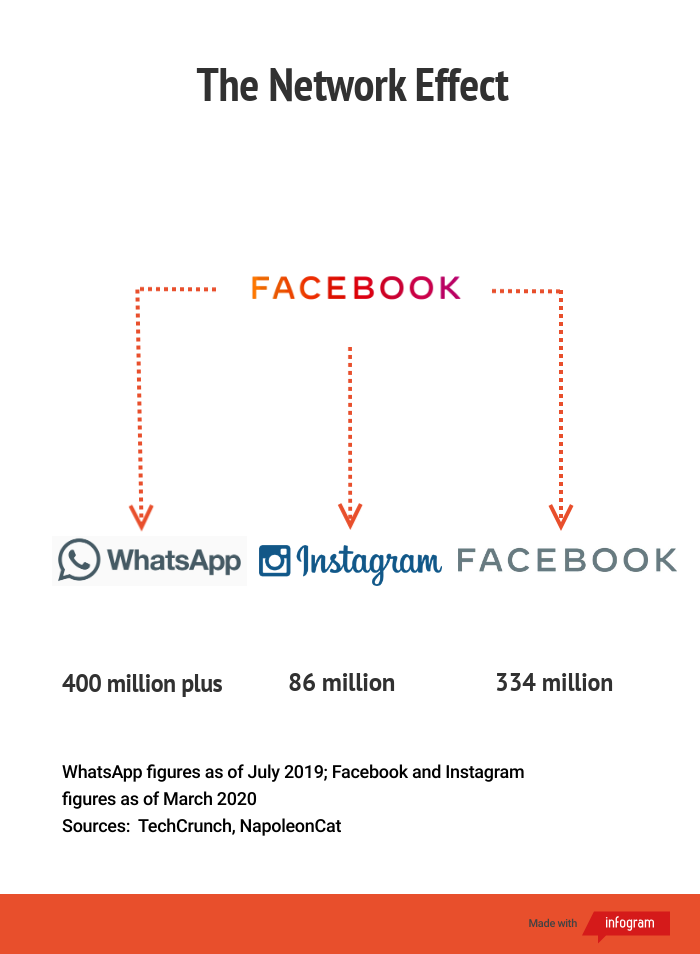
Facebook’s venture with Indian oil-to-gas conglomerate Reliance could turn out to be instrumental to its plan to capture the country’s vast retail market and serve as a template for Southeast Asia or any region it hopes to enter.
Tech in Asia spoke to people involved in the deal and industry experts to understand what may have prompted the social media giant to make its biggest acquisition since buying WhatsApp in 2014 for US$22 billion.
Facebook paid US$5.7 billion for a little less than 10% of Reliance’s digital assets, which include its telecommunications unit Jio and e-wallet JioMoney as well as music and video-streaming services. The deal values Reliance’s October 2019 carve-out at US$66 billion.
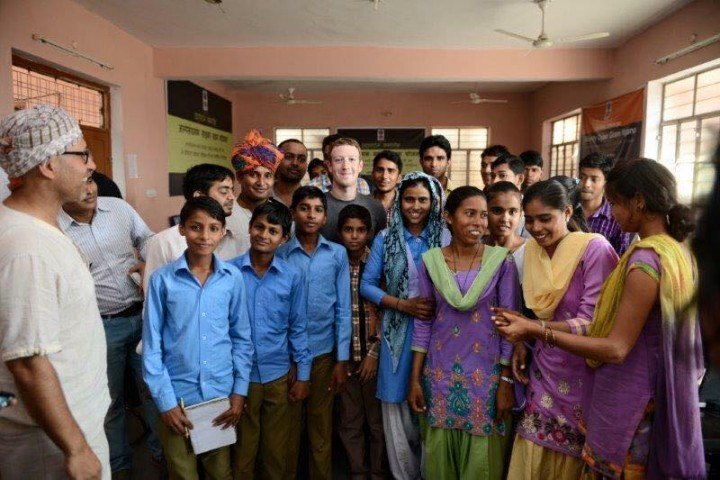
Zuckerberg at the launch of Internet.org in India / Photo credit: Facebook
Global tech majors like Facebook, Amazon and Google are hoping that India’s volumes will make up for the relatively low disposable income in the world’s largest digital economy outside China.
With its formidable local tech giants and restrictive controls on foreign businesses, China can be a tricky or even a no-go market for international companies, particularly US firms. Facebook head honcho Mark Zuckerberg’s relationship with the Middle Kingdom has hit a nadir despite making several overtures, including learning Mandarin.
“India is a special country for us,” said Facebook when it announced the deal with Reliance. It wants to “enable new opportunities for businesses of all sizes,” especially the over 60 million small businesses across the country, the social network added.
“Payments have always been the tip of the spear,” says Vijay Mani, a partner at professional services network Deloitte India. That’s why controlling the flow of money at kiranas – the mom and pop shops that dominate India’s unorganized retail industry – will help them sell other services. Facebook and Reliance will likely offer ecommerce as well as lending and financial services to small and medium-sized enterprises (SMEs), he adds. They also plan to leverage Reliance’s existing payment terminals with kiranas, a person familiar with the companies’ thinking tells Tech in Asia.
Through its grocery shopping app JioMart, Reliance has been trying to make inroads by subsidizing the cost of these terminals and waiving transaction fees. The company piloted JioMart in January to connect neighborhood kiranas with millions of Reliance Jio users.
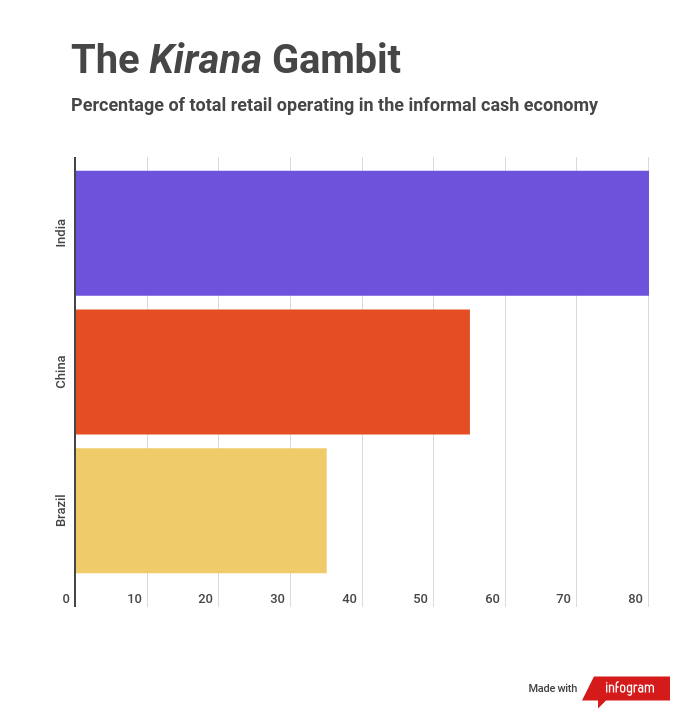
Source: McKinsey Global Institute’s Digital India report
The goal is for merchants to deepen their relationship with Reliance and use it to order supplies, finance working capital, and borrow money, the source says.
Connecting with friends
A finger on the till
Stay ahead in Asia’s tech landscape
This is premium content. Subscribe to read the full story.
Its friend request to the firm controlled by Asia’s richest man is the first step towards facilitating payments and ecommerce in a promising market.
We know this is not ideal. ⌛ Sign up in 20 seconds. Cancel anytime.
Our subscriber community includes professionals from these companies:





Stay updated on the go with our mobile app.
Get latest insights with smoother, more personalized experience through TIA mobile app.









📅 Upcoming Events
22 October 2026
Payoneer x CSPN Summit 2026