
Several stats and buzzwords get thrown around when global investors talk about Indonesia’s tech startup potential. Often, they cite the country’s six percent economic growth rate in recent years, or the population of more than 250 million; more than 50 percent of whom are people under the age of 29, a demographic more inclined to adopt tech products and drive consumption to a new level in less than a decade.
It’s true, the numbers are appetizing. But venture capitalists and angel investors who actually have real experience in Indonesia may tell you a different story – the archipelago is an attractive marketplace, but it can be elusive and frustrating too. Many startups fail in Indonesia. This is not because the ideas, executions, or founders are bad, but because the the country poses several counterintuitive market challenges.
Founders have to think about cultural biases, incongruent education levels that often separate an otherwise singular audience into many factions, the unreliable state of local infrastructure, and a lower than average trust level for ecommerce businesses (although a large part of the startup community does believe those trust issues are slowly changing). Here is a list of five unique challenges investors need to think about before jumping into Jakarta’s new venture shark tank.
1. A shallow talent pool
As with a few of its Southeast Asian neighbors, Indonesia suffers from a lack of skilled professionals. According to the International Labour Organization (ILO), Indonesia is finding it increasingly difficult to respond to the skills needed of its workforce in a time of increasing globalization, new technology, and changing work patterns. The ILO also claims this shortage is compounded further due to elements such as the emigration of skilled professionals, an aging workforce, and the lack of capacity to provide sophisticated training.
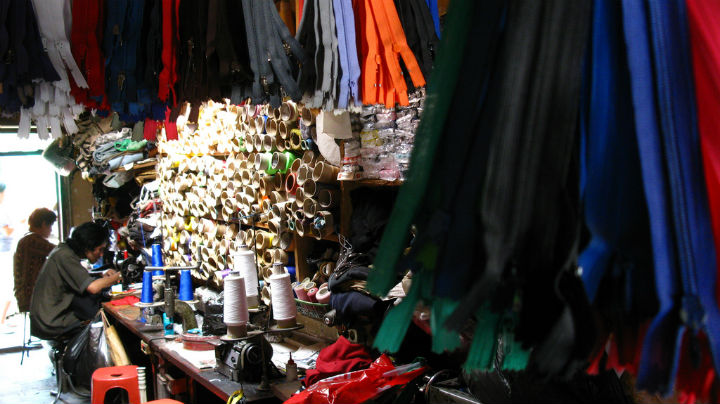
The World Bank cites (PDF link) poor education as the cause, claiming gaps in thinking and behavioral skills are particularly critical given their overall level of importance for employers. This is compounded by the fact that young workers in Indonesia seem to experience a low sense of preparedness for their job or professional life in general. As a way to avoid this talent pool pitfall, many entrepreneurs turn to outsourcing the technical skills they need to more developed countries.
See: 10 questions to ask before outsourcing work at your startup
2. An abundance of red tape
AFP says Indonesia is one of the worst countries in the world for startup facing “red tape” issues. Startups.co.uk defines red tape as codes of practice, laws and regulations that exist when starting a new business. The Organisation for Economic Co-operation and Development (OECD) says on average that five procedures and five days are necessary to establish a corporate entity in nations like the US. In Indonesia it takes nine procedures and 47 days.

A survey conducted by the Political and Economic Risk Consultancy (PERC) ranked 12 key countries on a scale from one to 10, with 10 as the worst possible score relating to procedural difficulties for foreign investors. Indonesia was almost the worst, scoring an 8.59, just ahead of India, which came in last place at 9.41. Indonesia was beaten by other developing nations like the Philippines (8.37), Vietnam (8.13), and Thailand (5.53).
3. A slippery target audience
Indonesia, the world’s fourth most populous country, is currently the last of Asia’s top five ecommerce markets by sales. The country’s population of internet users grew to 74.6 million last year and should almost double to 125 million by 2017. But don’t get too excited about investing just yet. First, consider the following.
4. Unreliable logistics for ecommerce
5. Bandwagon consumers





Stay updated on the go with our mobile app.
Get latest insights with smoother, more personalized experience through TIA mobile app.