Jum Balea · · 5 min read
Buy a sachet of shampoo, get wifi: here’s how a startup helps people get online in the Philippines
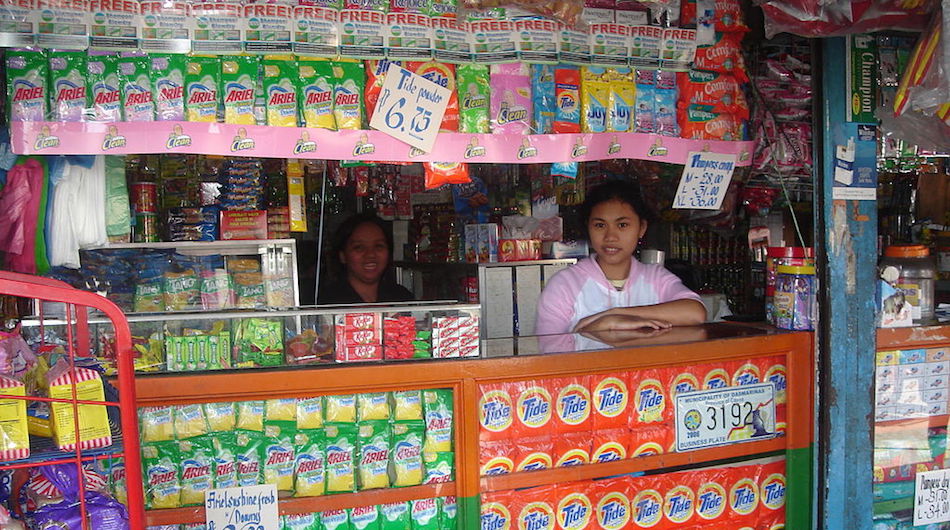
Photo credit: Glen
We know the stats: some four billion people or over half of the world’s population have no access to the internet at all. Most of those people come from developing countries. A chunk of them are poor and residing in rural areas where there is little or no infrastructure to provide connectivity.
Tech giants are increasingly making an effort to bring those people online, though they differ in their approach. Facebook and Google are experimenting with grand plans – think drones, balloons, microsatellites, and even internet bikes. Microsoft is investing in TV white spaces and any local solutions that show promise.
Microsoft says partnering with local entrepreneurs makes perfect sense because they are the ones who understand their communities’ needs the most.
With this in mind, the US company launched the Affordable Access Initiative. It gives grants to startups across the globe that are working to provide affordable internet access in their markets. Microsoft awarded grants to a first batch of 12 companies just recently.
One of those startups is Wifi Interactive Networks or WIN, which has come up with the novel idea of getting packaged goods manufacturers to deliver wifi to the mass consumer market.
Basically, WIN gets brands to carry the cost of installing and maintaining wifi hotspots at stores – from small neighborhood convenience stores to restaurants and bars – and gives access to consumers when they buy the brands’ products. All the buyer needs to do is register for access on their phone and the store approves the request. Once approved, the store sends a unique passcode to the user’s phone for the wifi.
WIN allows consumers to buy internet access in a way that’s very familiar to Filipinos – in sachets or small disposable plastic packs for single use. Sachets are a common way of packaging consumer products like detergents, shampoo, milk, and coffee in emerging markets as they are way cheaper than bottles. For example, if a consumer purchases a sachet of a sponsoring brand’s shampoo, they will get internet access for a certain number of minutes – usually 30.
The startup earns by charging the brands a monthly subscription fee per location.
“This is a sustainable business model because the brands generate immediate revenue from their sponsorship. In addition, they also acquire data analytics in terms of purchase behavior at the store level,” says founder Philip Zulueta.
WIN piloted in August 2015 and landed its first paying client in March this year. The client was San Miguel, the Philippines’ largest beer maker and a food and beverage manufacturer.
Early days
Philip spearheaded the setup of one of the first internet-connected university computer labs in the Philippines in 1998. “We connected 84 desktop computers to a T1 line back then so students didn’t have to go out of campus to access the internet. Chat was a favorite activity at that time. No Google or Facebook yet, just Yahoo,” he recounts. In 1999, Philip flew to the US where he worked with a few startups in the San Francisco Bay Area.
He got the idea for WIN after he got back from the US in 2012. He found that smartphones had become more prevalent, but people still couldn’t afford data, which was usually bundled in postpaid plans. At the time, he says 95 percent of cellphone subscriptions in the Philippines were prepaid. “This indicated to me that most users could not afford data plans relative to their income. The same applies to other developing countries like Indonesia and India,” he recounts.
“The answer for me was to have consumer good companies sponsor internet access since they cater to the same mass market that needed access. The business model of giving access upon purchase is a result of consultations with brands given their requirement for return on their digital investment.”
Serving areas with no internet
Raising more funds





Stay updated on the go with our mobile app.
Get latest insights with smoother, more personalized experience through TIA mobile app.