Chinese ecommerce powerhouse Alibaba booked a 40% surge in sales in the latest reported quarter, although uncertainties surrounding the US-China trade war remain and China’s GDP growth has hit a 30-year low at 6% year on year.
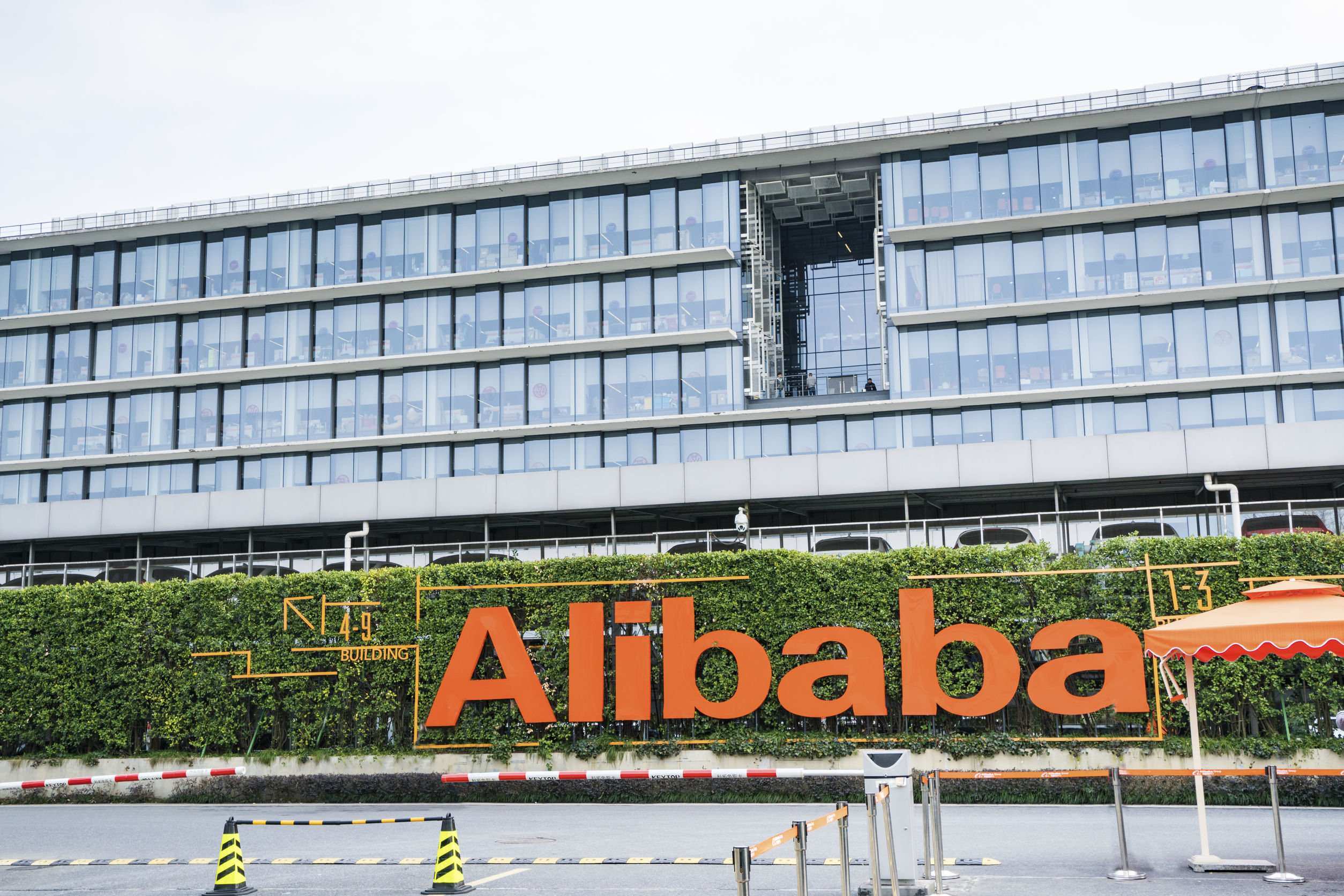
Photo credit: caoyuan73 / 123RF
The quarter ended September 30 saw Alibaba generate a better-than-expected revenue of US$16.7 billion, up 40% from the previous year. Meanwhile, its net income nearly tripled to US$9.9 million, which primarily came from a one-time gain from its acquisition of equity in affiliate Ant Financial earlier in September.
This is the first earnings report since Daniel Zhang succeeded founder Jack Ma as the ecommerce empire’s CEO, and it is sending optimistic signals to the market.
With 785 million mobile monthly active users on Alibaba’s online marketplaces and local services platforms, the core ecommerce business – including Taobao, Tmall, new retail initiative Freshippo, and logistics arm Cainiao Network – is still the main profit driver for the company. Moreover, thanks to Southeast Asia’s Lazada and global AliExpress, Alibaba’s international retail business also contributed to the robust growth momentum.
The adjusted EBITA of this segment rose 29% year on year to US$5.4 billion, accounting for nearly 40% of this quarter’s overall revenue.
This partly offset Alibaba’s continued profit loss in its nascent cloud computing operations, as well as the digital media and entertainment unit.
Alibaba CEO Zhang emphasized the strategic importance of its enterprise-facing businesses during the earnings call, which means the company will continue investing in big data and cloud computing technology.
As Alibaba continues to face increasing rivalry from up-and-comers such as on-demand service provider Meituan Dianping, group-buying platform Pinduoduo, and Chinese retail giant Suning, Zhang highlighted the opportunities available concerning synergies between different groups of users.
“We are identifying and executing new initiatives to convert the users from our China retail marketplace to users of our local services and the digital entertainment platforms,” said Zhang.
The upcoming November 11 shopping extravaganza, also known as Double 11 or Singles’ Day Sale, is a battleground for China’s ecommerce players. The Chinese version of Black Friday created by Alibaba 10 years ago has become a worldwide shopping festival.
Last year, Alibaba’s Tmall hit a record gross merchandise volume of 213.5 billion yuan (US$30.5 billion) on Singles’ Day, representing a 27% increase year on year. Competitor JD.com, on the other hand, sold goods worth 159.8 billion yuan (US$22.5 billion).
This report was first published on KrAsia.
Editing by Charmaine de Lazo





Stay updated on the go with our mobile app.
Get latest insights with smoother, more personalized experience through TIA mobile app.