
The future, they say, is the internet of things. And for all the things that go on one’s body, that means wearable tech. Smart watches, smart glasses, and even smart shirts: five or ten years from now, a lot of what you put on your body might be wired.
Are you excited yet? I’m not.
Ads everywhere
Our world is already full of advertising, but wearable tech is going to allow advertisers to get closer and more personal than they ever have before. For example, American consulting firm PwC recently released a long, gushing report on the future of wearables that includes this paragraph:
[…] through wearable technology, brands could present relevant content to a shopper while they are considering a product—say, in a grocery store, recognizing items a consumer has placed in the grocery cart and serving up relevant recipes through augmented reality. Brands could even tap body cues to tailor messaging. Sensor revealing that you’re thirsty? Here’s a coupon for smart water. Low on vitamins? Flash this for $1 off your favorite vitamin-loaded juice product. Serotonin levels down? Grab yourself a free soda and open happiness.
That sounds lovely for advertisers, but for users it sounds like it would make something as simple as a trip to the grocery store unbearable. Is whatever convenience my wearable clothing offers me worth the price of having more ads shoved in my face, and even having my own body’s responses uploaded to the cloud and used to try to get me to spend money? For me, no augmented-reality recipe is ever going to be worth putting up with my clothes telling me that I’m thirsty, and then trying to get me to buy something.
That may be an extreme case, but it’s a serious issue: wearable tech is really going to push the boundaries of targeted advertising, and everyone is going to have to assess just how comfortable they are with giving advertisers access to extremely personal data in return for whatever convenience these devices can offer. It’s a line you’ll have to draw individually, but if you’re annoyed by phone ads that track your app usage, imagine what it’s going to be like when those ads are tracking your pulse.
My $200 shirt is out of battery
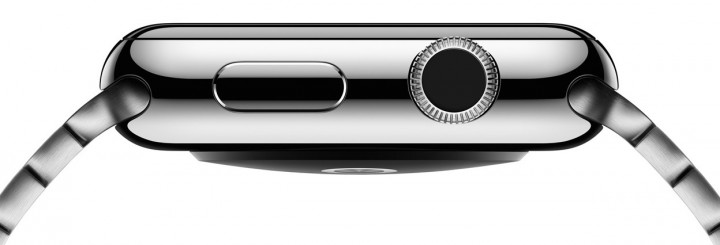
Wearable tech promises to make a lot of the things you wear now more expensive and more power-hungry. Take Apple’s upcoming Apple Watch, for example. The cheapest version will cost US$349 for a device that, at its core, is basically a less-functional smartphone you can strap to your wrist. If you spring for the Sport version it does have some pretty cool extra applications for those of you who exercise frequently, but otherwise you’re basically paying $350 just to save yourself the trouble of having to reach into your pocket (which takes two seconds) to check the time or your latest text.
That’s already a pretty heavy expense for the rather minimal convenience the device offers, but you’ve also got to consider that the Apple Watch is now yet another device you’ve got to remember to plug in and charge every night. Forget, and it quickly becomes a very expensive little brick.





Stay updated on the go with our mobile app.
Get latest insights with smoother, more personalized experience through TIA mobile app.