C. Custer · · 2 min read
WeChat launched a bullshit detector chatbot, but don’t ask it about politics

Original photo by Marchin Wichary.
The best thing about this age of social media we live in is also the worst thing: news spreads fast. That’s great when it’s accurate, but as anyone who’s ever been on the internet knows, that isn’t always the case. As the saying goes: a lie can travel halfway around the world while the truth is still putting on its shoes.
On Tuesday, Tencent announced an interesting new tool: an automated chatbot that acts like a bullshit detector. If you see some news online that looks sketchy, all you have to do is copy-paste it and send it to a WeChat public account called “Rumor Filter” (谣言过滤器). You can also describe the rumor to the bot rather than just copy-pasting it verbatim. The account will message you back instantly with the truth.
For example, if you message the bot about a rumor that crayfish are actually insects and foreigners never eat them – apparently this one has been going around – it will message you back with the truth. (In case you’re wondering, crayfish are crustaceans, although they are related to insects in the sense that both are anthropods, and many cultures around the world eat them). The bot is constantly gathering new rumors from WeChat to add to its database, but the responses to these rumors are being added manually by the WeChat team, at least for now.
A new propaganda tool?
Of course, in China, “truth” can be a relative concept. Over the years, authorities have often used “rumors” as an excuse to crack down on political speech and accurate news items the government doesn’t want spread.
If the bot becomes popular enough, Chinese authorities might want to co-opt it.
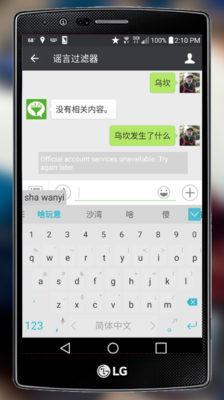
When I tried it out, “Rumor Filter” was happy to tell me the truth about crayfish. But when I asked about what was happening in the southern village of Wukan (which is protesting what they perceive to be a forced confession from one of their village leaders), it told me there was no related content. I asked a couple of other political-rumor-related questions – “Is the NYT report on Wen Jiabao’s family fortune true?” – and got the same lack-of-response.
That’s about par for the course in China, of course, and it would be silly for Tencent to have programmed the bot to do anything other than dodge political questions. But one wonders whether, if the bot becomes popular enough, Chinese authorities might want to co-opt it to push their own agenda when users ask it about political or social problems.





Stay updated on the go with our mobile app.
Get latest insights with smoother, more personalized experience through TIA mobile app.