 Osman Husain · · 4 min read
Collaboration with Israel will boost Japan’s innovation mojo, says VC firm
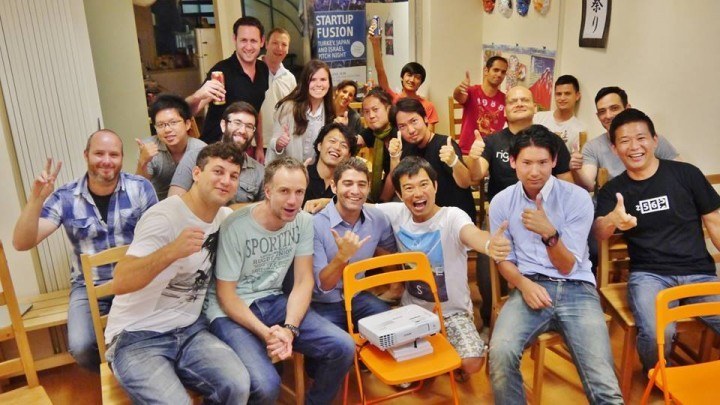
When we talk about startup activity in Southeast and East Asia, countries that readily come to mind are Singapore, Malaysia, and Indonesia. While Japan is a large economy, its startups aren’t performing on par with their regional counterparts.
“Japan is struggling because of its culture,” says Yony Golan, head of operations at Samurai Incubate. “There are many reasons for this, but the fact is they are behind other Asian countries. They need to catch up as in a few years they won’t have cutting-edge innovation.”
Earlier this year, Japan-headquartered VC firm Samurai Incubate announced the launch of its fifth fund, focusing exclusively on building a presence in Israel. Yony explains the firm’s decision to entrench itself in the Israeli ecosystem is to assist “Japanese companies and conglomerates with finding innovation.”
Samurai Incubate’s presence in Israel comes in the wake of deepening economic ties between the two countries. Trade between Israel and Japan expanded last year by almost 10 percent, reaching a total of US$1.75 billion. Several bilateral agreements were signed to increase cooperation in the fields of research, tourism, and security. [Japanese] Prime Minister Shinzo Abe also visited the country, marking the first trip by a serving head of state since 2008.
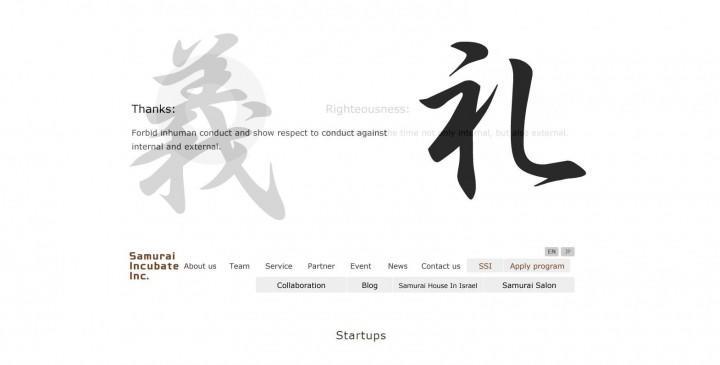
Yony explains that their presence in Israel revolves around three activities. The first one is to find companies to invest in at the pre-seed and seed stages, with a target of 100 portfolio companies in three years. The second is managing their co-working space, located in Tel Aviv, and which houses all the startups they’ve invested in. Finally, the third activity, which Yony describes as a “dojo”, is to host events and meetups modeled loosely on Google Campus.
The purpose of such community meetups is to educate Israeli entrepreneurs about opportunities in Asia. “We make them understand Asia is not America or Europe. If you want to do business with Japanese people, you have to understand their culture and traditions,” says Yolan. Already, within a year of operations, Samurai Incubate has hosted 54 official events.
What’s so unique?

Yony Golan
The majority of seed and pre-seed investment in Israeli startups is done by angel investors. VCs are reluctant to participate and rarely do. Yony explains it is this dynamic which makes them different from the competition. Despite Israel possessing a mature startup ecosystem, there’s still enough opportunity and growth.
Samurai Incubate takes its induction process very seriously also. It’s concerned more with the suitability of the founding team rather than the idea itself. Each ‘application’ to be part of its program is based around a forty-question-long questionnaire which assesses the applicant’s values. “We’re looking for creativity, flexibility, and social intelligence as we offer them something no one else does – the opportunity to enter Japan. We invest in teams.”
So far, Samurai Incubate has invested in sixteen startups from Israel. They are:





Stay updated on the go with our mobile app.
Get latest insights with smoother, more personalized experience through TIA mobile app.









📅 Upcoming Events
22 October 2026
Payoneer x CSPN Summit 2026