- Premium Content It takes our newsroom weeks - if not months - to investigate and produce stories for our premium content. You can’t find them anywhere else.
 Glenn Kaonang · · 6 min read
BYD tops Hyundai in Indonesia’s EV race, but the fight isn’t over
After launching its Ioniq 5 model in 2022, Hyundai quickly became Indonesia’s EV king, selling over 7,000 units in 2023. But its reign was short-lived.
In 2024, the Korean carmaker sold only 2,800 EVs in the country, according to data from the Association of Indonesia Automotive Industries. That was far behind the 15,000 units of Chinese competitor BYD.
Hyundai had a first-mover advantage in the local EV market and was positioned in the premium segment. But this upper hand was “gradually eroded by the emergence of new Chinese competitors,” Jakarta-based analysts from Fitch Ratings tell Tech in Asia.
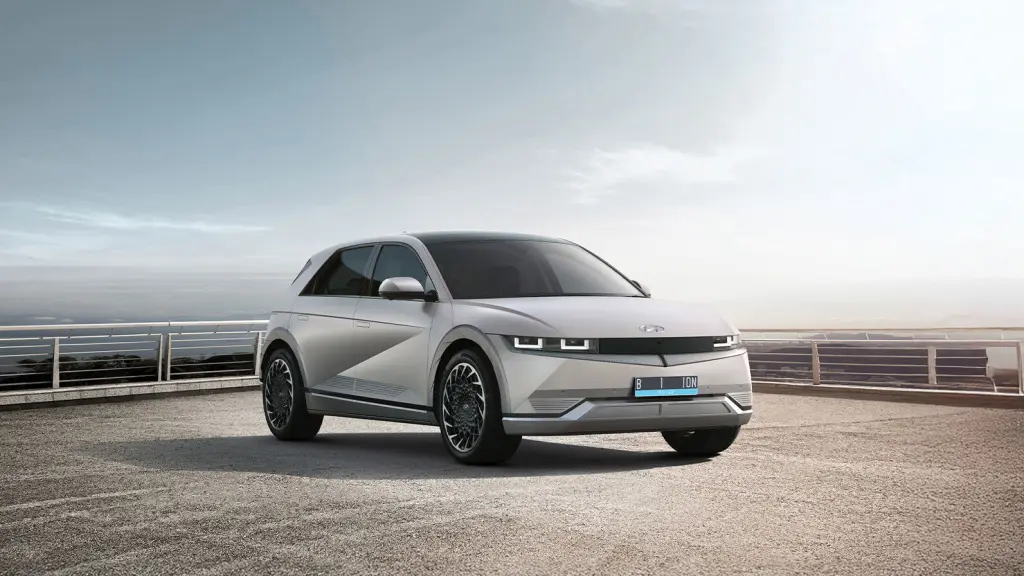
Hyundai Ioniq 5 / Photo credit: Hyundai
By 2024, the Ioniq 5, Hyundai’s top-selling EV, saw its sales drop to about 1,500 units, nearly 5x fewer than the previous year. Meanwhile, BYD has taken charge of Indonesia’s EV space, and other Chinese brands like Geely entered the country in droves, offering comparable vehicles at cheaper prices.
BYD, in particular, has one main advantage in Indonesia: local government incentives designed to boost EV adoption. Even though its cars are currently imported as completely built-up units from China, they are exempt from import duties as long as the company commits to building a factory in the country (which is currently under construction).
Still, it’s not game over for Hyundai, especially since it has big plans to export its made-in-Indonesia vehicles.
Plus, some are bearish on EVs’ long-term viability.
“The EV market alone isn’t sustainable in Indonesia,” says an executive at a major carmaker in the country who requested to remain anonymous. “At some point, pure EV sales will plateau, which is why more automakers – including Chinese brands – are expanding into hybrids.”
Hybrids over EVs
Hyundai’s US$1.5 billion factory in Cikarang, West Java, which has been operational since 2022, positioned the firm as Indonesia’s first major EV manufacturer.
With the exception of the Ioniq 6, all Hyundai’s pure electric offerings for the Indonesian market are assembled locally.
Unlike BYD, though, Hyundai still has a good mix of internal combustion engine (ICE) vehicles and EVs in circulation. In recent months, the Korean carmaker has also added hybrid models to its catalog, which analysts believe can help give Hyundai a competitive advantage in the medium term.
Export battleground
Stay ahead in Asia’s tech landscape
This is premium content. Subscribe to read the full story.
Government incentives have helped BYD’s rapid rise. But Hyundai is betting on more than just EVs.
We know this is not ideal. ⌛ Sign up in 20 seconds. Cancel anytime.
Our subscriber community includes professionals from these companies:





Stay updated on the go with our mobile app.
Get latest insights with smoother, more personalized experience through TIA mobile app.