Kul Bhushan · · 5 min read
This earthquake protection bed could save millions of lives
The planet faces thousands of earthquakes each year. Some of them are lethal enough to cost human lives. With over 300 deaths and more than 1,800 injured, the recent earthquake in Haiti was the deadliest in 2021.
There are various earthquake-resistant technologies and systems, but there’s still a lot that can be done to minimize damage and casualties. One Indian inventor has come up with a unique mechanism that could save lives during an earthquake. The invention is mainly targeted at people living in urban cities in high-rise buildings.
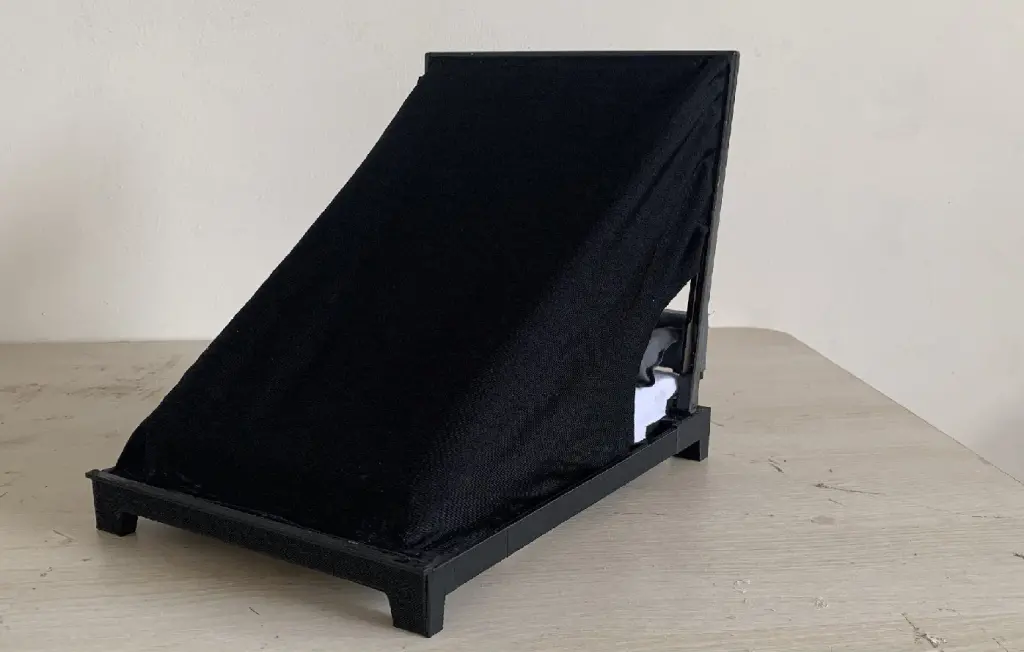
Prototype of the earthquake protection bed/ Photo credit: Proxgy
Pulkit Ahuja, founder and CEO of Proxgy, has filed patents with regulators in India for an earthquake protection bed.
How does it work?
The earthquake protection bed uses an activation trigger from a sensory box that consists of accelerometers, gyro sensors, microcontroller circuits running custom algorithms, and unidirectional tunnel movement sensors to detect the occurrence of an earthquake within a fraction of a second.
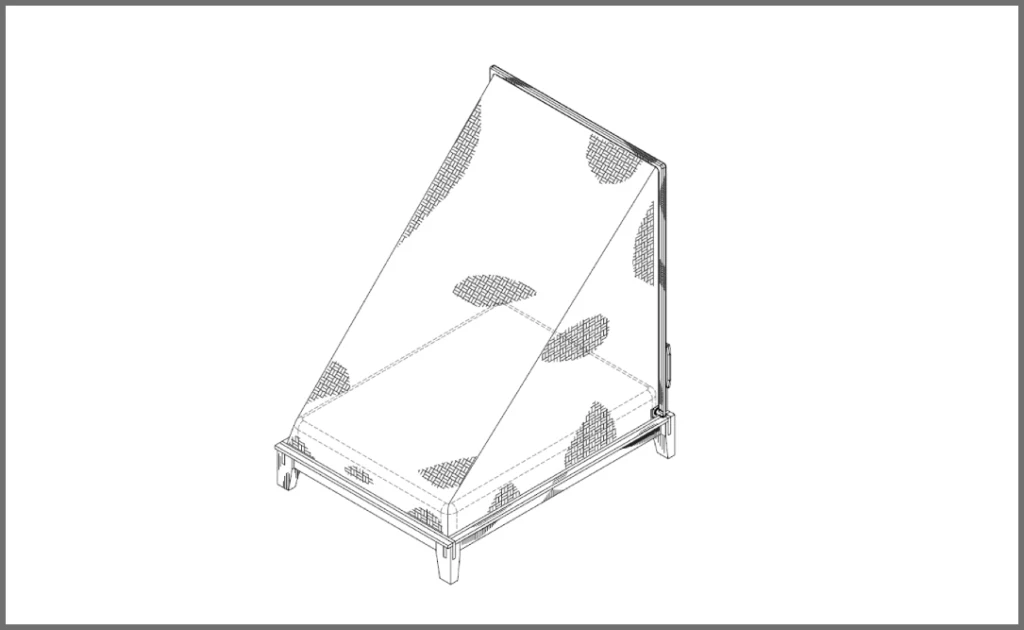
Once an earthquake is detected, the mechanism, which consists of a pair of anti-synchronized motors, is activated and automatically encloses the bed with a reinforced slant canopy. This allows falling debris – which could otherwise cause damage or death – to simply slide off.
The slant canopy, made of Kevlar reinforced with carbon fiber, is attached to the bed’s periphery on one end and enclosed by a telescopic frame linked to the motors on the other. The earthquake detection sensors that trigger the protection mechanism can either be placed on the bed or synced wirelessly with the motors.
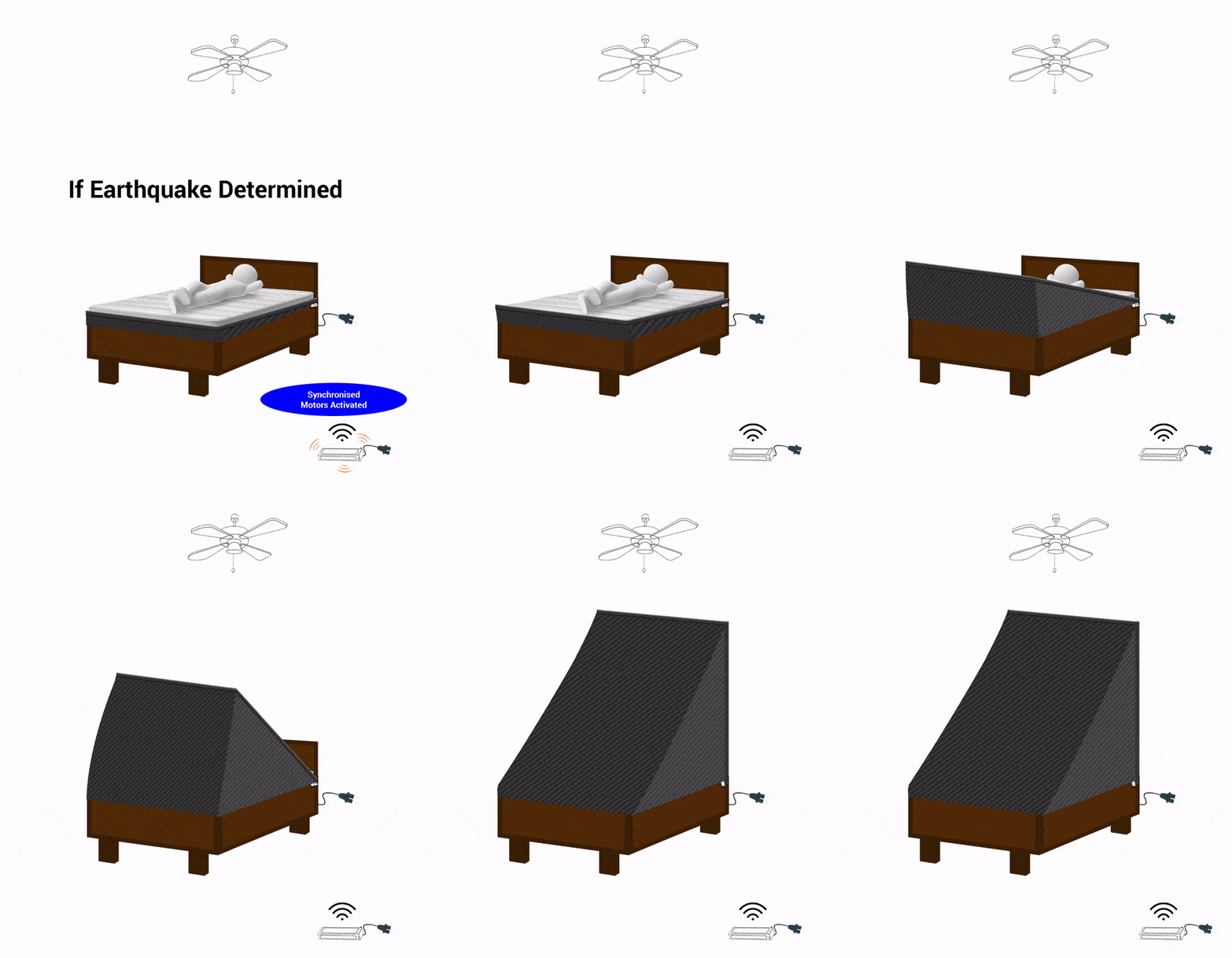
Photo credit: Proxgy
If placed on top of a cupboard near the bed, for example, the sensors become much more energy-efficient, as they don’t have to process and discard false positives such as movements when people use the bed, Ahuja told Tech in Asia.
The slanted design makes sure debris does not accumulate on top of the structure. Once the earthquake is over, the canopy can be tucked back around the bed to be used again in the future.
According to Ahuja, the fabric has been tested with 100 metric tons of falling debris from up to 10 meters high. That said, the canopy fabric is still a work in progress.





Stay updated on the go with our mobile app.
Get latest insights with smoother, more personalized experience through TIA mobile app.