
A taxi seen in Singapore. Photo credit: Richard Pluck.
Easytaxi has left the building. In fact, it’s left the entire continent.
Rocket Internet’s global cab-hailing startup today confirmed that it’s quitting Asia. Paul Malicki, Easytaxi’s CMO, disclosed the move to TechCrunch via email.
Rocket Internet’s surrender with Easytaxi is a victory of sorts for Grabtaxi and Ola.
The departure is no surprise. It comes just over a year after Easytaxi quit Hong Kong, Indonesia, and India. It pulled out of Taiwan a short time later.
Out of gas
It’s now shuttering all remaining countries where it operates, namely Singapore, South Korea, Thailand, Vietnam, and the Phillipines.
Despite backing from Rocket Internet, Easytaxi was out-funded and outpaced by Uber as well as homegrown Asian transportation startups like Southeast Asia’s Grabtaxi and India’s Ola.
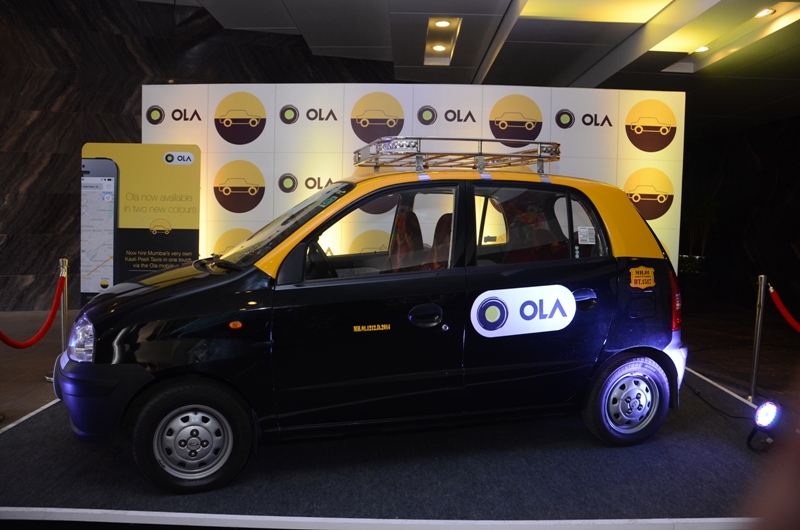
An Ola-branded taxi in India.
Easytaxi was also hampered by focusing solely on registered cabbies, meaning that it missed out on the fast-growing trend of ordinary people making money from their cars by taking passengers – like UberX. Easytaxi doesn’t have a fancier service comparable to UberBlack either.
“Easytaxi is now focusing on Latin America — a region with significantly higher GMV and more favorable regulatory environment,” Paul explained to the tech blog. GMV is a count of consumer spending.
Rocket Internet’s surrender with Easytaxi is a victory of sorts for Grabtaxi and Ola.
A Grabtaxi spokesperson attributes the startup’s ability to grow to understanding local issues. “It’s as simple as us living in the cities where we operate. We grew up here, understand the nuances of local communities, and our engineering and operational resources are focused on solving them. This helps shape the way we approach our plans and it is no coincidence that the leading ride-hailing companies in Southeast Asia, China, and India are all local companies.”
She gives an example of Grabtaxi’s “hyperlocal strategy” in Vietnam. We “are able to leverage this local knowledge to build a viable business model that suits each community. This applies even to cities within the same country. For example, people in Ho Chi Minh and Hanoi speak different variants of Vietnamese, and the Grabtaxi app displays different languages for both cities.” (Updated three days after publishing: Added in quotes from Grabtaxi.)





Stay updated on the go with our mobile app.
Get latest insights with smoother, more personalized experience through TIA mobile app.









📅 Upcoming Events
22 October 2026
Payoneer x CSPN Summit 2026