- Premium Content It takes our newsroom weeks - if not months - to investigate and produce stories for our premium content. You can’t find them anywhere else.
 Putra Muskita · · 10 min read
Why Kopi Kenangan leads Indonesia’s VC-backed coffee wars
A couple of years into Indonesia’s coffee wars, and one company appears to have separated itself from the pack.
Kopi Kenangan’s recent series B round, which was led by Sequoia Capital, brings its total disclosed funding to US$137 million. That’s miles ahead of Fore Coffee, its fellow venture-backed competitor, which has raised US$9.5 million to date. Kopi Kenangan expects to operate 500 stores by the end of the year, with an eye on international expansion post-pandemic.
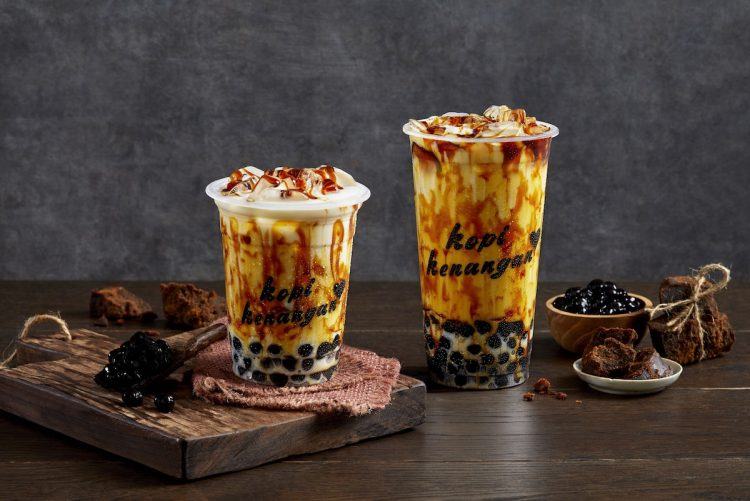
Photo credit: Kopi Kenangan
There are several factors behind Kopi Kenangan’s seemingly quick rise to the top. It sells affordable beverages geared towards the mass market and has solid economics, especially when it comes to rent. And unlike many new tech ventures, it’s based on a model that’s proven to be profitable.
But will that growth last? The consumer food and beverage (F&B) business can be fickle, and it’s a competitive space: Many other players are competing for the same demographic, which indicates how low the barriers to entry are. Things might also change once the company leaves the hypergrowth stage.
Rent is a crucial factor
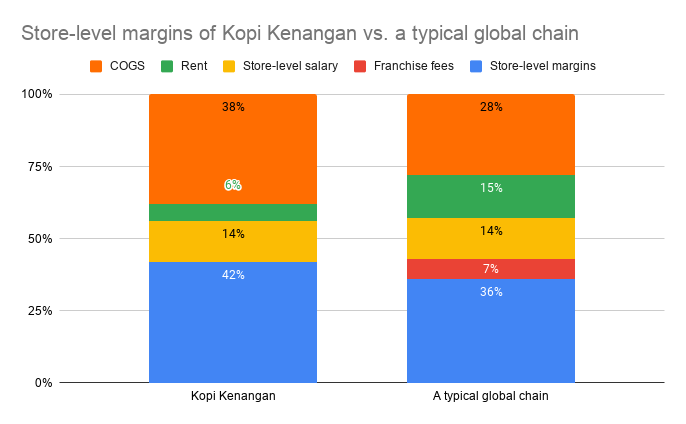
Data from Kopi Kenangan
Based on financial data provided by Kopi Kenangan, the company’s profit margins at the store level is from 34% to 42% compared to 33% to 36% for a typical global coffee chain.
Kopi Kenangan hit these numbers even if its cost of goods sold is higher, as it aims to provide quality beverages at lower prices. In comparison, many global chains in Indonesia operate on a franchise model, where the parent company licenses its brand and other assets to franchisees in exchange for a fee (generally around 7% to 10% of revenue).
Franchising is popular among F&B brands seeking to expand quickly, but having ample venture capital funding lets Kopi Kenangan bypass this method. CEO Edward Tirtanata says the company currently has no plans to adopt the model.
On the other hand, established global chains also offer food and merchandise, which help beef up the bottom line. Kopi Kenangan is planning to go into food – primarily grab-and-go snacks like bread or desserts – and already started selling merchandise like t-shirts and coffee tumblers.
“If you compare us to legacy brands, the missing revenue mix is actually the food, and hopefully we can bridge that gap with incumbent brands by introducing snacks,” Tirtanata says. “It can create double-digit sales growth.”
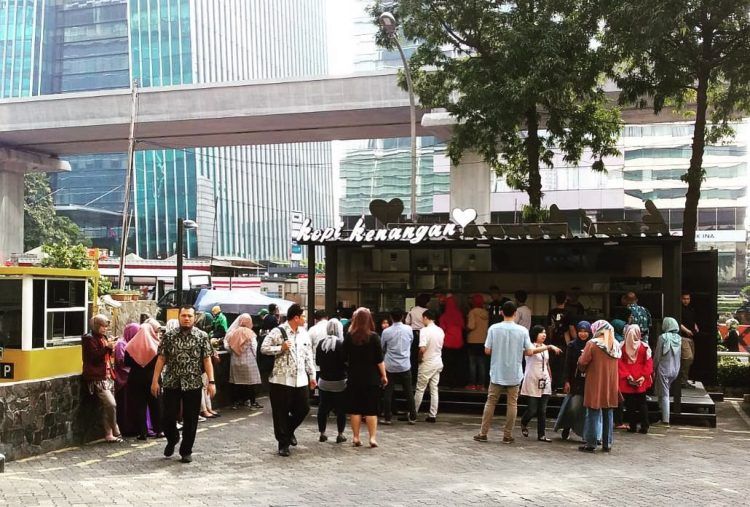
A Kopi Kenangan outlet in Jakarta / Photo credit: Kopi Kenangan
Pricing and market positioning
Can this last?
Stay ahead in Asia’s tech landscape
This is premium content. Subscribe to read the full story.
Kopi Kenangan is no Luckin Coffee. But the consumer F&B business can be fickle, and things might change once the company leaves the hypergrowth stage.
We know this is not ideal. ⌛ Sign up in 20 seconds. Cancel anytime.
Our subscriber community includes professionals from these companies:





Stay updated on the go with our mobile app.
Get latest insights with smoother, more personalized experience through TIA mobile app.