Harsimran Julka · · 6 min read
Why getting a divorce is easier in India than shutting down a startup
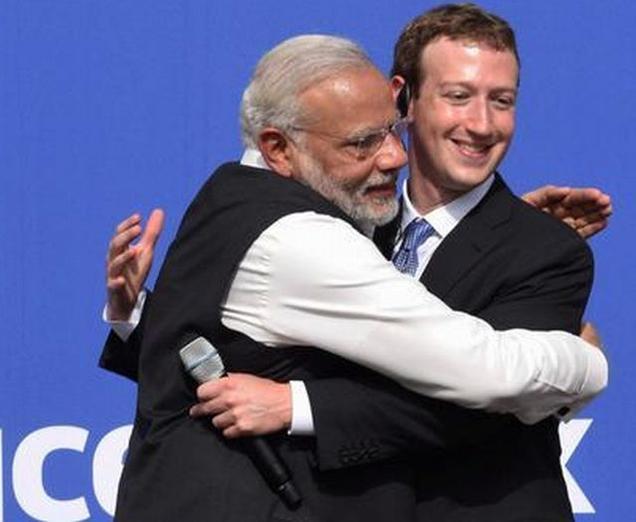
Indian PM Narendra Modi with Facebook CEO Mark Zuckerberg in California in September, this year. Photo Credit: PTI
India’s prime minister Narendra Modi is expected to release the country’s first Startup Policy on January 16.
However, most new age entrepreneurs in India are more vexed about the ease of shutting down a company in India than the process of starting businesses here.
The running joke amongst Indian entrepreneurs is that it’s easier to get a divorce in the country than to shut down a failed company or get rid of a co-founder.
Shutting down a company may take over 36 to 54 months if there are no objections from stakeholders or creditors. Divorce, without any objection from a spouse, can take six months to a year in India.
Here is why it’s so difficult to move on from a failed venture in India.
Courts have to sanction official liquidation
The government of India lists the following eight steps to wind down a company:
- Issue a written demand for debt payments to the target company.
- Present a winding-up petition to the court and the company.
- Court hearing of the petition. (This step may take years if the company has any employee, vendor, or creditor liabilities or lawsuits against it.)
- Granting of winding-up order by the court.
- Meeting of creditors and other relevant parties.
- Appointment of liquidator.
- Realization and distribution of company’s assets to the creditors.
- Realization of duties for liquidator.
And only after these steps will come the dissolution of the company. Many liquidations take years as the cases stay pending in courts due to inadequate clearances from creditors and stakeholders.
Due to this cumbersome process, many entrepreneurs just continue running companies on paper, filing tax returns, and preparing annual reports every year, even if the company is no longer operational.
Over 36 months to shut shop
It’s a well known fact that over 80 percent of startups in any part of the world end up winding down within three to four years. In India, the rate is as high as 90 percent due to the nascency of its startup ecosystem, where investor ecosystem is not as developed to bear the losses for consecutive years.
In India, two or more directors are required to start a private limited company which can have many shareholders, raise external investments, and ultimately go for an IPO when it becomes a public limited company.
Due to the sheer risk of entrepreneurship, most private limited companies shut down, though on paper they still exist for years in India. Why? Because in India it takes at least three-and-a-half years to dissolve a company and may take more time if even one creditor or stakeholder fails to give a ‘no dues’ certificate or files a lawsuit.

The curious case of vanishing companies in India
What happens to India’s dormant companies?
Huge liquidation charges
Poor rankings in World Bank’s ease of insolvency index
Hurdles before warring co-founders





Stay updated on the go with our mobile app.
Get latest insights with smoother, more personalized experience through TIA mobile app.