 J.T. Quigley · · 4 min read
Post-acquistion, DramaFever has more muscle to spread Asian entertainment to the West
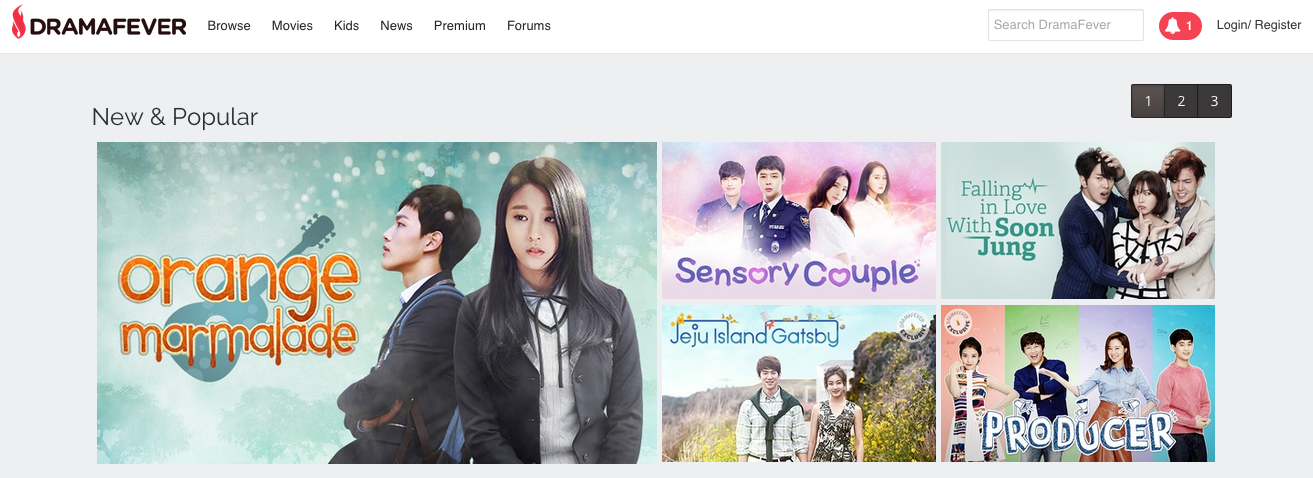
Western television shows and movies are unavoidable across the globe. Studios like FOX and BBC license content to both foreign networks and streaming services, ensuring shows like House and Sherlock reach far beyond the US and UK. Across Asia, movie theaters tend to show more Hollywood offerings than domestic ones. DramaFever’s premise was simple – why not flip this model around and offer Asian content to western viewers?
Founded in 2009, the video streaming platform went on to raise US$12 million in venture capital funding before acquisition. Its premium subscribers hail from North and South America, the UK, Australia, UAE, Saudi Arabia, and Turkey.
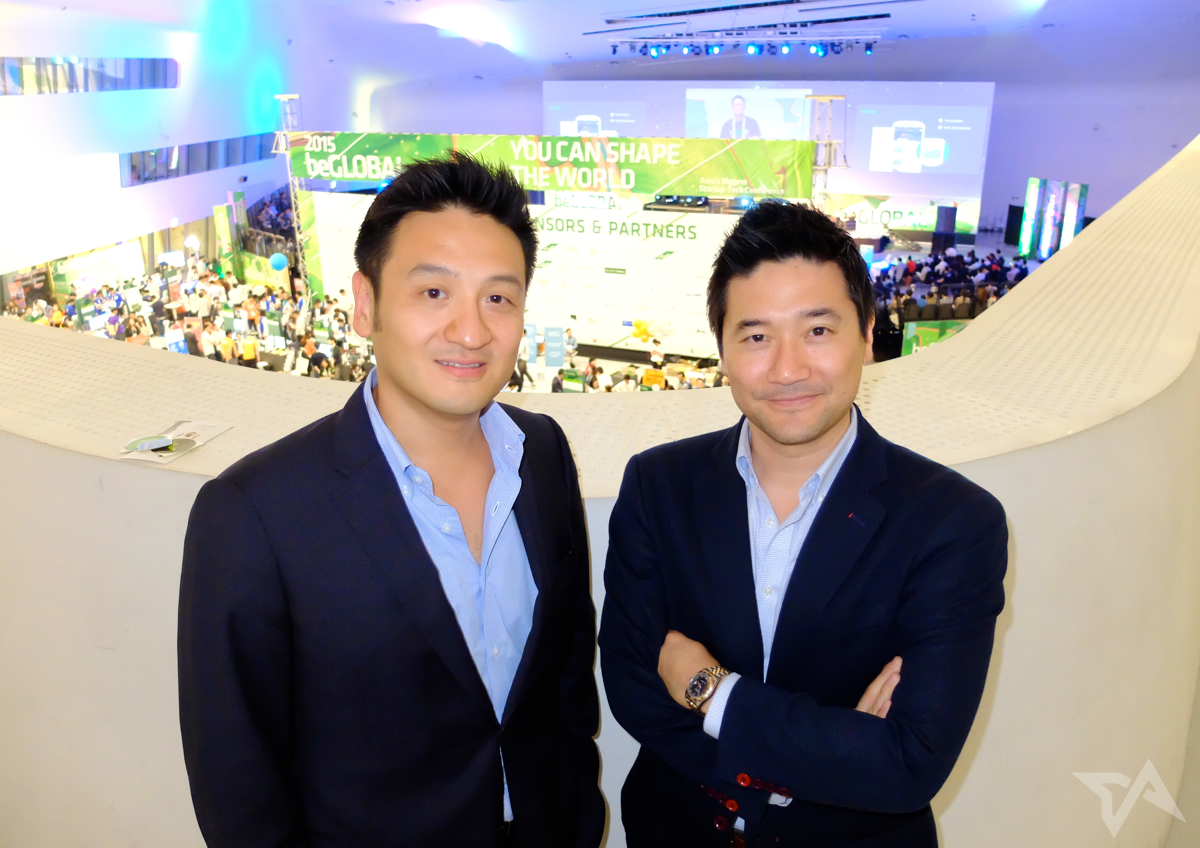
During last week’s beGLOBAL tech and startup conference in Seoul, Tech in Asia sat down with DramaFever CEO Suk Park (pictured above, left) to discuss life after his startup’s acquisition by Japanese telco SoftBank and the secret sauce that led to its muti-million dollar exit.
Rumors have swirled about DramaFever’s purchase price being in the US$80-140 million range, based on the alleged amount that Vimeo owner IAC was willing to pay. While Park would neither confirm nor deny that number, he says “it was an outcome that was good for everyone involved, so now it’s on us to make it work for SoftBank as well. Everyone is really motivated as far as working with [SoftBank].”
DramaFever’s acquisition was the brainchild of Nikesh Arora, vice chairman of SoftBank and the newly-appointed successor to Masayoshi Son. Since coming over from Google, where he worked for over a decade and had most recently served as chief business officer, Arora has been busy investing. His fingerprints are on Softbank’s US$10 billion bet on India as well as American deals like securing a 10 percent stake in The Dark Knight production house Legendary Entertainment for US$250 million.
“Nikesh was looking for a platform, and when he got wind that we might consider an acquisition, he acted very quickly and decisively to approach and close – that’s his MO,” Park says. “We weren’t talking to any Koreans, it was always about being a global company.”
DramaFever is now under the wing of SoftBank’s Internet and Media brand (SIMI), which Arora leads as CEO.
“SIMI has us approach our business in a much more disciplined way. For a lot of the decisions we make, we need to explain them to a lot of smart people. It’s a different phase for DramaFever. Before, it was like the hypothesis has been proven – you can make a business around foreign content in the Americas. But now it’s all about working with SIMI to make something much more impactful.”
“[Decisions] used to be made from the standpoint of a startup with limited funds,” adds Hyun Park, Suk’s younger brother (pictured above, right) and DramaFever’s vice president. “Broadcasters and content providers [used to] wonder what would happen if we were not around next year. Now [SIMI] tells us we need to think bigger, as a much larger enterprise […] with bigger global ambitions.”
Race for content
Though talks have cooled, SoftBank has even expressed interest in acquiring DreamWorks Animation, the studio behind Shrek and Madagascar, last September. The telco isn’t messing around when it comes to securing high-quality digital content, nor is it alone in making big acquisitions to do so. Japanese ecommerce heavyweight Rakuten bought video streaming service Viki for US$200 million back in 2013. Viki sees 35 million monthly active users, while DramaFever attracts roughly 8 million.





Stay updated on the go with our mobile app.
Get latest insights with smoother, more personalized experience through TIA mobile app.










📅 Upcoming Events
22 October 2026
Payoneer x CSPN Summit 2026