Jonathan Chew · · 1 min read
Diving into decentralization: A breakdown of decentralized exchanges (infographic)

One of the easiest ways for users to interact with cryptocurrencies is through an exchange.
They offer a straightforward way to swap one currency for another – in some cases from fiat to crypto – and have been around almost since the beginnings of Bitcoin. The first-ever exchange, Bitcoin Market, was launched in 2010, with centralized and decentralized exchanges quickly popping up shortly after that.
Much has changed in the space since then. Centralized exchanges have become extremely commonplace and governments have introduced a slew of regulations to oversee them. Decentralized exchanges, on the other hand, may not be as popular with everyday traders, but they remain a cornerstone of the industry, helping users get the currencies they need.
Here’s a deep dive into what the landscape of decentralized exchanges looks like today.

Kyber Network’s KyberSwap is a decentralized exchange aggregator that enables users to swap, earn, and participate in DeFi in a seamless manner.
Read more about DeFi on Kyber Network’s website.
This content was produced by Tech in Asia Studios, which connects brands with Asia’s tech community. Learn more about partnering with Tech in Asia Studios.
Stay updated on the go with our mobile app.
Get latest insights with smoother, more personalized experience through TIA mobile app.
Recommended reads
 Binance gets digital assets license from Kazakhstan
 Binance seeks Japanese operating license
 Australia mulls stricter laws for BNPL players
 FTX founder Sam Bankman-Fried arrested in the Bahamas
 Binance CEO: ‘We did not master plan’ FTX’s near-collapse
 SG High Court justice says NFTs can be property
 No interest cap for crypto as it is ‘not money,’ Korean court says
 Singapore police begins probe into Hodlnaut
 FTX owns ID crypto exchange Bitocto, court document shows
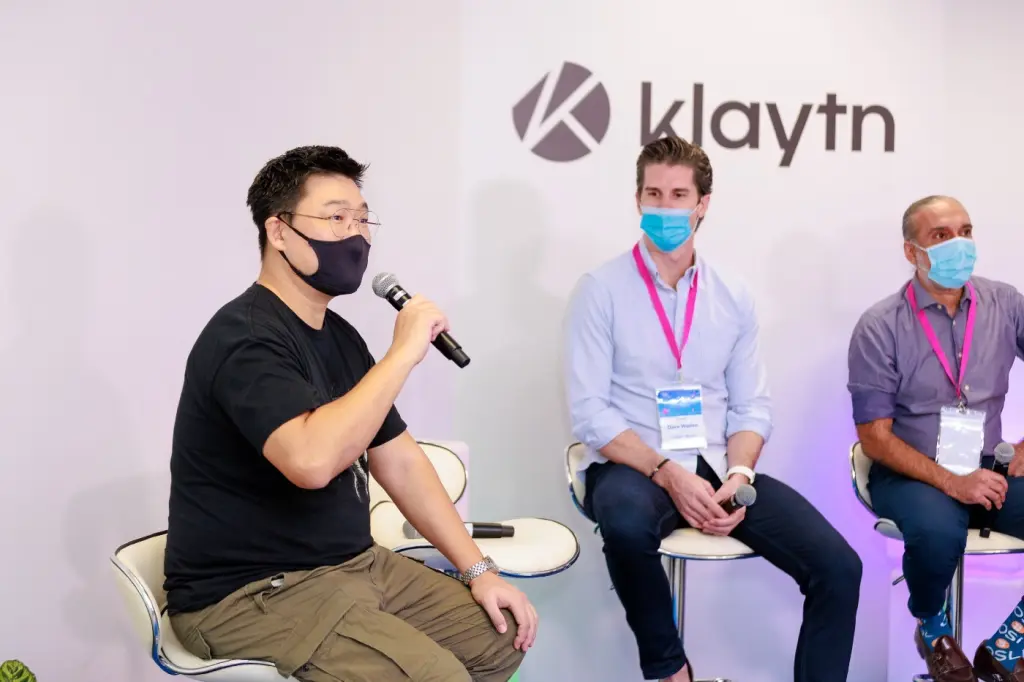 Head of global group at Klaytn Foundation quits





Editing by Nathaniel Fetalvero, Winston Zhang, and Arpit Nayak
(And yes, we’re serious about ethics and transparency. More information here.)