Paul Bischoff · · 4 min read
How one huge Indian corporation plays the long game with an 18-month startup incubator
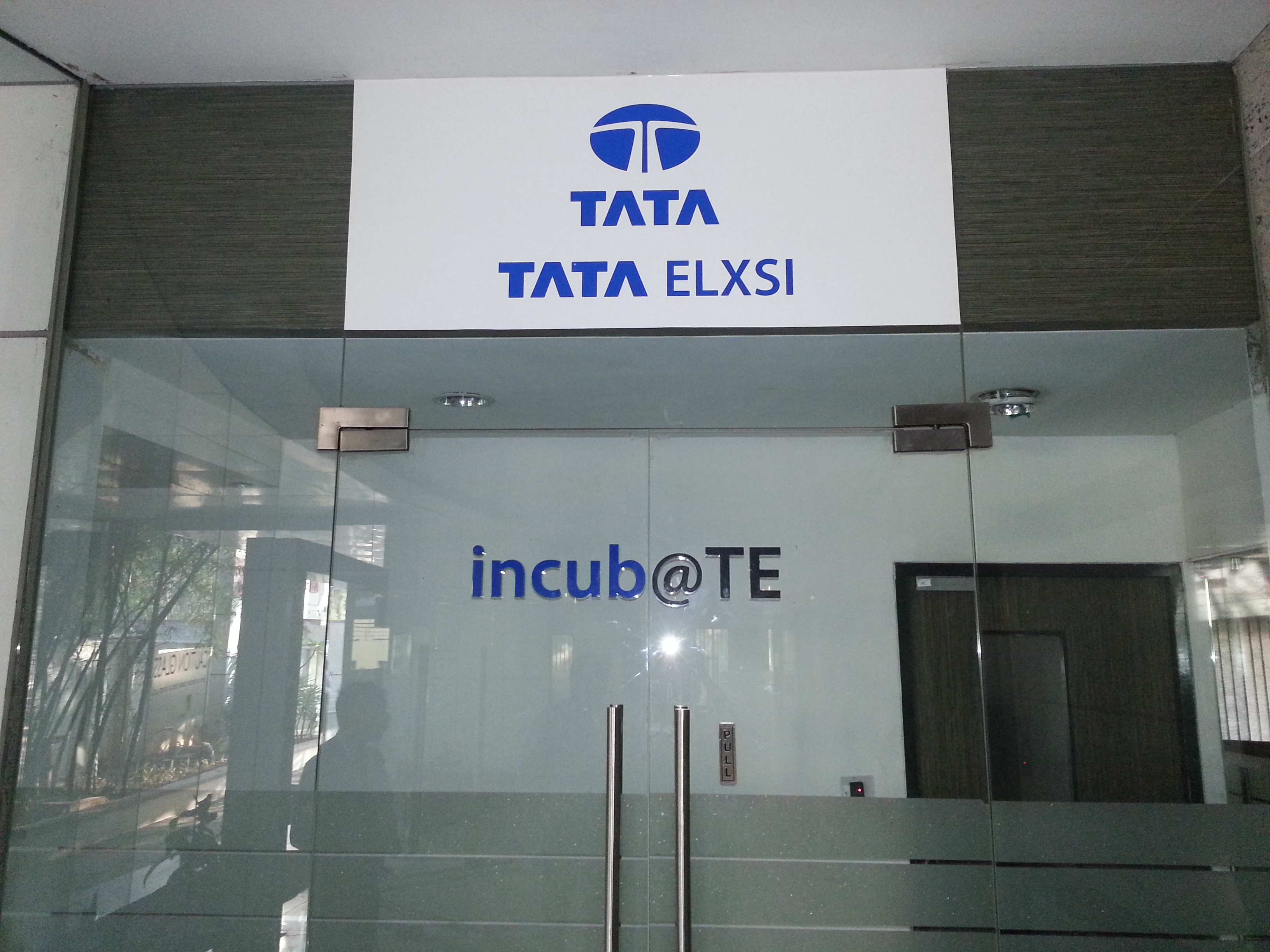
Two years ago, Big V Telecom became the first startup in India to be incubated by Tata Elxsi, a global design firm under the umbrella of the Tata Group corporation. Think of Tata Group as something like the General Electric of India, with a market cap of over US$140 billion and a presence in over 80 countries. It created India’s first technology products startup incubator in the corporate sector, with an emphasis on products. Since then, Tata Elxsi has taken more startups under its wing as part of the Incub@te program, for a grand total of three.
Yes, just three. In two years.
To those familiar with startup incubators, that might sound a bit, well, unproductive. The typical accelerator or incubator program lasts three to six months – six months being on the long end. They take on average about 10 startups per batch. But Incub@te is decidedly atypical.
Tata Elxsi has no fixed application window and takes in startups that it finds worthy as they crop up for a period of 18 months. "The reason behind going for 18 months or so is because we are going to incubate companies who are working in the core technology space," says Rajesh Kumar, VP of strategic initiatives at Tata Elxsi. He explains that when it comes to working on medical electronics, internet of things, embedded systems, cloud telephony, and other core technologies, six months just isn’t long enough to experiment.

"The pace at which we try to force the startup to move itself becomes a cause for its demise," Kumar says. "Our 18 months is planned keeping in mind that we should be in a position to give the startup an opportunity to work through two or three versions of product and two or three versions of business model."
As a result, Incub@te has very few startups. The method is risky, Kumar admits, because a year-and-a-half is a lot of time to invest in so few startups that, statistically speaking, will probably fail. However, these types of startups have much less competition than their counterparts in sectors like social and ecommerce, and they don’t usually operate in zero sum winner-takes-all industries. Tata Elxsi wants to build the foundational technologies for tomorrow’s startups, and isn’t interested in making a quick buck.
Incub@te startups
Big V Telecom, for instance, is building cloud telephony solutions to be used by businesses and consumers. The underlying technology is similar to what Skype and Viber use to make voice calls possible over the internet, but applying it to call centers and customer service departments.
Sismatik, a current incubee, works in a similar fashion. Upon first glance at its website, you might not be able to pinpoint exactly what it does. But it’s creating the backbone for delivering video content on smart TVs, be it video, games, podcasts, or music. An end user will probably never know that he or she is using Sismatik’s tech, but it’s present nonetheless.
The purpose of Street Smart, the other startup currently in Incub@te, is more immediately apparent. It makes a shopping app that uses location and push notifications to alert the user to discounts, loyalty programs, and special offers at brick-and-mortar retail stores and malls. The app prevents these retailers from accessing the user’s phone number and spamming them with irrelevant offers. While the app is all well and good, its real value lies in the emerging tech that brands and merchants use to communicate with shoppers via mobile device.
Playing the long game
Tata Elxsi has been around for 25 years and has worked with major technology companies the world over, as well as startups from Silicon Valley. So why is it interested in local Indian startups like these?





Stay updated on the go with our mobile app.
Get latest insights with smoother, more personalized experience through TIA mobile app.