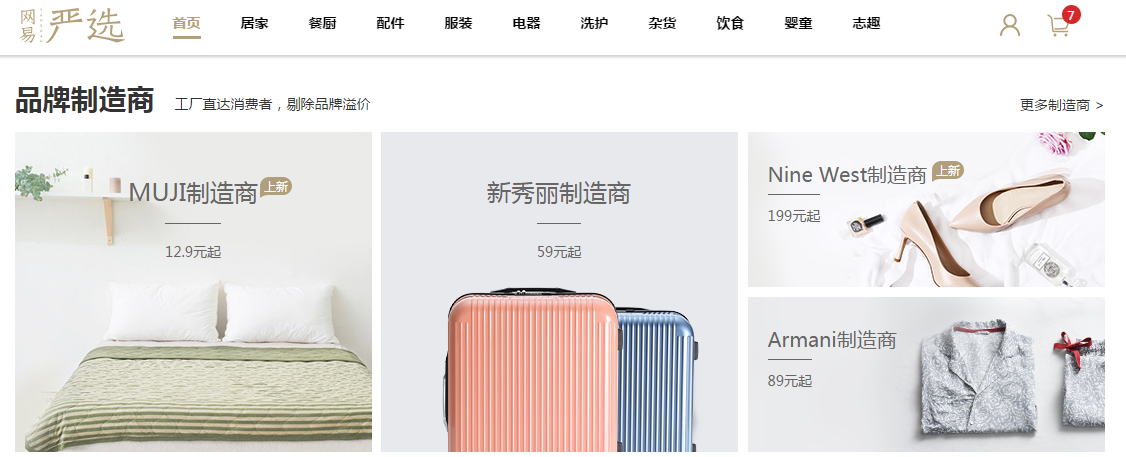
Screenshot of Yanxuan website.
Disclosure: Dannie Li is a writer at China Tech Insights, an arm under Tencent.
At first sight, the products sold by the fast-rising Chinese ecommerce player Yanxuan look much like the Japanese brand Muji. What they have in common are style and aesthetics, with the ultimate goal of initiating a lifestyle and communicating certain values through their products.
However, the NetEase-owned Yanxuan built its success through a totally different road from Muji, or even Taobao and JD.com, and it has steadily become a prominent representative of the industry. Once buckling under the stagnant growth rate of China’s ecommerce industry, the company’s GMV has rapidly soared ever since its beta version was launched in 2015. China Tech Insights did a case study of Yanxuan and looked into the new trend of China’s ecommerce sector after its successes.
Introducing Yanxuan and why it caught our eye
A self-run ecommerce brand, Yanxuan resembles Amazon’s house brand Amazon Basics rather than a platform for merchants and brands like Alibaba’s C2C ecommerce platform Taobao or its B2C platform Tmall. With its slogan of “a better life doesn’t have to be costly,” Yanxuan is dedicated to help young city dwellers build a more affordable yet quality life by providing a selection of basic products for their daily lives. Its products are limited to nine main categories, ranging from household appliances to basic apparel items, with SKUs controlled at around 7,000 items, according to Chinese media reports.
Yanxuan boasts an ODM (original design manufacturer) model: it partners with big manufacturers in China, especially those that work with global brands, to design and manufacture products before selling them direct to consumers. The company claims that in this way, it can produce quality goods at lower costs by eliminating the brand premium and cutting distributor and retailer markups, among other things. For instance, a manufacturer claimed to be a Muji contractor produces slippers that Yanxuan sells at US$4.43 a pair; a similar pair on Muji’s official Tmall store is sold at US$13.59, while another sold by a random Taobao shop is sold at US$5.96.
Yanxuan has quickly gained traction after its launch, becoming a sudden hit among many Chinese consumers. First, let’s have a direct look at the search index chart (Fig. 1) of “Yanxuan” from Baidu’s Index. The first high point of searches came in November, when the yearly online shopping Carnival Double 11 was launched, and the curve steadily increased all the way into 2017.
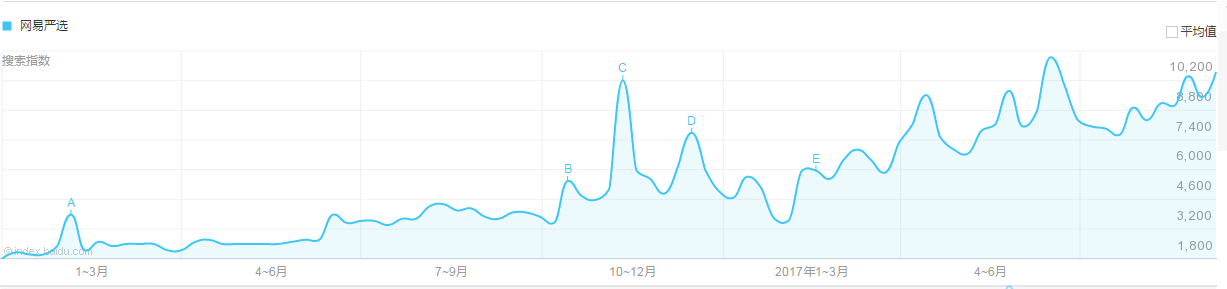
Fig. 1
Secondly, let’s take a look at its GMV statistics (Fig. 2). Yanxuan disclosed that, as of Q3 2016, its monthly average GMV reached approximately US$9.2 million, which, according to an August report by news site QDaily, ranked it around 10th domestically. However, its growth rate tripled that of the industry average, which has steadied at around 20 percent (in terms of transaction volume) in three consecutive years. In Q2 2017, NetEase posted a US$511 million revenue from its email, ecommerce, and other businesses, meaning a 68.9 percent year-over-year growth that was largely contributed by Yanxuan.
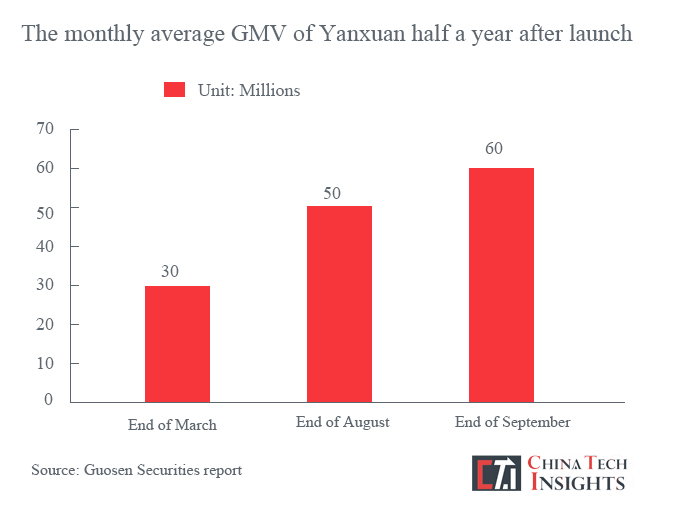
Fig. 2
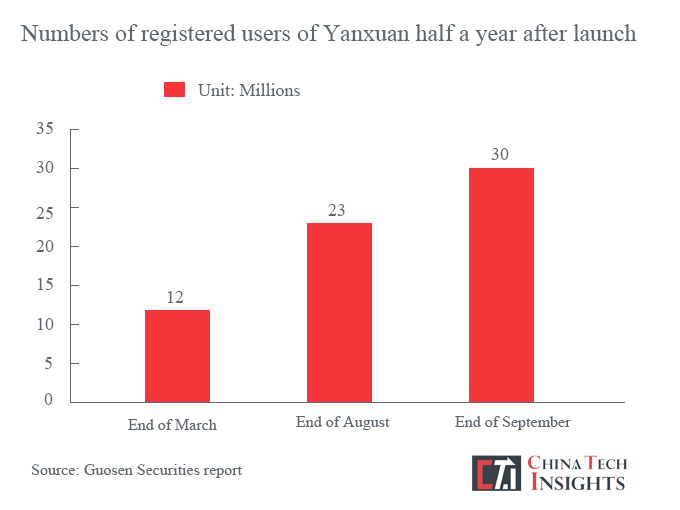
According to NetEase’s 2016 Q3 financial results (Fig. 3), Yanxuan had gained 30 million registered users by the end of September, which was still within half a year after its launch.
How will Yanxuan’s business model serve and provide premium goods at low cost?





Stay updated on the go with our mobile app.
Get latest insights with smoother, more personalized experience through TIA mobile app.












📅 Upcoming Events
22 October 2026
Payoneer x CSPN Summit 2026