 J.T. Quigley · · 4 min read
$8m looks good on you. Japanese fashion box startup AirCloset raises series B funding
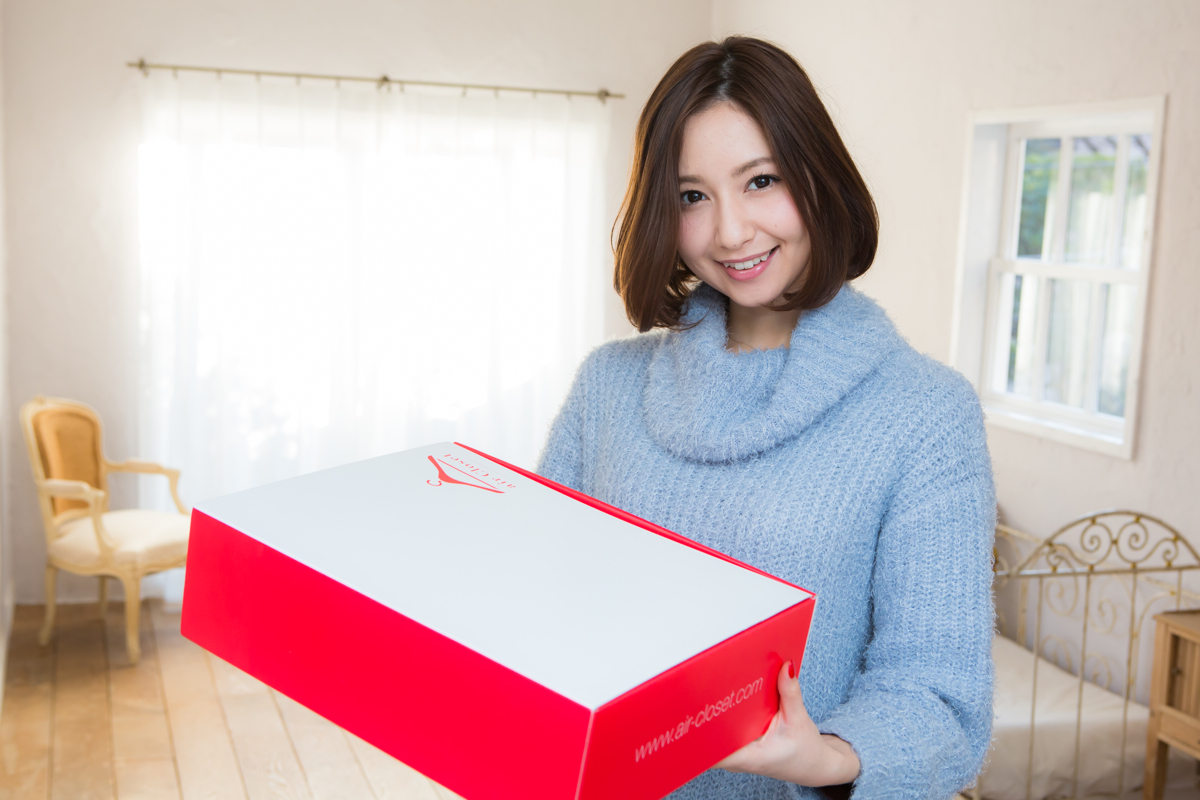
Subscription boxes have proven to be a risky business model in Asia, generating a laundry list of pivots to more traditional ecommerce and failures. But in Japan, one such startup is so popular that there’s a waiting list for subscribers – nearly a year since sign-ups opened. AirCloset, founded in July 2014, is bringing the subscription box back in style – and it has raised “just under” JPY 1 billion (US$8.4 million) to do so.
AirCloset specializes in women’s clothing from boutique Japanese fashion brands.
The startup’s series B round, announced yesterday, was led by domestic venture capital firm JAFCO. Warehousing provider Terrada, an existing logistics partner, also joined the investment – as did White Kyubin, one of Japan’s leading dry cleaning chains. White Kyubin also signed on as a very relevant logistics partner (you’ll see why in a moment). A final contributor was Credit Saison, among the country’s top credit card issuers.
AirCloset specializes in women’s clothing from boutique Japanese fashion brands. It ships three garments a month to subscribers – generally a combination of tops, bottoms, and dresses that can be worn together – for JPY 6,800 (US$57). It caters to young professionals and working mothers who have little free time to shop or discover new fashion labels.
The clothing can be swapped out or worn as much as the subscriber likes, as long as they continue paying the monthly fee, which includes shipping and dry cleaning fees. Because the clothing is recycled, must-have items can be purchased at a price point lower than retail.
“We’re going to use [the investment] to expand our clothing stock and hire new team members,” Satoshi Amanuma, AirCloset founder and CEO, tells Tech in Asia. “We’re also going to expand our fashion categories – currently ladies only – to include maternity, kid’s, men’s, and senior fashion. We’ll also add accessory items to generate even more brand discovery.”
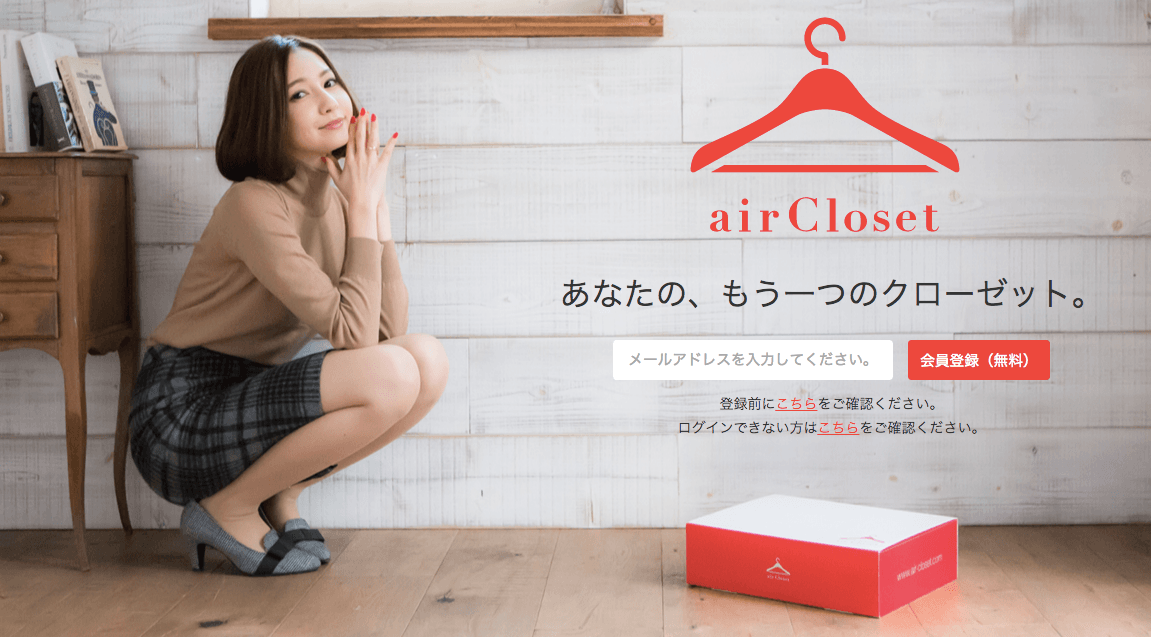
Emphasizing discovery
The investment is sizable in the context of the Japanese startup ecosystem, and signals that JAFCO and the other investors are confident that AirCloset’s business model will succeed where others have sputtered out. Amanuma explains how his venture will buck the trend:
“[Subscription boxes] are still struggling to grow, but we believe that our service is unique by focusing strongly on the discovery aspect,” he says. “We work closely with our professional stylists to ensure items are tailored to individual subscribers’ tastes.”
If a subscriber doesn’t like the color purple, for example, they can indicate their preference not to receive anything purple.
With all the shipping and cleaning, it might be hard to imagine that the startup is capable of turning a profit. But the option to buy is something Amanuma and his team hopes users will embrace. There’s also a lot of data to be gleaned from subscribers’ brand, color, and fit preferences, which AirCloset can sell back to its partner retailers.
Securing local partners in target markets will be the key ingredient to successful scalability.





Stay updated on the go with our mobile app.
Get latest insights with smoother, more personalized experience through TIA mobile app.









