Peggy Sito · · 2 min read
Visitors to China can now use Alipay without a Chinese bank account
Without a Chinese bank account and a local mobile phone line, foreigners have found it difficult – if not impossible – to find any smartphone app to pay for online purchases in China. That hurdle will now be removed under a pioneering effort by Alipay.
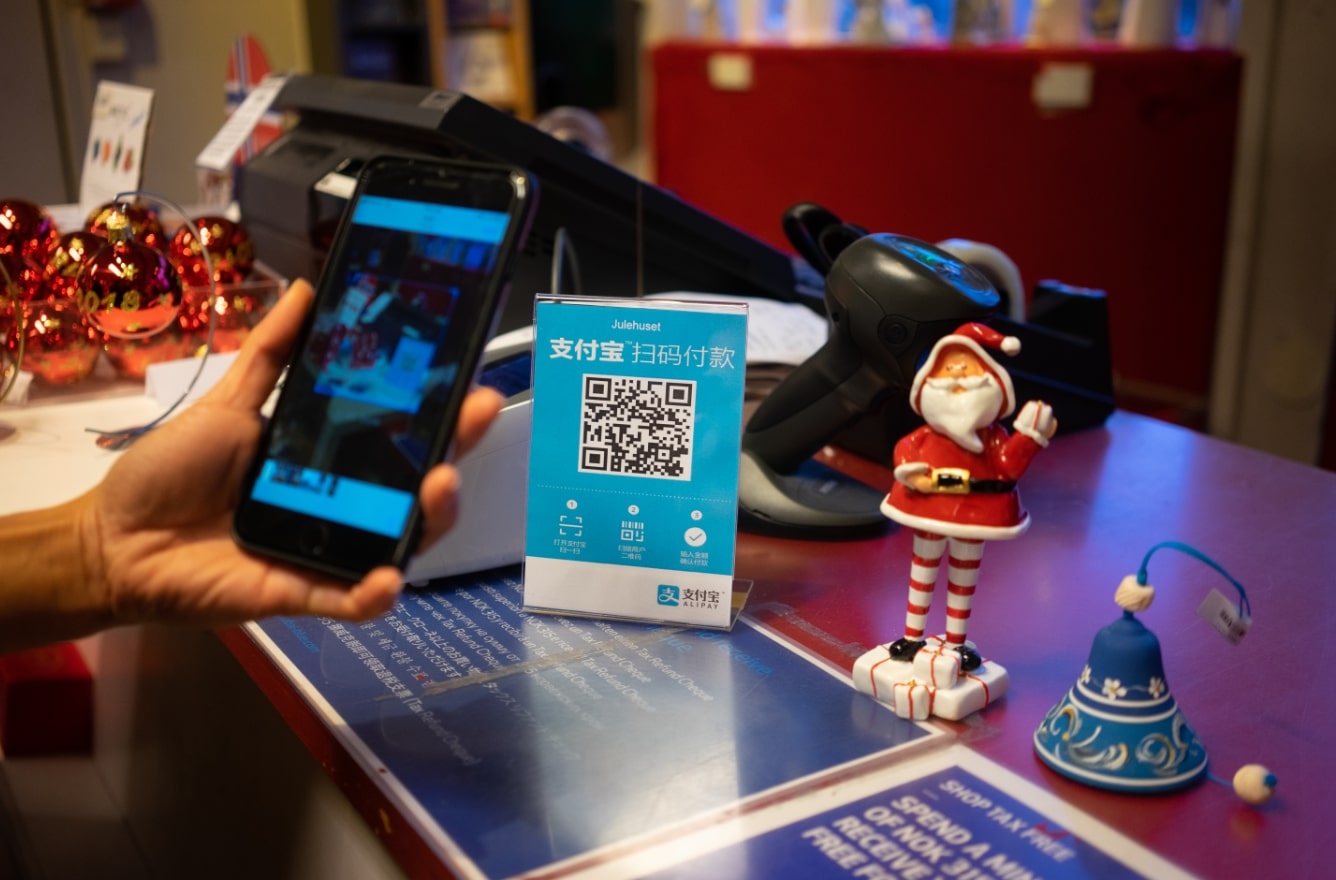
Photo credit: Ant Financial
Ant Financial Services Group, which operates one of China’s two dominant e-payment platforms, will give foreign visitors to the mainland access to its mobile payment platform from Tuesday, according to a statement. It will allow visitors up to 90 days’ usage of its smartphone application without requiring a local bank account or mobile phone number, it added.
Ant Financial is an associate of Alibaba Group Holding, the owner of the South China Morning Post.
Under the program called Tour Pass, the company will introduce an international version of its Alipay app for download and registration using international phone numbers. The app will enable visitors to pay for their transactions using a 90-day prepaid card from the Bank of Shanghai.
The move will open the door for Ant Financial to extend its dominance in the home market and tap into growing tourism in the world’s second-largest economy. China received 30.5 million of foreign visitors in 2018, an increase of 4.7% from the previous year. They spent about US$73.1 billion in lodging, food, and shopping, among others, Ant Financial estimates.
The international version of the Alipay app is not available for Hong Kong and Macau mobile phone users, Ant Financial said. There is a mobile payment solution called Alipay HK for Hong Kong users, which is different from the mainland version.
To gain access to China’s mobile payment services, Hong Kong residents can open a Chinese bank account through Bank of China (Hong Kong), one of the city’s three currency issuers, without having to do so onshore.
Ant Financial said the 90-day prepaid card can be reloaded using international debit or credit cards. The minimum top-up is 100 yuan, with the balance capped at 2,000 yuan. Users can top up “multiple times,” and Alipay has set an undisclosed but “reasonable” ceiling, it said.
Alipay competes with Tencent Holdings’ WeChat Pay for dominance in China’s cashless economy. Both operators have more than 90% penetration rate among internet users, according to a 2018 report on China’s third-party mobile payments market by research firm Ipsos. Alipay, together with its local e-wallet partners across Asia, serves more than 1.2 billion users on its platform, according to its statement.
Visit SCMP.com for the latest China tech news.
Copyright(c) 2019. South China Morning Post Publishers Ltd. All rights reserved.
Editing by Charmaine de Lazo
(And yes, we’re serious about ethics and transparency. More information here.)





Stay updated on the go with our mobile app.
Get latest insights with smoother, more personalized experience through TIA mobile app.