Sarah Dai · · 2 min read
Didi opens platform to rival firms as super-app battle heats up
Didi Chuxing, China’s largest ride-hailing player, has opened its platform to rival companies, allowing users to hail a car from third-party service providers, as the battle to build the biggest and best super mobility app in the country heats up.
The Beijing-based company’s move comes as rivals Meituan Dianping and AutoNavi, both of which already offer one-stop spontaneous ride-hailing services from multiple dispatchers, continue to expand their operations.
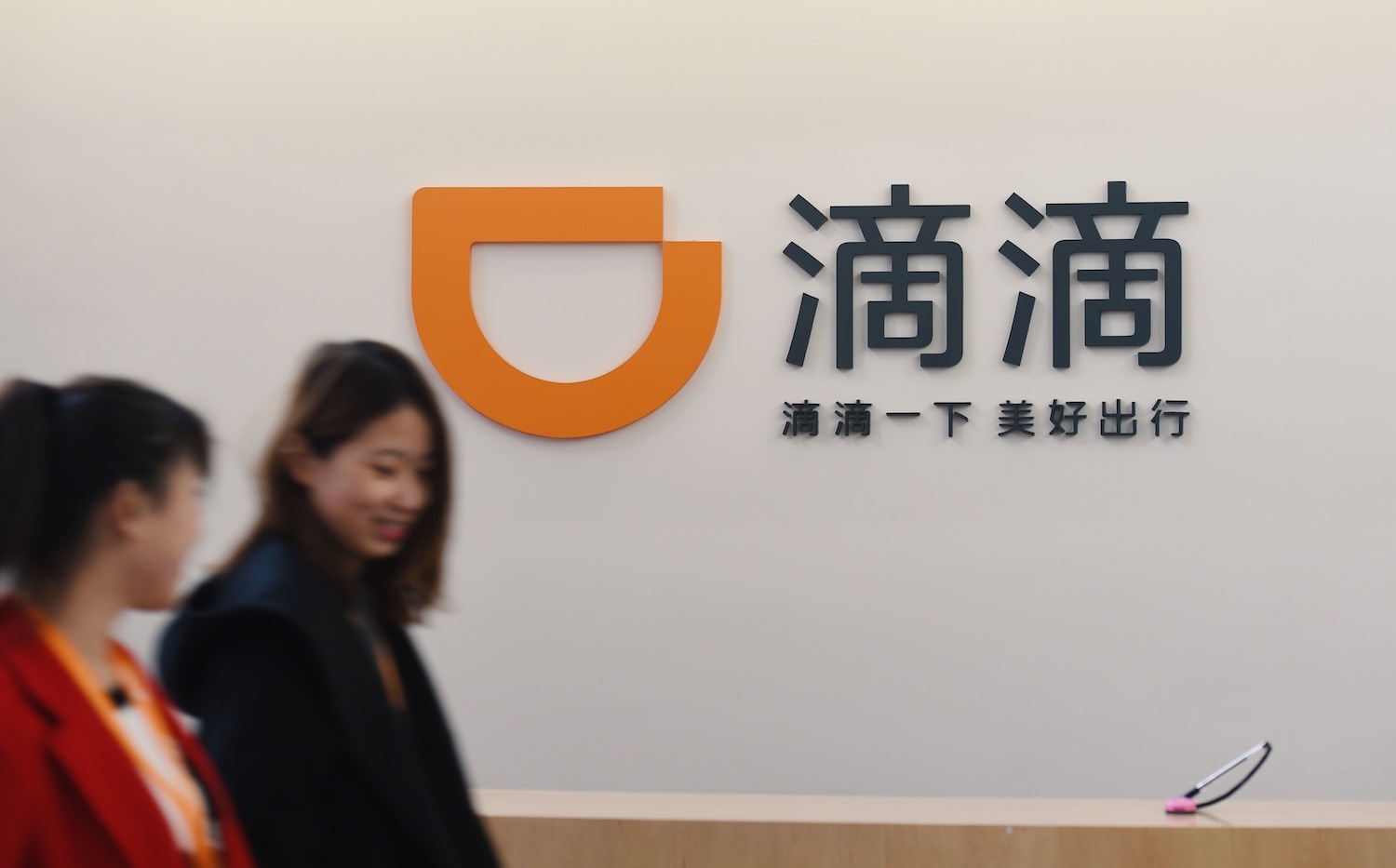
Photo credit: Didi Chuxing
Chengdu, capital of southwest Sichuan province and a popular tourist destination, has been used to trial a pilot project since late May. Didi app users have been able to hail a car dispatched by Miaozou, a ride-hailing unit under travel platform Tongcheng.
The two companies have worked together for several years on airport trips and have now teamed up to bring “extra supply” to mobility services, offering quicker and more affordable and reliable rides, according to a Didi spokesman.
“As a mobility platform, Didi’s major goal remains to enhance its own services,” said Sun Naiyue, an analyst with consultancy firm Analysis. “The response time and actual wait time for users are two important gauges.”
Didi, which counts hi-tech giants Apple, Tencent Holdings, and Alibaba Group among its biggest shareholders, is battling new competition from broader platforms.
Meituan Dianping, which offers hundreds of services on its app, launched its aggregated ride-hailing service in 10 more Chinese cities, including Beijing, earlier this month. Under the pilot program, users can compare offers from several platforms such as Geely’s Caocao Car and Shouqi, and hail a ride via the Meituan app. AutoNavi, Alibaba’s maps app with 100 million daily users, has its own aggregated platform that allows users to book rides.
Didi, long vaunted the market leader after triumphing over arch-rival Kuaidi and beating Uber out of the country in 2016 to end a cutthroat subsidy war, is also battling to improve ride safety after driver scandals last year. It has a market share of 88% in China’s ride-hailing market.
Meanwhile, more carmakers have been piling into the market. Last month, electric vehicle startup Xpeng Motors launched a mobility service in Guangzhou. In November 2018, BMW announced it had secured a ride-hailing permit for Chengdu, making it the first global carmaker to gain access to the Chinese market. And last year, a car-hailing platform backed by state carmaker Shanghai Automotive Industry Corporation began trial operations in Shanghai.
Alibaba is the parent company of the South China Morning Post.
Visit SCMP.com for the latest China tech news.
Copyright (c) 2019. South China Morning Post Publishers Ltd. All rights reserved.
Editing by Charmaine de Lazo





Stay updated on the go with our mobile app.
Get latest insights with smoother, more personalized experience through TIA mobile app.