- Insights This article was written by a TIA community member. Insights pieces undergo the same rigorous editorial process that newsroom-produced articles have.
 Joel KO · · 2 min read
Discuss: What would happen if Singapore startups were forced to go global from day one?
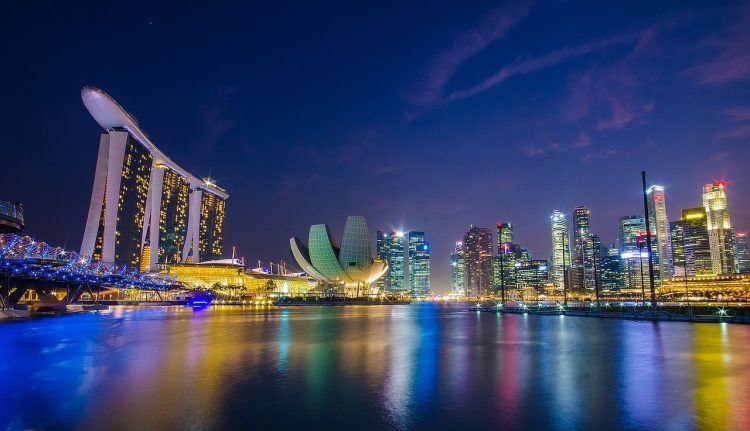
Photo credit: Pixabay.
Discuss features short but strong and insightful opinions on interesting startup, entrepreneurship, and tech topics. Share your thoughts in the comments section below.
What would happen if entrepreneurs in Singapore couldn’t sell their products or services to the domestic market at the onset of their business? If they are clever and passionate enough, there are nine possible scenarios.
- They would feel like banging their heads against a stone wall.
- After that, they would begin out of necessity to target major markets nearby, namely Malaysia, Indonesia, Vietnam, and Thailand. They may also look at far-off markets like the US, the UK, and Australia where many Singaporeans study or work.
- Since they are left with little choice, they would aggressively seek international partners who can work with them in those new markets. Then, they would earnestly study these markets from day one.
- Most of their plans and resources would be focused on the domestic market, albeit claims of executing a global strategy. But without access to Singapore, they would be forced to redo their plans for operations and reallocate their resources to respond to international challenges.
- They would quickly realize that they (and many other local startups) have been too obsessed on the local market in Singapore, though it only boasts 5+ million people (and is in fact tiny).
- They would come to know that their accumulated knowledge and experiences are very low once they gain an international perspective.
- They would realize that they are too dependent on partners for their strategy outside of Singapore. Entrepreneurs should always take the initiative themselves for their product or service in any market—domestic or international. They may be surprised that even their so-called trusted partners are not aware of their customers’ real needs.
- Should they adopt a risk-averse approach, they would lose new growth opportunities because the reality is that the world is already full of products similar to theirs. They would have to break out of the local market, take a chance, fall down, and get up again. They shouldn’t be insular.
- Fortunately, Singaporean startups enjoy quite a good brand in the global market, especially in terms of their technological and business capabilities. Singaporeans are broadly trusted and seen as competent and efficient in business. Ultimately, the intelligent and capable founders would embrace internationalization and be excited about new markets and opportunities at their doorsteps.
I am sure that you will agree with me and realize that what I am saying is true. I am not saying that you should give up your Singapore market despite its small size. I am just encouraging local entrepreneurs and startups to plan, break out, and do things for bigger markets beyond the Little Red Dot.
Let’s discuss
- Do you agree with the scenarios described above? Why or why not?
- What are possible reasons why startups in Singapore have difficulty flourishing in the local market?
- Should all startups in Singapore aim at going global?
Editing by Charmaine de Lazo
(And yes, we’re serious about ethics and transparency. More information here.)





Stay updated on the go with our mobile app.
Get latest insights with smoother, more personalized experience through TIA mobile app.








📅 Upcoming Events
22 October 2026
Payoneer x CSPN Summit 2026