- Premium Content It takes our newsroom weeks - if not months - to investigate and produce stories for our premium content. You can’t find them anywhere else.
 Putra Muskita · · 5 min read
How EPOS bootstrapped its way to a 7-figure revenue
In 2009, Ian Cheong left his Wall Street job at the height of the financial recession to return to Singapore. Once back home, he got into the then-nascent tech space.
“That year was when you just had the iPhone 3GS, with the iPads coming up shortly thereafter,” he says in an interview with Tech in Asia. “There was a lot of buzz around these new devices and how they could transform businesses.”
But Cheong realized that retailers and restaurants were excluded from this trend. At the time, point-of-sales (PoS) systems were all standalone machines; they weren’t cloud-based devices nor could they support APIs and other integrations.
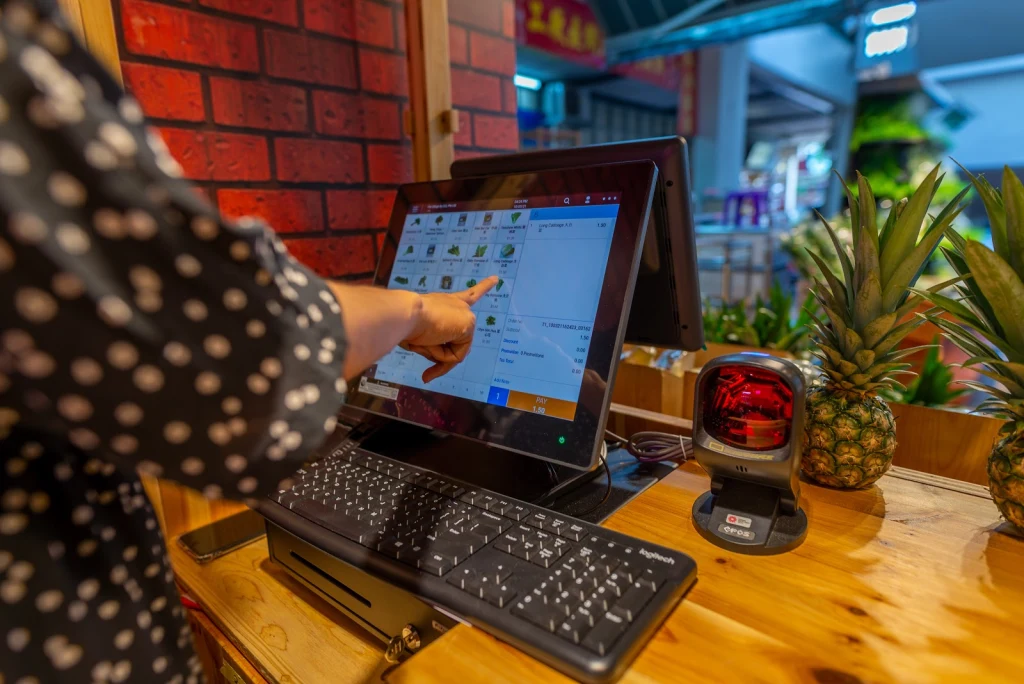
Photo credit: EPOS
That gap led Cheong to establish EPOS, whose systems are geared for retailers and F&B businesses. After 14 years, the company has over 6,000 customers and annual revenues in the high seven figures of US dollars.
It was also profitable from the first year onwards – all without outside funding. And to Cheong, being bootstrapped has been an advantage.
“We are only in the Singapore market. We have hardware. We have a very high degree of customer service,” the CEO says. “These are things that we can do because we are not beholden to VCs.”
First-party data
EPOS’ offerings for restaurant clients cover front- and back-of-house functions such as table management, GrabFood and Lalamove integrations for food delivery, inventory management, and automated accounting.
Similarly, products for retail clients include ecommerce integrations as well as data reporting and analysis.
Shell, Singapore’s National Library, and Tai Cheong Bakery are part of EPOS’ clientele.
Cheong thinks that several key differences from its competitors have helped EPOS build client loyalty. One is customer service: He recalls how in the early days of the tech, some businesses would face trouble with their POS system on a weekend – usually a busy period – but their vendor would be slow to respond.
To solve that, EPOS made its customer service available 365 days a year and even has technicians on standby to fix hardware or systems on site. The company’s typical response rate is about one hour.
EPOS isn’t a “sexy SaaS business where you have businesses install on the iPad and then they figure everything themselves,” Cheong notes. Instead, “there is a lot of hardware, there is a lot of customer support, and those factors make a difference.”
Another selling point is marketing tech (martech) features, which Cheong says is a major part of the company’s strategy. To manage customer relationships, clients can use EPOS to create a tiered membership system, design a loyalty program, and save customer details in just one place.
Hyperfocus on one market
Stay ahead in Asia’s tech landscape
This is premium content. Subscribe to read the full story.
After 14 years, the Singapore-based PoS and martech provider has over 6,000 clients. But it has steered clear of regional expansion – with good reason.
We know this is not ideal. ⌛ Sign up in 20 seconds. Cancel anytime.
Our subscriber community includes professionals from these companies:





Stay updated on the go with our mobile app.
Get latest insights with smoother, more personalized experience through TIA mobile app.








📅 Upcoming Events
22 October 2026
Payoneer x CSPN Summit 2026