Eva Xiao · · 5 min read
In China, internet celebs are turning into entrepreneurs. Here’s how.

Photo credit: Hannah Morgan.
On a tree-lined street in Shanghai, a glass storefront shows off frilled dresses and high heels. It looks like a typical clothing store, except that it belongs to online fashion sensation LinForeverGirl, who has over four million followers on Weibo, China’s Twitter equivalent.
Now, she’s funneling those fans into foot traffic – and turning them into customers of her own clothing brand.
“[Key opinion leaders, or KOLs,] understand what people want. They understand what they’ll buy,” says Elijah Whaley, chief marketing officer of Parklu, which helps brands find and collaborate with social media influencers in China.
“All they have to do now is create the products, and in China, it’s particularly easy to get hold of a manufacturer to make something,” he adds.
Internet celebrities, sometimes called KOLs, have been around since the dawn of social media. Unlike traditional celebrities – such as actors, musicians, and athletes – KOLs gain a following through their online content, whether it’s photos of food or videos about gaming.
In China, KOLs have taken off in the past few years because of their rising net worth. Last year, online comedian and celebrity Papi Jiang made headlines when she raised more than US$1 million in VC funding. Other KOLs, such as fashion and beauty bloggers, have been able to monetize their fan base by charging brands advertising fees, or receiving tips and gifts on live streaming platforms.
They’re also starting their own product lines and launching online shops. For instance, Whaley and his girlfriend, Maggie Fu, are creating their own cosmetics brand under Melilim Fu, her online persona and brand. Currently, they’re working on their first product, a cosmetics tool.
“My girlfriend has handled all the manufacturing parts of this,” he says. “It’s very, very easy, especially in China. We have the Taobao stores being built, we already have the model product being built.”
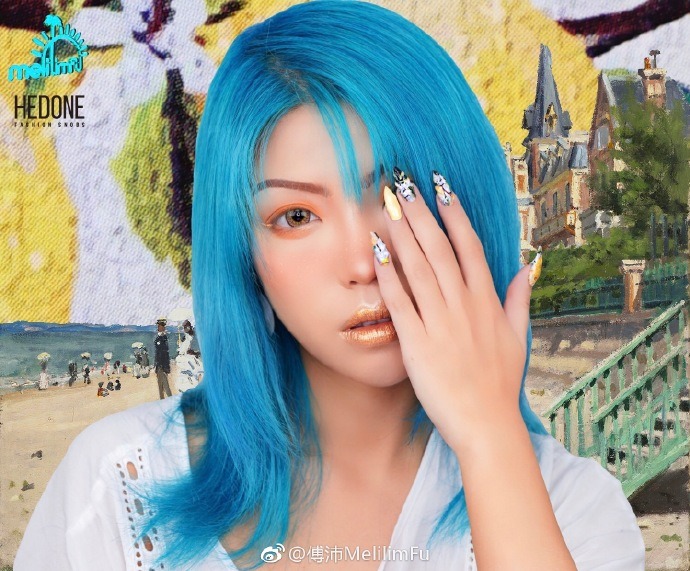
Maggie Fu is a makeup artist who co-runs the Melilim Fu brand with Elijah Whaley. Photo credit: Melilim Fu.
In particular, China’s super-platforms make it easy for bloggers, video makers, and live streamers to turn content into a business. A number of young social media stars, such as “Chonny,” a skincare and cosmetics KOL with more than two million Weibo followers, have launched their own stores on Taobao.
See: How WeChat helped a 28-year-old make millions through cartoons
“Instagram is pictures, YouTube is videos, Facebook is a stream. There’s no payments, there’s no commerce, there’s no integrated aspect,” Whaley explains. Weibo, on the other hand, combines social media, live streaming, group chats, and ecommerce. Chinese messaging app WeChat, which has 963 million monthly active users, ties together payments, content, and social networking as well.
KOL incubators
Superfans





Stay updated on the go with our mobile app.
Get latest insights with smoother, more personalized experience through TIA mobile app.