 Miguel Cordon · · 3 min read
Online furniture retailers turn to AR to reach consumers amid the pandemic
As people continue to stay home amid the Covid-19 pandemic, retailers such as online furniture shop Castlery are turning to augmented reality (AR) to bring the shopping experience to consumers.
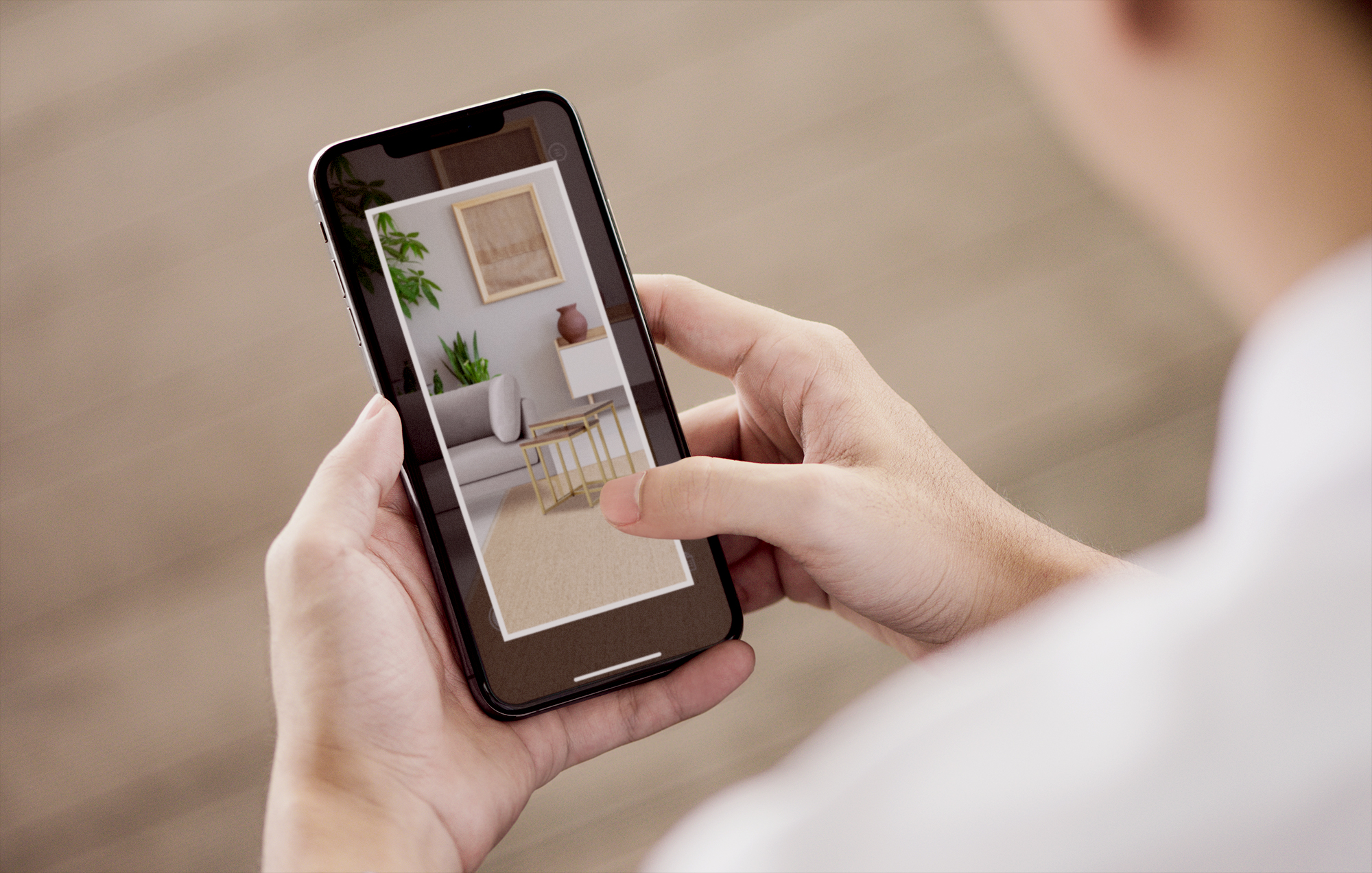
Photo credit: Castlery
Founded in 2013, the Singapore-based startup designs and produces modern furniture at competitive price points. It does so by cutting out the middleman and keeping inventory lean, passing the savings to its consumers.
It just launched an AR-powered app that allows users to view true-to-scale products and examine details such as fabric and leather textures in a real-life environment. Users can also visualize how the designs will look in their space before they make a purchase.
The app, which is only available for iOS devices at the moment, was initially scheduled for release in Q3 2020, but was accelerated in light of the current crisis.
“Like everyone, our business and operations have been materially affected by these rapidly shifting circumstances,” Declan Ee, co-founder of Castlery, tells Tech in Asia. “As shoppers are unable to physically experience our products, it is crucial that we provide them with a viable digital solution.”
The startup hopes that its AR app can eventually drive a 10% to 15% improvement on its digital checkout share.
AR, however, isn’t new to the home design scene. There are similar efforts by other furniture players like Singapore-based Commune, which launched a new mobile app prior to the pandemic. International brand Ikea also has its own AR-based app, Ikea Place, which it rolled out in 2017. It also recently acquired an AR startup to help attract shoppers despite the lockdowns.
Indonesia’s Fabelio aims to introduce its own ecommerce app later in the year and add an AR feature as well.
It has also been working on a virtual tour feature that lets shoppers visit Fabelio’s 20+ showrooms without having to step outside, co-founder and chief product officer Filippo Lombardi tells Tech in Asia. The startup aims to roll it out in the next couple of months.
Ee believes that consumers will soon become comfortable with a fully digital shopping experience. He notes that if the movement restrictions stay in place, consumer behavior may shift towards a more “low-touch” environment.
“Consumer habits are hard to change,” he says. “But given the current circumstances, they have no choice, so adoption could increase during this period.”
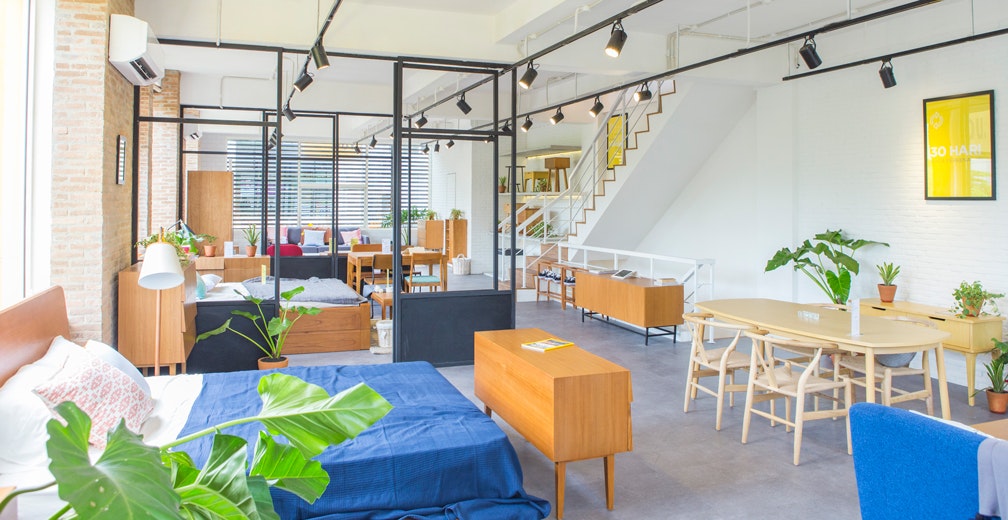
A Fabelio showroom in Alam Sutera, a Jakarta suburb / Photo credit: Fabelio





Stay updated on the go with our mobile app.
Get latest insights with smoother, more personalized experience through TIA mobile app.








📅 Upcoming Events
22 October 2026
Payoneer x CSPN Summit 2026