United Nations Women states that one in three women face sexual assault at least once in their lifetime. The numbers in India are staggering too, with a rape occurring every 20 minutes. However, there was no platform that documents cases of sexual harassment.
So when Elsa D’Silva set out to create a community-based platform for Indians to share their experiences, she knew it had to be a full-fledged business. Even more so because Kingfisher Airlines, where she was managing the route network, was going through a tough time. The airline eventually shut and D’Silva went full-time into putting up SafeCity to make cities safer by encouraging equal access to public spaces for everyone, especially women, through data and technology.
The website lets users anonymously provide details of what happened, where, and when the incident took place. These complaints get aggregated as hot spots on a map indicating where the problems are occurring.
“Most women and girls do not talk about abuse for a multiple of reasons – fear of society, culture, victim blaming, fear of police, tedious formal procedures, and so on. As a result the perpetrator gets bolder over time and we accept it as part of our daily routine. This leads to under communication and under reporting of the issue,” says D’Silva.
“If there are poor official statistics, the problem is not visible and is not a true representation of the actual problem. Therefore we need to break our silence and document every instance of harassment and abuse in public spaces so that we can find the most effective solutions at the neighborhood level,” she adds.

The SafeCity team
Perception of the police’s insensitivity as well as cultural backlash deters people from reporting. They feel more comfortable using the site, D’Silva claims. By representing the information on a map as hotspots, SafeCity is moving the focus away from the “victim” to the location. People can view the issue with a different lens.
Users can also sign up for alerts either based on location or category of harassment. This lets people understand the safety landscape of an area and make the most informed decision for themselves. For example, they can decide on the time of visit, method of transport to use, and if they need to be accompanied by someone, or even what clothes to wear.
On the site there are also instances where people have offered help to those reporting in the “comments” section. In Bangalore, a man offered to walk with a lady through an unsafe area.
Today, people make choices for pretty much everything based on reviews – books, movies, restaurants, and hotels. But we have nothing for personal safety. SafeCity is creating this database, and it can be used in several ways.
Complaints to the authorities
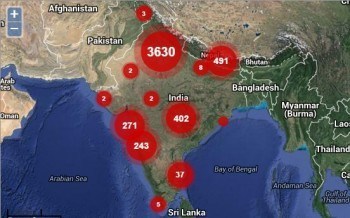
SafeCity’s crowdmap to figure out areas with high law and order issues
Towards a safer world





Stay updated on the go with our mobile app.
Get latest insights with smoother, more personalized experience through TIA mobile app.