 Jonathan Chew · · 6 min read
Our CTO of the Year weighs in on tech, leadership, and innovation

Summary:
- OsseoLab was founded to bring advanced engineering and 3D printing to Southeast Asia’s healthcare sector. Co-founder and CTO Joe Promoppatum’s main focus lies in creating strong technical systems to support the company’s growth.
- The biggest challenges on the journey so far include finding product-market fit and developing talent.
- Participating in and emerging as champion in the inaugural CTO of the Year Awards, powered by AWS, provided him an opportunity not only for acknowledgement but also for reflection.
- Learn more about OsseoLabs here.
They’re the silent guardians of server infrastructure and watchful protectors against bugs. They’re the dark knights – the unsung heroes. They’re CTOs.
To celebrate these crucial figures in the world of business, Tech in Asia teamed up with AWS to launch the inaugural CTO of the Year Awards. Participants from around Southeast Asia faced off in multiple rounds, culminating in a thrilling on-stage battle at this year’s Tech in Asia Conference.
Following extensive deliberation by the judges, Patcharapit “Joe” Promoppatum, co-founder and CTO of OsseoLabs, which develops surgical devices using 3D printing tech and AI, emerged as the winner.
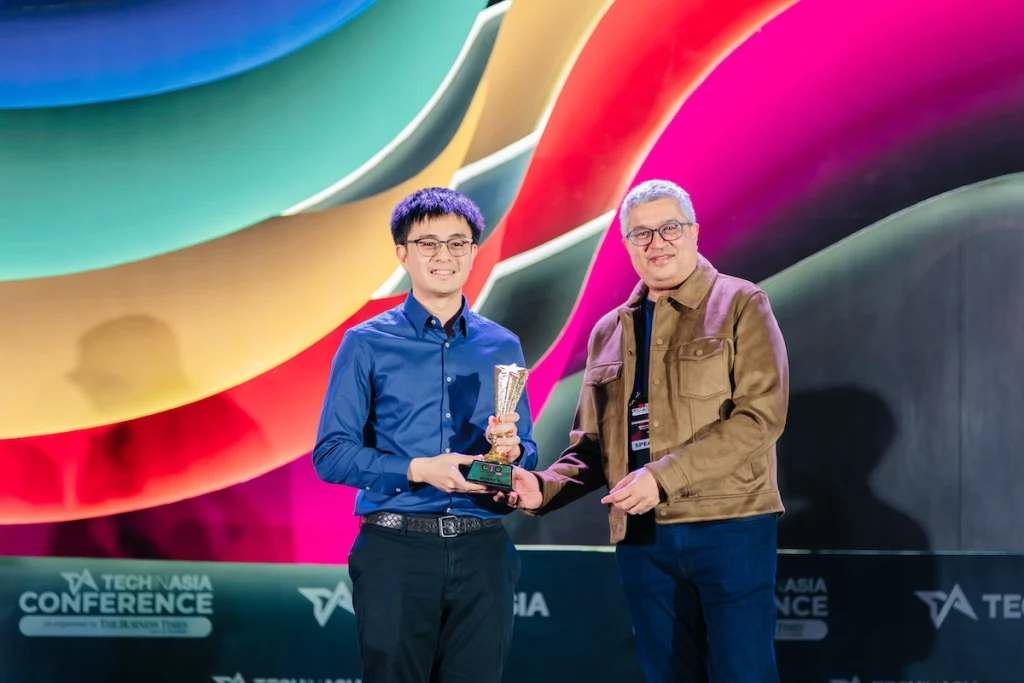
Promoppatum winning the 2025 CTO of the Year Awards / Photo credit: Tech in Asia
Tech in Asia sat down with Promoppatum to learn more about his journey – from educator and university researcher to co-founder and CTO of his own company – and what he has in store next.
Why did you decide to found OsseoLab?
I’d known my co-founder, Vikram Ahuja, for about five or six years at the time. In 2021, he exited a startup that made electric motorbikes and was seeking ideas to create a new company. I shared some of the research I was doing into how we could translate engineering developments into medical products.
After that, he asked me, “Why not create a company to try and push your ideas forward?”
We had to invest our time and money. I figured that in case it didn’t work out, I could just take it as an educational expense. So, it didn’t seem like a bad idea.
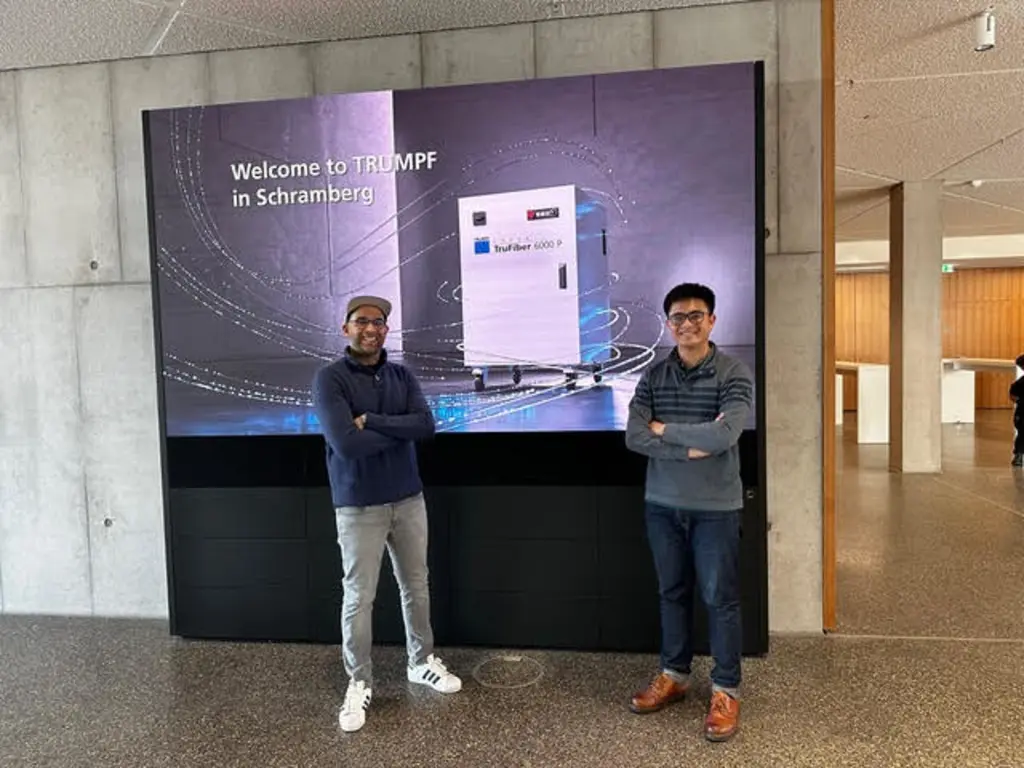
Promoppatum (right) with his co-founder, Vikram Ahuja / Photo credit: OsseoLabs
We also saw that Southeast Asia was three to five years behind the US in healthtech. Going to conferences, you’d see professors presenting about how useful 3D printing could be in surgical care. But we didn’t have that in Thailand.
However, you can’t just copy and paste what you see from Europe and the US, as it may not make business sense. So we had to find a way to implement the tech while ensuring it would align with the overall cost structure of healthcare in Southeast Asia.
Learn more about OsseoLabs and how it’s transforming healthcare
We reached a point where, even though we felt confident our product could make a positive impact, we couldn’t really scale – especially if we only relied on manual engineering work.
That’s when we decided to create a platform, using AI, that would allow us to speed up all the design processes. And this became something unique to us because it’s a pain point we have in the region.
What does your job as CTO of OsseoLabs entail?
When I started, it was all about making sure the tech worked. Now, it’s about how I can make OsseoLabs grow sustainably and support all the people who put their time and money into the company. The question is, “If the tech works, what’s next? Would people use it? What’s our value proposition? And can we expand it beyond Thailand?”
I can’t always be worrying about the platform or machines functioning properly – I need to create a system, and that requires overall planning. That’s new to me, and I’m still learning. We know our people work hard and put in effort, but if we don’t create a good system, then we cannot scale the software or product as a team.
I also have to guide and support my team as its members grow in their careers. With our engineers, I tell them they cannot worry only about themselves, because eventually they’re going to have people on their team. They need to be able to coach new people and do what I’m doing for them, but it doesn’t come overnight.
What is the biggest challenge you’ve faced as CTO? How did you overcome it?
At first, it was trying to figure out whether our tech would be of any use and finding product-market fit.
In the second phase, the challenge was more about navigating the market. I feel like we were beginning to understand the market a little better, which would lead us to the third part – building a good team to capture new opportunities.
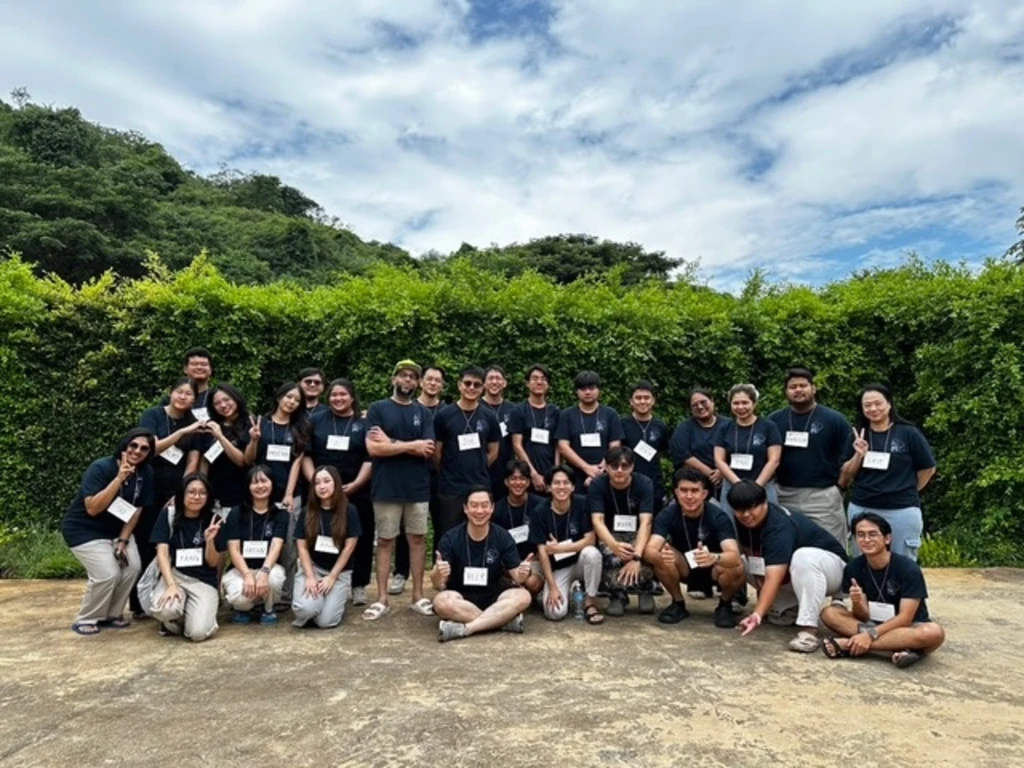
The OsseoLabs team / Photo credit: OsseoLabs
It was hard. When training an individual, you need to envision a future version of them and imagine how good they can potentially be. But it’s so important.
What is one thing you wish you knew before becoming a CTO?
The level of commitment.
At my faculty job at King Mongkut’s University of Technology Thonburi, I could maintain quite a healthy day-to-day work-life balance. But as a CTO, it’s more like running a train – not necessarily a high-speed one, but a bit more like an old train with a combustion engine. This train may be slow, but it’s running all the time.
I’ve eventually been able to manage because now, my personal and work lives have merged.
I feel a lot of responsibility for investors who put in their trust and money, and also for our team members who joined us. I’ve always felt that they could have gone anywhere else, but they made a choice to join us. I don’t want to disappoint them.
All of this requires a very big commitment. I wouldn’t necessarily change anything, but this is something that surprised me.
How was your experience participating in and winning the 2025 CTO of the Year Awards?
I remember seeing a post on Facebook about the competition, and I thought, “Why not? After all, I’m a CTO, and I work hard. Why not try to see how it will work out?”
There were multiple rounds of interviews, but I think the whole selection process was nice. I’ve been able to reflect on what we’ve been through as a company, and I enjoy the realization that we’ve done something great. Hopefully, we can do even more and better things in the future.
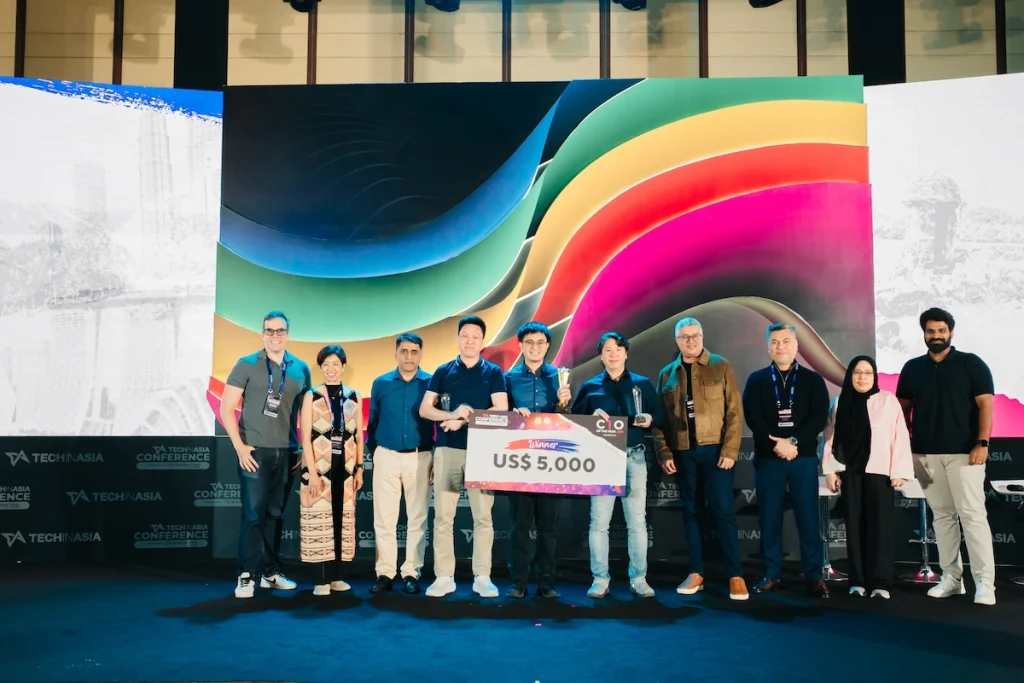
The finalists and judges / Photo credit: Tech in Asia
Meeting the other five finalists in Jakarta was enjoyable as well. We got along seamlessly – everyone had been through the same pains. It was fun seeing everyone coming together from different backgrounds and the great things they’re doing.
When I won, I could not believe it because to me, the people who deserve the award are those with experience, who put in effort, build something great, and are committed. The other finalists check all these boxes, so winning the CTO of the Year Award just feels unreal and amazing.
What’s one piece of advice you’d give to technical founders who are just starting out?
As CTO, you need to be able to advise people. It’s not like sitting in front of the computer and coding things yourself – you need to build and motivate your teams, showing them what lies ahead, where your product will lead, and how much impact it will have if they build it.
You also need to understand the market, the pain points that exist, and the commercial opportunities. Then you have to analyze everything together, come back to the product, and address all those issues.
You need a product or an idea you can believe in, so that even if the tech keeps changing, your value proposition remains.
OsseoLabs uses advanced 3D printing and AI to transform surgical procedures. It creates custom medical devices tailored to each patient’s anatomy, focusing mainly on improving precision and results in maxillofacial and orthopedic surgeries.
Learn more about the solutions developed by this year’s CTO of the Year and his team here.
This content was produced by Tech in Asia Studios, which connects brands with Asia’s tech community. Learn more about partnering with Tech in Asia Studios.
Stay updated on the go with our mobile app.
Get latest insights with smoother, more personalized experience through TIA mobile app.
Recommended reads
 If AI eats the world, what’s for dessert?
 Why open source is the ‘missing brick’ for robot adoption
 Coach Gemini is in session
 IBM on AGI: bad math, wrong science
 Could the future of tech be found in an art museum?
 Energy is infectious, so pick your tribe
 What it takes to stand out as a product manager in the AI era
 Asia’s AI divide: Creators vs. experimenters
 How to break into robotics without an engineering degree
 Move over, SaaS; SaS is here



Editing by Stefanie Yeo and Mina Deocareza
(And yes, we’re serious about ethics and transparency. More information here.)







📅 Upcoming Events
22 October 2026
Payoneer x CSPN Summit 2026