- Insights This article was written by a TIA community member. Insights pieces undergo the same rigorous editorial process that newsroom-produced articles have.
 Nathan Thompson · · 4 min read
What crypto has to offer in the search for yield
This article is part of Crypto Insights, a segment by major crypto exchange Bybit that dives into the latest and most pertinent issues in the crypto space.
As crypto markets close out April down more than 10%, investors are seeking assets with high yields to protect their funds from further downside risk. In a bear market, passive income is the proverbial honey pot.
Traditional banks still offer paltry interest rates on savings accounts and specialist high-yield strategies are often beyond retail investors reach. That’s why crypto remains attractive to gain easy access to high yields.
But not all crypto yield-bearing products are created equal. So here’s a tour of common yield-bearing products in the crypto industry.
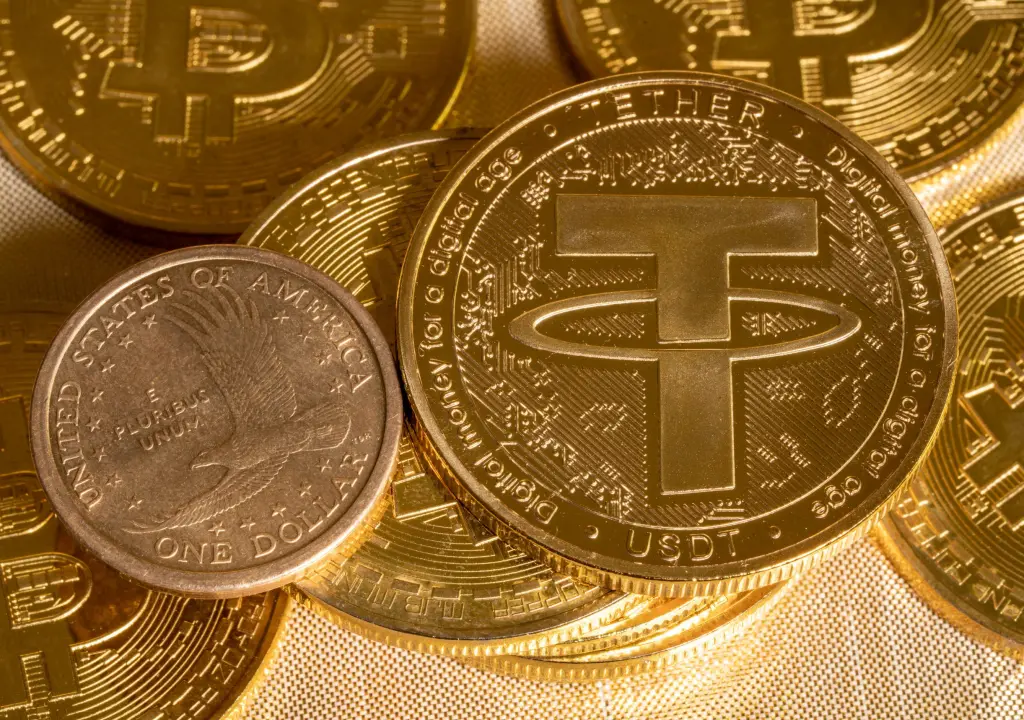
Image credit: 123RF
Stablecoin staking is one of the safest ways to earn yield in crypto because a person only needs to buy and deposit stablecoins such as tether (USDT) that are pegged to the US dollar.
Curve Finance is a crypto exchange that some of the wealthiest crypto investors choose as it offers the deepest liquidity across multiple stablecoin pairs. Meanwhile, Anchor Protocol on the Terra blockchain has been called a “DeFi savings powerhouse” by Bybit because it offers up to 19.5% annual percentage yield (APY) on Terra’s native stablecoin terraUSD (UST).
The more technically savvy might consider node validator staking. Proof-of-stake blockchains like Ethereum 2’s Beacon Chain and Solana are run by a network of nodes. Node operators “stake” a certain amount of ether or solana as collateral.
Stakers are usually rewarded with a dynamic interest rate of 5% to 10% per annum. If a user can’t afford to become a validator, they can still earn interest on smaller amounts by contributing to a staking pool like Lido.
Some crypto projects will produce revenue and distribute it among their validators. Energy Web Chain, for example, plans to offer grid operators access to community solar projects for a fee. The foundation will use this income to buy its native energy web token and distribute it among validators, giving them up to 20% in APY.
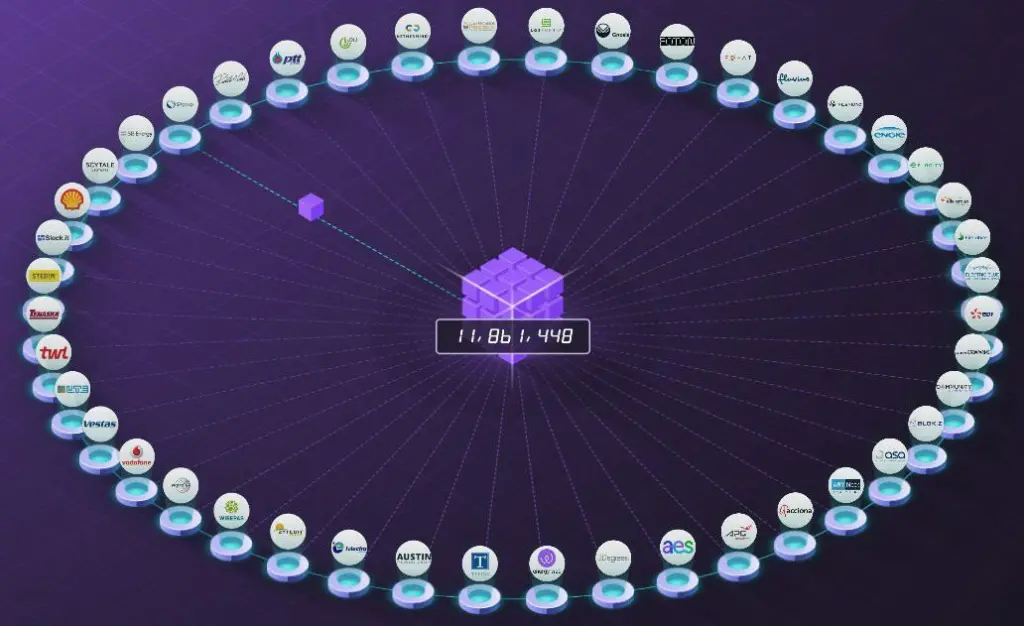
Image credit: Energy Web Chain
Other innovative strategies include non-dilutive staking: A protocol encourages users to buy tokens and lock them up, helping the protocol grow by taking tokens off the market and increasing scarcity. To that end, the protocol creates a non-fungible token that represents a person’s staked funds.
Deus Finance, for example, mints an NFT called veDEUS, which can earn a user up to 138% in APY when kept locked for four years. Further, as the protocol grows and generates new tokens, the value of each NFT increases as well, so locked funds don’t get diluted.





Stay updated on the go with our mobile app.
Get latest insights with smoother, more personalized experience through TIA mobile app.