Terence Lee · · 5 min read
The rise of platformed creativity in Asia and how it’s connecting creators to consumers

Platformed creativity. Creative commerce. The maker movement. These words could very well become mainstream vernacular in the near future, not just in the West, but also in Asia.
Several digital trends are converging to make that happen. E-commerce and smartphone adoption are on the rise, and tastes in Asia are becoming more sophisticated. More consumers are demanding not just for cheap but also well-designed goods. Businesses are starting to recognize the need for effective branding, and are willing to hire designers to spruce up their image.
Just as important is the fact that creative professionals are warming up to the idea of using the Internet as an avenue to grow their businesses. E-commerce platforms, created by startups that sense a growing need for better tools, have become more sophisticated, social, and user-friendly.
Call it the rise of platformed creativity. Think of a flea market where upstart fashion designers go to sell their creations. Or an indie art gallery in a colonial shophouse. Now migrate all of these online. That’s platformed creativity at its core — aggregating creative products online, and then selling it to an audience.
But there’s more to it. E-commerce has always been about the buyers and sellers. Shoppers visit Amazon to purchase a book, but they don’t get a chance to talk to the author about how much they love or hate the plot. Similarly, consumers can visit Zalora to purchase a dress, but they can never meet the designer who created the item.
Platformed creativity can involve bringing creators and buyers together virtually to engage in a dialogue that could shape the product. Sure, not every consumer wants to talk to a creator and vice-versa. Those that do belong to the long tail — not the Justin Biebers of the world, but the burgeoning singers and aspiring film-makers.
Let’s come back to the flea market and art gallery where upstart fashion designers and artists ply their trade. At this stage of their careers, they’re focused on creating a following. If you’re not Andy Warhol, you’d damn well get out there and make sure people know your name and what you’re about. So, platformed creativity is not just about the products. It’s about giving creators a more prominent face.
The idea itself is nothing new. MySpace has long catered to indie singers and musicians, while Amazon has opened its platform to self-publishers. Startups like Fab and Etsy give designer-manufacturers a platform to reach a wider audience, while Kickstarter links entrepreneurs to passionate people who are willing to fund their ideas.
Sure, Asia doesn’t have its own Fabs, Etsys and Kickstarters. But we may not be far away. Startup ecosystems are maturing in Asia, and the result of that is the birth of native platforms catering to creative professionals.
There’s ArtKred for indie artists, Tinytrunk for fashion designers, and CuriousCatch for tech accessories, bags, and more (read about these 3 companies). DesignCrowd, which launched recently in Singapore, Philippines and India, enables companies to start design contests or hire designers.
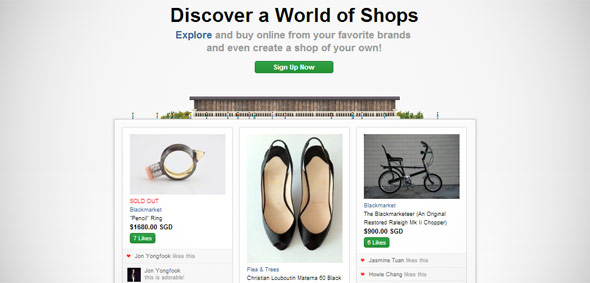
Tinytrunk's homepage.
Crowdfunding has emerged as a nascent movement in Asia. In Indonesia, Wujudkan.com has successfully raised money for movie projects, books, and games. Sites like Togather.Asia from Singapore and ArtisteConnect from Philippines have become venues for indie musicians to raise funds to produce albums.





Stay updated on the go with our mobile app.
Get latest insights with smoother, more personalized experience through TIA mobile app.