 Kaya Domingo · · 5 min read
The value of cross-border payments for Asia’s fintech firms

When Covid-19 hit the globe, three things happened: consumer behaviors evolved, trade increased with emerging markets, and digitalization was supercharged. The payments industry was quick to step up to respond to consumer challenges, which led to the increased acceptance of digital payment platforms today.
“As many struggled economically, faster settlement times, customer-fee waivers, and short-term funding support was offered by financial institutions to lighten consumers’ economic load,” recalls Rohit Narang, managing director for Asia Pacific of cross-border payments platform Currencycloud. “Players in the space also rolled out educational resources and initiatives to help users cope with the newfound disruption.”
Governments similarly offered support by waiving or reducing certain payment charges, increasing digital transaction limits, and providing funds to support the digital transformation of SMEs. Amid the pandemic, the use of contactless payments across emerging Asia has increased by 60% – double the initial estimate. By 2023, Asia’s payments sector is expected to exceed US$1 trillion in annual revenue.

Rohit Narang, managing director for Asia Pacific at Currencycloud / Photo credit: Currencycloud
However, gaps still remain in Asia’s payment ecosystem. While domestic payment options are strong, international transfers need improving.
International payments fall short in Asia
With existing cross-border payment options, consumers experience a lack of transparency, delays in payment processing, inconsistent service availability, and convoluted regulations, according to Narang.
Payment systems across the world have differing standards, systems, and regulations. These differences have caused bumps in the process, preventing seamless data exchange between customers, providers, and their stakeholders.
“If multiple intermediaries are involved, cross-border payments can take up to three days to process, and even longer for less-developed markets,” says Narang.
Bank penetration in emerging Asian countries also remains low. Over half of Asia’s population is unbanked while 18% are underbanked, and many don’t have access to cross-border payments at all. As banks abandon corridors, customers are left with a smaller – and more expensive – pool of options to send or receive money overseas.
Cross-border payments also face the issue of limited coverage.
“Despite SWIFT boasting connectivity to more than 200 markets, this doesn’t guarantee banks’ blanket connectivity as a bank’s coverage is dependent on the size of their own correspondent banking network,” explains Narang. He is referring to the Society for Worldwide Interbank Financial Telecommunications, the most popular global messaging system used by banks and financial institutions to manage cross-border transactions.
To address these gaps, consumers have taken to carrying physical cash. However, one can only carry so much cash into each country, and it comes with several security issues.
Wire transfers, done through regulated institutions such as banks or remittance companies, are a reliable option. However, these also lack transparency and can be expensive.
This leaves consumers with unregulated, informal brokerage networks.
“The danger of using these brokerage networks is that costs may be high, and since operations are typically based on trust, the risk of losing the money still stands,” points out Narang, “There is also no transparency in where the money is when moving across borders and how long it may take to reach the recipient.”
Keeping up with cross-border payments
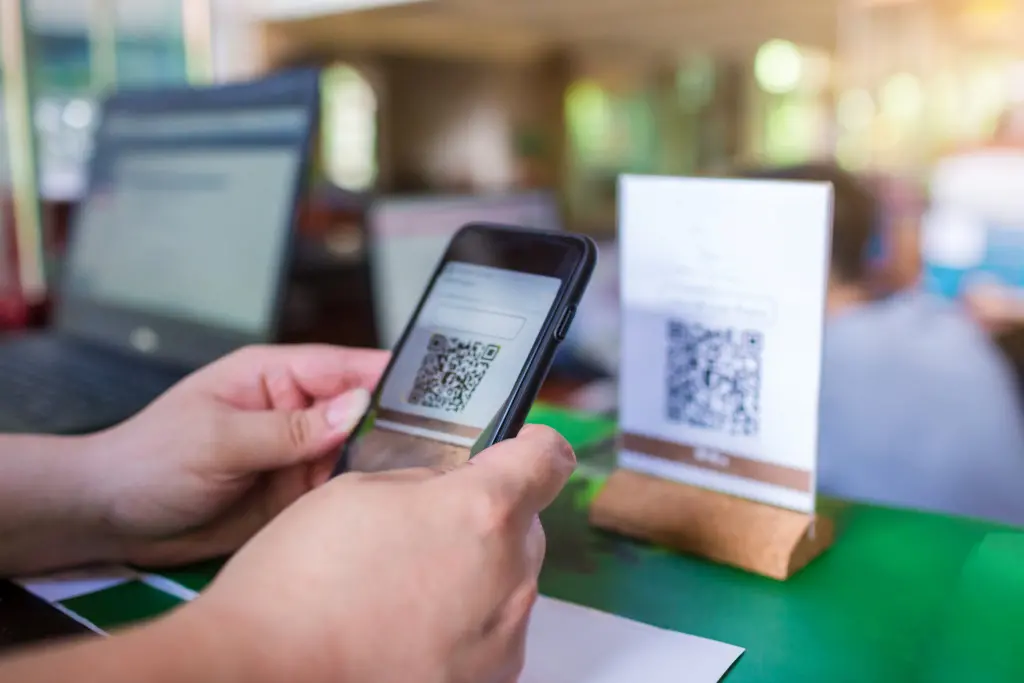
The pandemic accelerated payment trends that were already in motion. In particular, Southeast Asia saw a rise in investments in the e-payments space. Contactless payment methods such as QR codes and digital wallets are also now commonplace – in Singapore, for instance, meals at hawker centers can be paid for using such options.

Photo credit: coffeemate / 123RF
Agreements such as the ASEAN Cross-Border Payments Interoperability Network initiative were launched to encourage member countries to draw up bilateral arrangements for real-time payments across Southeast Asia. These agreements not only influence digital payment adoption and financial inclusion, but also open up opportunities for fintech businesses in the region.
For one, they allow intra-Asia flows, which can improve the overall efficiency and interoperability of cross-border digital payment systems. Further innovation, partnerships, and collaboration between payment providers and businesses are also made easier.
“Digital acceptance and transformation from industries such as logistics and healthcare are making these sectors appear modern and desirable to young job seekers,” says Narang, “This ultimately impacts the economy and increases prospects for payment providers and the greater industry.”
For businesses looking to dabble into the payments space, there are a couple of hurdles they must anticipate. For one, navigating the regulatory landscape can be challenging as each region maintains different infrastructures and network interoperability.
Amid these constantly evolving regulations and requirements, the importance of a secure and efficient payment process is evident. The Currencycloud Spark solution aims to automate this process, securing payment instructions from the get-go to avoid returns, delays, and extra costs. This allows users to access a multi-currency wallet that supports 38 currencies.
Additionally, Currencycloud’s SWIFT global payment innovation lets businesses track where their money is throughout the transfer process.
The future of international money transfer
This year, global cross-border payments are expected to reach US$156 trillion. According to Currencycloud, it’s likely that further integration of digital payments across the value chain will occur.
Through partnerships, players in the industry will ensure value-added services for customers. Bilateral real-time payment arrangements are also set to create regional payments infrastructure that will connect the payment systems of different markets.
“It is an exciting time for cross-border payments,” says Narang, “Businesses should embrace digital transformation, understand deeply what needs to be done, and be prepared to invest in setting up the right systems and human resources to create the platforms that provide value to customers.”
Using APIs and partnering with third-party payment providers can help businesses remove the complexity of figuring it out themselves, allowing them to easily scale and expand their offerings to a larger global audience.
With all the digital payment developments in the pipeline, Asia can look forward to a new and improved payments ecosystem soon.
Currencycloud gives banks,businesses, and fintech companies everywhere the capability to move money across borders and transact globally in multiple currencies, fast. The firm makes it easy for clients to embrace digital wallets and embed finance into the core of their businesses, no matter the industry, enabling them to scale and expand globally.
Find out more about Currencycloud’s solutions on its website.
This content was produced by Tech in Asia Studios, which connects brands with Asia’s tech community. Learn more about partnering with Tech in Asia Studios.
Stay updated on the go with our mobile app.
Get latest insights with smoother, more personalized experience through TIA mobile app.
Recommended reads
 SG crypto firm allows debit, credit payments for token purchases
 Vietnam mulls VAT on imported goods sold on ecommerce sites: report
 Fomo Pay, Ripple partner to provide crypto-enabled payment service
 Southeast Asia’s ecommerce sector isn’t immune to funding winter
 Indonesia’s QRIS launches feature for fund transfers, ATM withdrawals
 Takeaways from Temu’s tell-all lawsuit against Shein
 Alipay+ connects 7 new Asian wallets to China in global expansion
 LinkAja reaches profitability despite fall in users as new strategies take off
 How to protect yourself against crypto scams and hacks
 GoTyme Bank gets go signal to set up Philippine digital bank





Editing by Winston Zhang, Nathaniel Fetalvero, and Lorenzo Kyle Subido
(And yes, we’re serious about ethics and transparency. More information here.)




