 Yoyo Zheng · · 4 min read
The counterintuitive advice to make thought leadership in tech stick
This article is brought to you by Studios, Tech in Asia’s advertising arm that connects brands with Asia’s tech community through the power of storytelling.
When it comes to establishing thought leadership for your tech company, you may want to show off your technical know-how and the intricacies of your product using buzzwords and jargon-laden content. But hot take: Nobody really cares. *Oop*
If you truly want to impress and engage with your audience, it’s not enough to just quote numbers from your extensive research.
Here are three tips to keep in mind for your thought leadership strategy.
1. Cut the buzzwords and jargon
“Our SaaS solution, which utilizes IoT, AI, and ML, will revolutionize your product and increase your customer LTV dramatically…”
When non-technical people read stuff like this, their brains shut down and lose interest. Business people use business language, and the hard data of your cutting-edge technology is hardly convincing to people beyond chief information officers.
Of course, this doesn’t mean that you should leave out the technical specifics of your product altogether.
If your technological innovation is one of your key selling points, explaining it in layman’s terms can be more powerful and effective.
Apple is a great example here. Instead of parading the iPhone 12’s “300 pixels per inch OLED screen that works without a backlight,” it simply says “OLED delivers brighter brights, darker blacks, and higher resolution for everything you look at.”
Which line are you more convinced by?

2. Focus on useful content and business outcomes
Often, it’s better to go back to basics and answer the most fundamental business question:
“How can you help me?”
Does your product help your customers save money? Work more efficiently? Or accelerate their growth? Talk about what business outcome you can achieve and tailor your proposition to your target audience’s pain points.
Here are some questions to consider:
- Who exactly is my target audience? What are their agenda, pain points, and expectations?
- What questions are they struggling to answer?
- What features matter most to them?
- How can I present my content in a creative and engaging way?
For example, human resources solutions company HReasily worked with Tech in Asia to create a series of useful and timely content for HR professionals in Southeast Asian tech startups.
Through a comprehensive survey and data-driven research, they were able to provide meaningful insights and answers to many burning questions surrounding culture-building at work, employment benefits, and online HR tools.
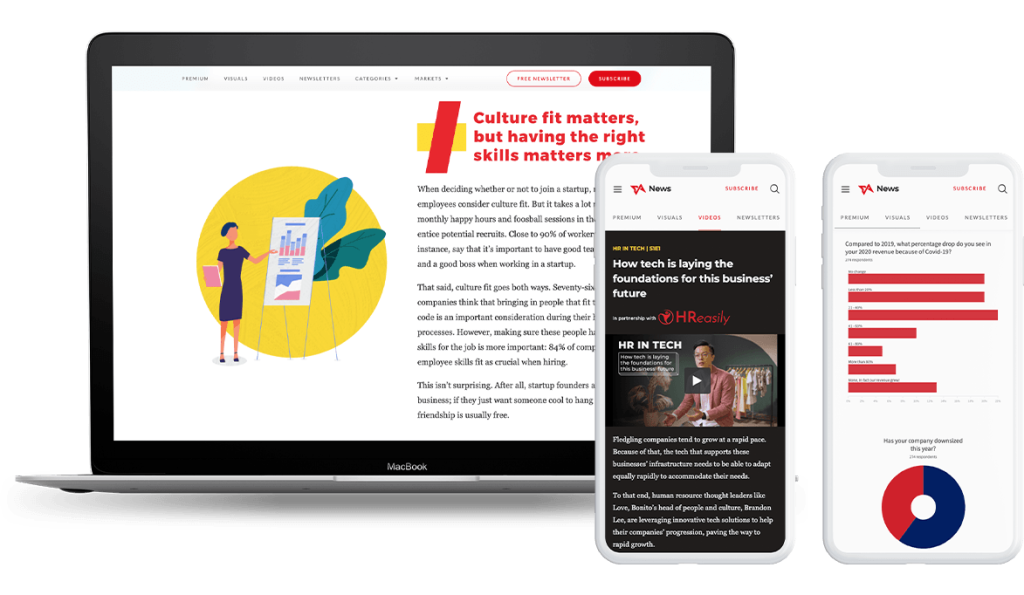
Branded content Tech in Asia created for HReasily. View case studies here.
Through a series of “HR in tech” videos, HReasily and Tech in Asia also shared real-life HR-related challenges and how leveraging its innovative solutions can help companies streamline its processes and build a better work culture.
Want to see how the crew here at Tech in Asia can help elevate your tech brand? View our media kit below:
3. Show, don’t tell
Master the art of storytelling and you’ll keep your customers for a long time.
When it comes to thought leadership, real-life case studies are key. When you show rather than tell the power of your product, you make your audience part of the experience and help them come to the conclusions that you want. Perhaps that’s why storytelling is one of the most powerful tools in persuasion!
For example, Southeast Asian ecommerce and gaming giant Sea Group worked with Tech in Asia on a series of behind-the-scenes content that cast light on its people and innovative ideas.
From how the company was supporting sellers amid the pandemic to real stories about its user engagement games, we used the power of storytelling to humanize Sea Group and position it as a thought leader in the regional ecommerce and gaming space.
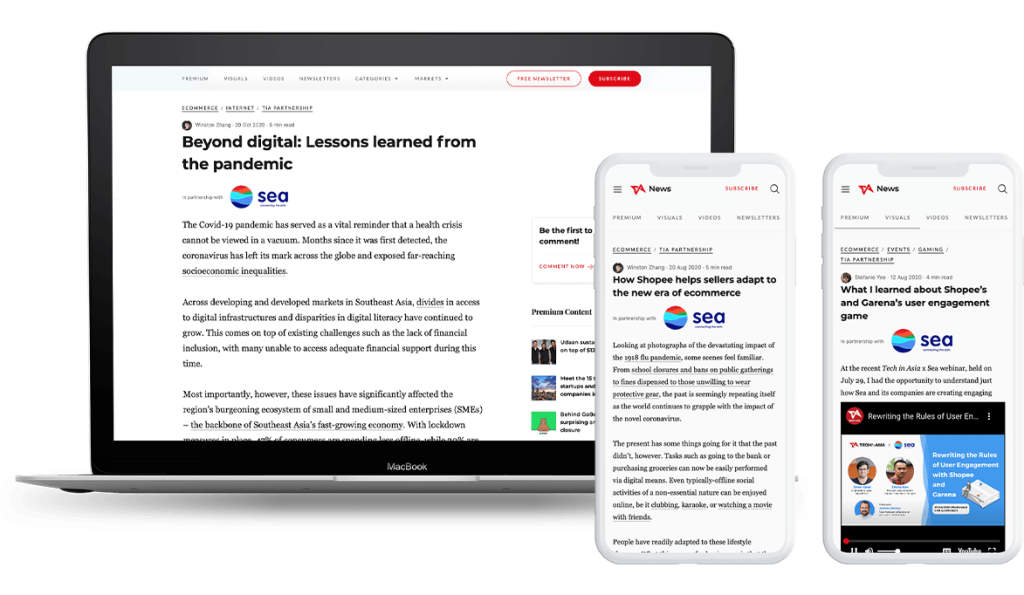
Branded content Tech in Asia created for Sea Group. View case studies here.
Simply put, effective thought leadership involves thinking differently and presenting your innovative ideas in an understandable and engaging way. In the tech industry, it’s easy to get carried away with jargon-filled sentences which may ostracize people from non-technical roles. Instead, it’s important to truly understand your audience, speak their language, and add value to the conversation.
If your organization wants to reach the tech and startup community in Southeast Asia, Tech in Asia has the storytelling tools and loyal audience base to help you reach your goals. You can get in touch with us here or view our media kit below.
Stay updated on the go with our mobile app.
Get latest insights with smoother, more personalized experience through TIA mobile app.
Recommended reads
 Building a human capital operating system for students
 Sequoia partner highlights Elon Musk’s hidden genius
 AI hiring heats up in Singapore
 What it takes to stand out as a product manager in the AI era
 OpenAI introduces text-to-video model Sora
 Surge backs $5.1m round of first accelerator participant from Thailand
 Exclusive: SG kidtech firm bags $2.2m seed round
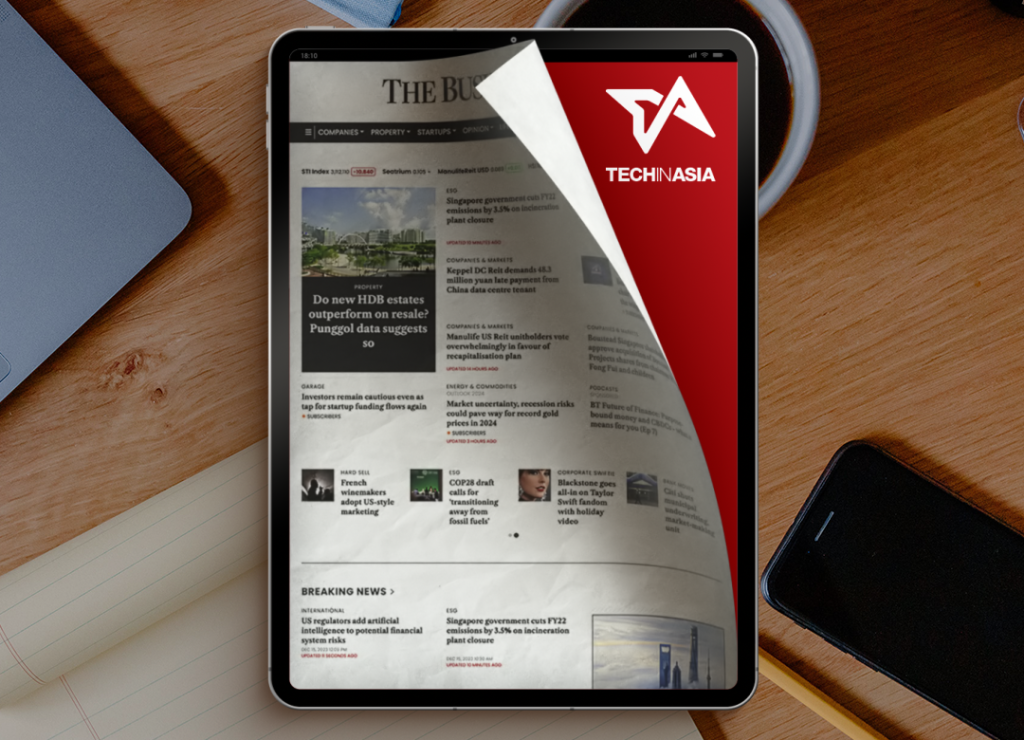 Deal done: SPH Media completes Tech in Asia buyout
 Don’t play nice: guerrilla marketing for SaaS startups
 Crypto.com slashes 20% of global workforce





Editing by Jaclyn Teng
(And yes, we’re serious about ethics and transparency. More information here.)



📅 Upcoming Events
22 October 2026
Payoneer x CSPN Summit 2026