Eva Xiao · · 6 min read
WeChat’s latest feature aims to make it even more omnipresent
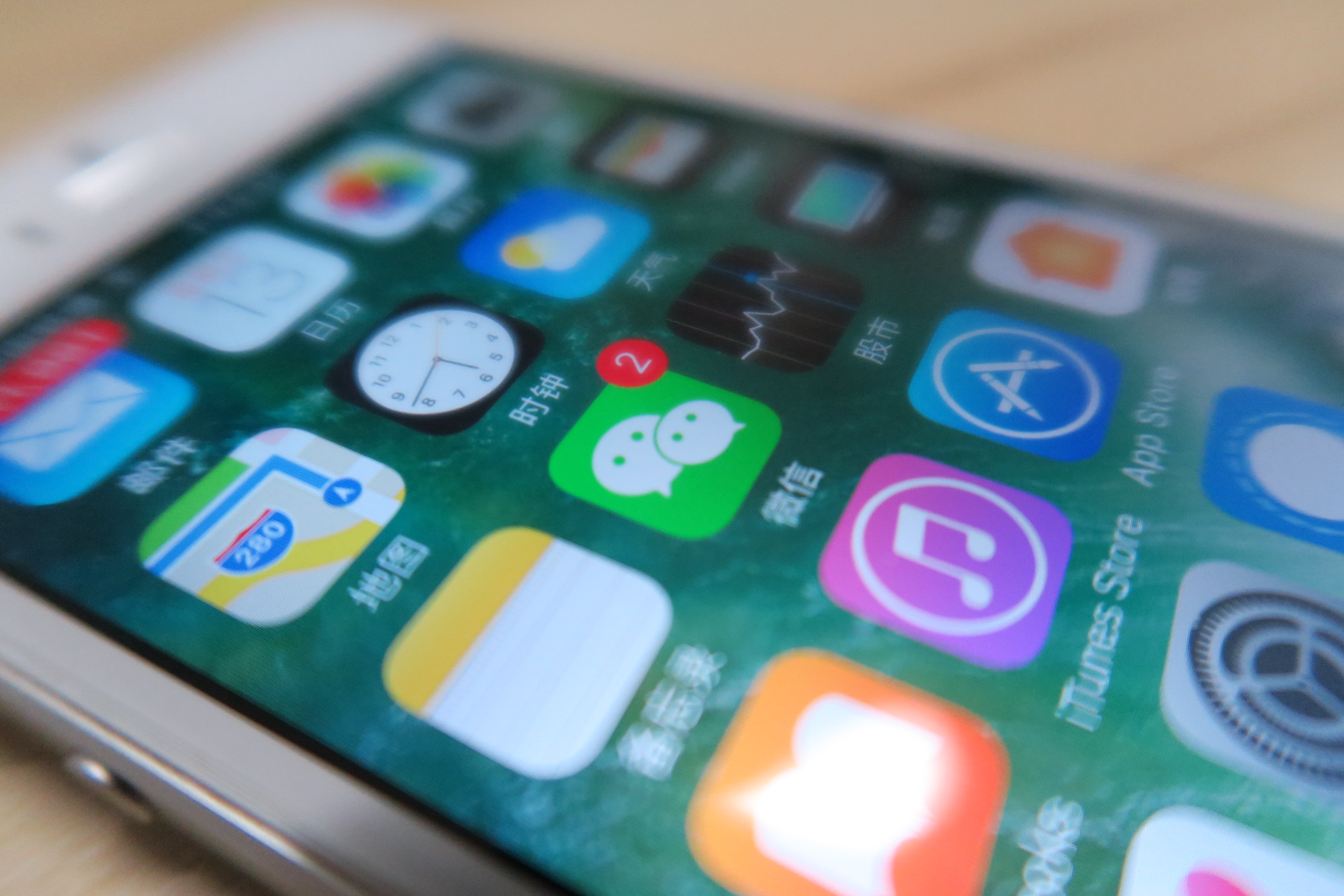
Photo credit: Tech in Asia.
In China, WeChat is uncontested in its dominance over online traffic. People use it to read news, order food, hail cabs, pay their bills, and, of course, chat. But with 889 million monthly active users and little traction abroad – a market dominated by WhatsApp and Facebook Messenger – the Chinese messaging app is turning its attention towards a vast and untapped source of traffic in its home market: offline services.
“The strategy for WeChat is they’re trying to embed themselves into your lives […] and make it so that you can’t leave WeChat,” Matthew Brennan, co-founder of WeChat consulting and research firm China Channel, tells Tech in Asia. The app is basically an “operating system for your life in China,” he says.
WeChat is basically an operating system for your life in China.
However, if it remains a purely online tool or a social network, it’s liable to face competition in the long-term from companies like Momo and even QQ – WeChat’s internal rival. “They can’t be cool forever,” he says. “They’ve already done an amazing job, but they’ve reached a saturation point.”
That’s where mini programs come in. Last Thursday, at a WeChat conference wholly dedicated to the app’s latest feature – embedded apps that don’t require installation – the focus on offline services took center stage. Kentucky Fried Chicken showcased its “don’t wait in line” mini program where users can order food; bike-sharing startup Mobike explained how users can rent and unlock bikes by scanning a QR code via WeChat.
“These kinds of IoT applications have only just begun,” says Matthew, referring to Mobike’s connected bike locks.

Left to right: 1) Video streaming site iQiyi’s mini program lets you watch TV shows. 2) this mini program tells you where nearby bus stops are and when the next ride is (ex: bus 96 is coming in seven minutes).
The offline-to-online factor isn’t new to WeChat by any means. Its mobile payment system allows users to pay via QR code at both five-star restaurants and hole-in-the-wall noodle shops, as does Alipay, WeChat Pay’s main competitor. The app even has iBeacon capabilities, which lets physical shops entice passersby with discounts and other engagement tricks – though that never really took off, probably because it requires Bluetooth.
But mini programs are different. Besides being lightweight, they’re designed to be strictly context-driven – they should only appear if a situation requires it. If not, it remains invisible to users.
They’re designed to be strictly context-driven – they should only appear if a situation requires it.
For instance, there’s a mini program that gives users timely updates on nearby buses. If you’re at a bus stop, you might see its QR code. But if you’re not waiting for a bus, you won’t be triggered to open it. Push notifications and other marketing tools have deliberately been stripped away. And to access them, you have to physically scan a QR code, search for the program’s name, or have it shared in a chat group or via a friend.
“A large portion of our clients that want mini programs have offline applications,” Sheng Pang, CEO of digital agency JuPlus, tells Tech in Asia. “They don’t have a need for marketing.”
Marketing disconnect





Stay updated on the go with our mobile app.
Get latest insights with smoother, more personalized experience through TIA mobile app.