- Premium Content It takes our newsroom weeks - if not months - to investigate and produce stories for our premium content. You can’t find them anywhere else.
 Nikita Puri · · 8 min read
Co-living firms rise above Singapore’s rent hike
In June, a high-end bungalow in Singapore was reportedly rented out to a Chinese national for S$200,000 (US$145,000) a month, which translates to S$2.4 million (about US$1.7 million) a year.
For some context, buying a private condominium in the city costed S$2 million (US$1.5 million) to S$2.5 million (US$1.8 million) in 2021.
It’s not just the luxury housing market in Singapore witnessing soaring prices. In what some see as a trend reversal – people returning to work in urban areas after Covid-19 regulations eased – Singapore has joined New York to top the list of cities that have seen the greatest change in rental values for the first six months of the year.
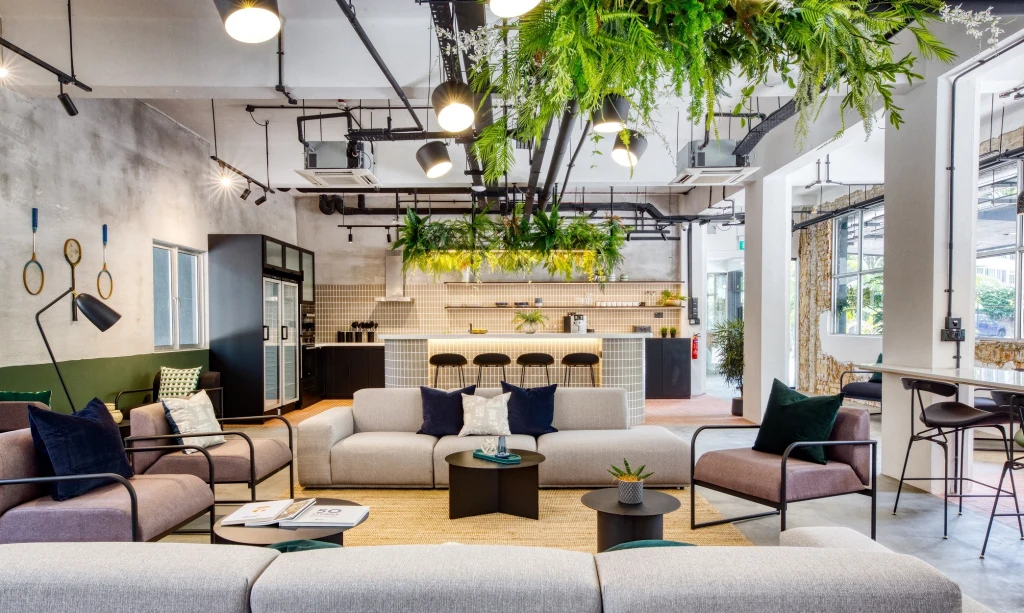
Hmlet Cantonment / Photo credit: Hmlet
While the city-state’s population has dipped in the last two years, home rents have hit a seven-year high, says government data.
Industry experts weigh in on whether this makes Singapore a less attractive destination for expats and what soaring rents mean for co-living firms in the country.
To be or not be in Singapore: the expat angle
In April, a number of tenants told Bespoke Habitat that they would not be renewing their rooms since international travel was open again.
But things changed by June for the Singaporean co-living firm, says co-founder Ernee Ong. He cites several reasons for the shift.
First, expats who had gone to their home countries to see their families after a period of travel restrictions were beginning to come back to Singapore. Second, others who had decided on Hong Kong as a base for their career have opted for Singapore instead.
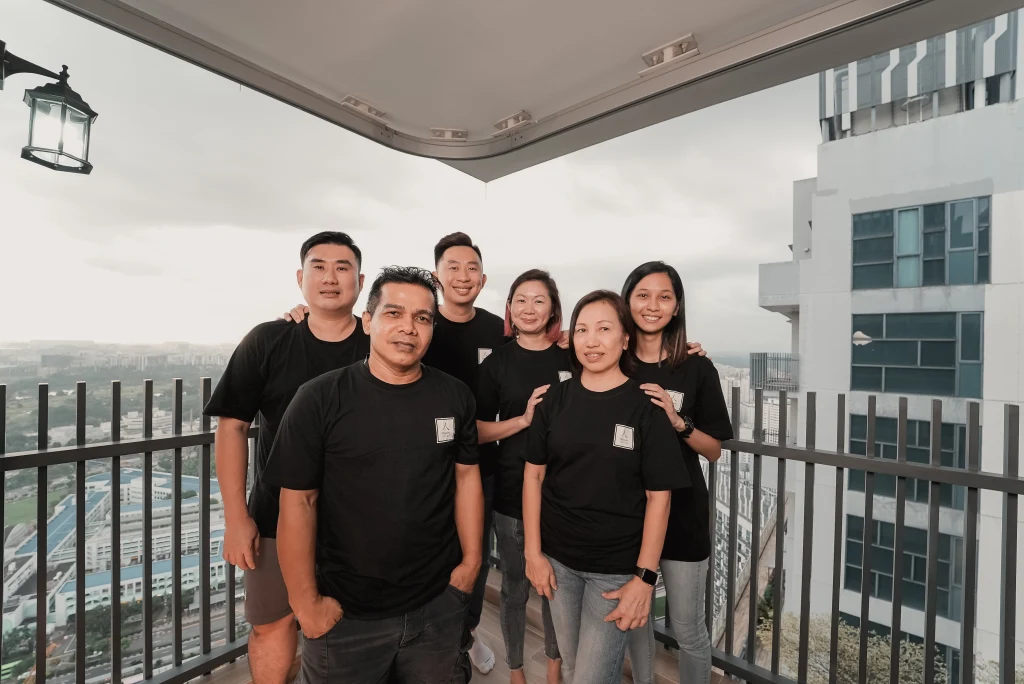
The Bespoke Habitat team with co-founder Ernee Ong in the last row / Photo credit: Bespoke Habitat
Notably, about 70,000 Hong Kong residents have moved out this year citing strict Covid-19 protocols, according to an analysis of the city’s immigration statistics.
Similarly, co-living startup Hmlet has seen an increased demand for flexible living in Singapore with expats – particularly those from China and Hong Kong – making use of the borders opening up.
Opinions vary on whether the trend of steep rents in Singapore is enough to put off expats.
Inflation, meet housing
Make hay while the sun’s away
Stay ahead in Asia’s tech landscape
This is premium content. Subscribe to read the full story.
While soaring rents continue to impact locals and expats alike, co-living firms are doubling down on expansion plans to make the most of a downturn.
We know this is not ideal. ⌛ Sign up in 20 seconds. Cancel anytime.
Our subscriber community includes professionals from these companies:





Stay updated on the go with our mobile app.
Get latest insights with smoother, more personalized experience through TIA mobile app.