Terence Lee · · 4 min read
Beauty salons struggle to fill seats. Lookbooker lets consumers easily book them
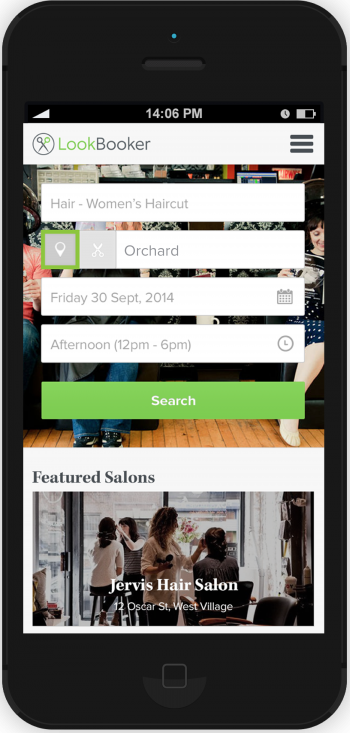 The online booking industry appears saturated. Flights and hotels? Covered. Travel activities? Plenty of choices. Cabs and buses? Pick from a handful of apps in your city. But while startup founders may want to look elsewhere for opportunities, they risk missing out on sectors that are ripe for change.
I’m talking about events and salon bookings. These spaces don’t have dominant players, not in the way Airbnb owns short-term rentals. But while event bookings can’t scale fast since much of the lengthly process cannot be replicated online, salons are different.
Lookbooker believes it can dominate hair and beauty services. The Singapore-based startup owns a similar playbook to Uber, Airbnb, and Hotel Tonight: it pairs a consumer-facing app with a booking management tool for merchants.
Founded by Renee Robbie and Giorgia Rossi, Lookbooker came about after they realized how hard it is to find and book a good salon online.
“After working long hours and traveling a lot, we found booking hotels, flights, and taxis online convenient. So we started to ask ourselves, why can we book everything else but not care and beauty services?” says Robbie.
But consumers aren’t the only ones with problems. Salons feel the pinch too. After speaking to 300 haircare services, the team found out that these businesses typically see an occupancy rate of only 60 percent, putting pressure on their margins.
Also, they have severe bottlenecks: a weak online presence, limited manpower, and phone call bookings. They’re essentially reliant entirely on footfall. On the flip side, you have hair services with an endless stream of customers, and they are finding ways to be more productive. Lookbooker caters to both kinds of businesses.
See more: Thailand’s Yelp-esque Wongnai gets more funding to expand into hair and beauty salon reviews
The big pond
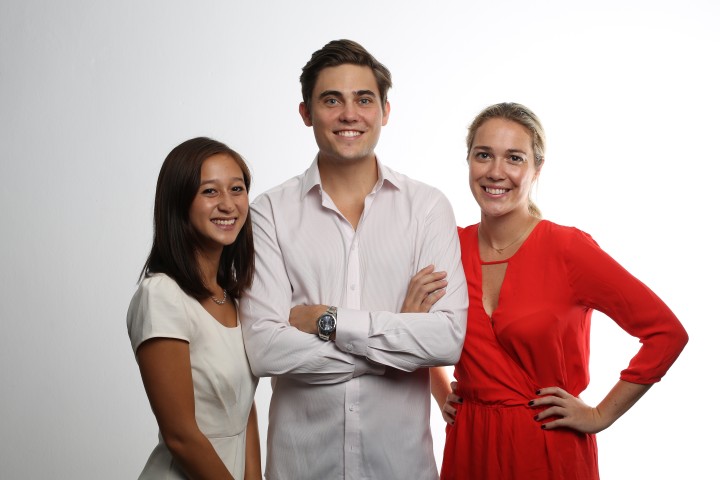
LookBooker team (left to right): Renee Robbie (co-founder), Gavin Edgley (Singapore GM), Giorgia Rossi (co-founder)
The team plans to enter the huge US market next after using Singapore as a test market, and Rossi is based there. While the country is advanced for these sort of online marketplaces, beauty care there is still wide open despite Styleseat and Beautified getting a head start.
Robbie claims the opportunity is vast: one estimate says the US has 1.2 million hair and nail salons, although most are tiny operations consisting of one to a few staff (including the business owner).
It hopes to monetize only through monthly subscription fees rather than take a cut of each sale. In this way, it departs from other online marketplaces, which typically rely on transaction fees alone or take a combination of transaction fees and monthly usage costs. It also eschews the directory model attempted by Singapore food review site HungryGoWhere, which started out building a restaurant directory that serves as a traffic generator. The company only ventured into restaurant booking years after its founding.
So, to make tens of millions in annual revenue, it’ll either need to – based on its current business model – grab a large chunk of the market share (probably five to 10 percent, depending on how much it charges), or start taking a cut from transactions, or create a separate product resembling Styleseat, which targets individual beauticians instead of salons.





Stay updated on the go with our mobile app.
Get latest insights with smoother, more personalized experience through TIA mobile app.