- Premium Content It takes our newsroom weeks - if not months - to investigate and produce stories for our premium content. You can’t find them anywhere else.
 Putra Muskita · · 6 min read
A closer look at Indonesia’s furniture and home living startups
As a sizable portion of Indonesia’s population reaches their late 20s and early 30s, they start hitting the life milestones typical during that age: establishing stable careers with higher disposable income, getting married, and purchasing their first home.
That last one has led to a boom not just in housing, but also in furniture sales. According to Statista, the market size for furniture and homewares in the country is US$2.5 billion in 2019 – up by roughly 157% from 2017.
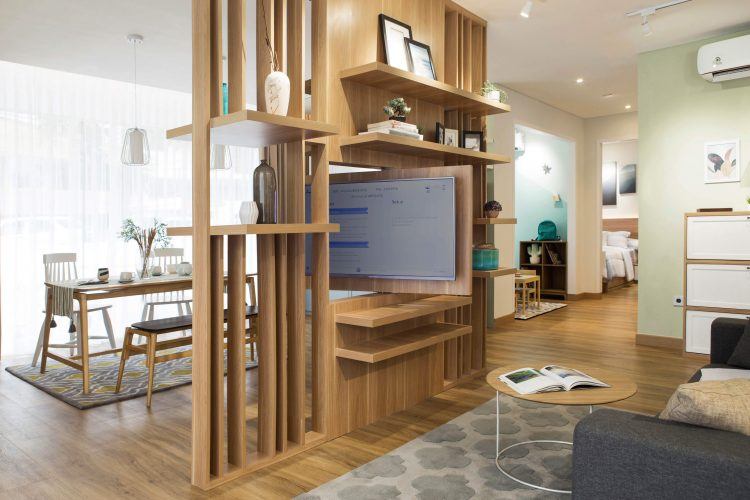
An installation at Dekoruma’s experience center / Photo credit: Dekoruma
Local brands like Informa as well as the likes of Swedish furniture giant Ikea – which entered the country in 2014 – account for part of this growth. But as Indonesia becomes increasingly digital, startups focused on home living and furnishing have begun to crop up.
Two of the most recognized are Fabelio and Dekoruma, which were founded in 2014 and 2015, respectively. Fabelio has raised US$9 million across three rounds of funding, while Dekoruma last raised “several million dollars” in a series B round late last year.
Platform vs. direct to consumer
While both startups are in the same business, there is one key difference: their structure.
At its core, Fabelio is a direct-to-consumer (DTC) brand, similar to US mattress maker Casper or Singaporean furniture store Castlery. The company designs, manufactures, and holds inventory of its own products, which run the gamut from cushions and lamps to mattresses and kitchen sets, and sells them online.
Dekoruma, on the other hand, is a marketplace in the vein of Tokopedia or Bukalapak, but it specializes in the home living vertical. Its platform has a product range similar to Fabelio, but it gets its supply from a host of brands including Ikea, Informa, and US premium mattress brand King Koil.
Of course, each approach has its own advantages. Dekoruma’s platform model means it can carry a wider variety of products compared to Fabelio. It offers 100,000 stock-keeping units (SKUs) – more than 20 times as many as Fabelio’s 4,500 SKUs.
Because Dekoruma doesn’t manufacture and store its own products, it’s also asset-light compared to Fabelio – a model that’s perhaps more friendly to investors. This particular point was a fundraising hurdle for Fabelio in its early days, according to co-founder Christian Sutardi.
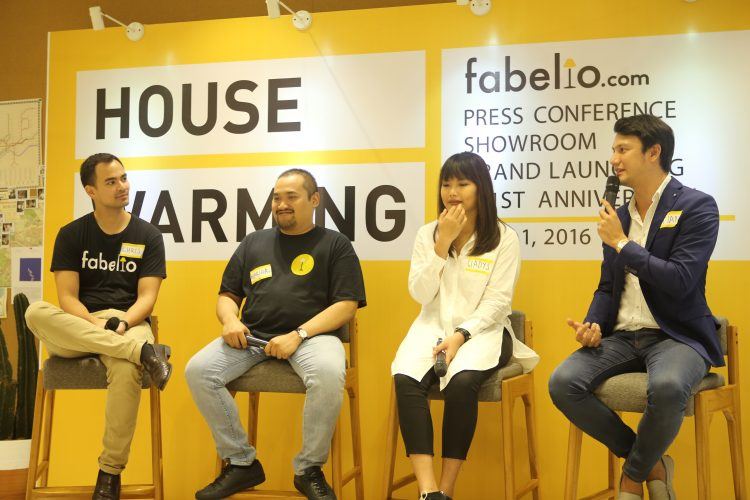
Fabelio co-founder Christian Sutardi (left) / Photo credit: Fabelio
“A lot of things we did were in contrast to what investors wanted, which was a scalable, repeatable, capital-efficient company,” he says. “In our case, we started to carry inventory early on, thinking of showrooms and warehousing and trucks, because we looked at the customer journey.”
Both companies claim that their unit economics are “positive,” but an advantage to being a DTC brand is that Fabelio operates at a bigger profit margin. Sutardi claims the company has a 37% gross margin before operations and marketing (for comparison, Ikea’s gross margin is at 40%).
Moving beyond furniture
Stay ahead in Asia’s tech landscape
This is premium content. Subscribe to read the full story.
Fabelio and Dekoruma both cater to Jakarta’s first-time homeowners, but with different approaches.
We know this is not ideal. ⌛ Sign up in 20 seconds. Cancel anytime.
Our subscriber community includes professionals from these companies:





Stay updated on the go with our mobile app.
Get latest insights with smoother, more personalized experience through TIA mobile app.








📅 Upcoming Events
22 October 2026
Payoneer x CSPN Summit 2026