Erik Crouch · · 4 min read
Cleaning up the worst industry for scams and ripoffs – real estate
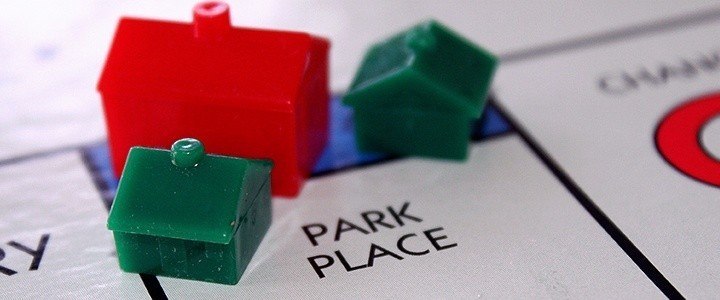
Image via Philip Taylor
Back in 2012, Tanya Cheng’s finances weren’t doing great. Despite having the better part of a decade’s experience in investment banking, derivatives, and the like, she had just lost a good deal in the stock market – “I bought all the right things, but didn’t sell when I should,” she says. To recoup her losses, Tanya decided to get into real estate.
What she found was a world of shady deals, ripoffs, scams, and outright lies. Nobody trusted anyone – and for good reason. She visited 12 countries within one year to take a look at properties and became more convinced that the entire international real estate industry was in need of a drastic clean up.
“I was shocked to find out that international realtors would provide misleading info or overcharge expats in Hong Kong, and how Chinese agents do the same to Chinese buyers,” she says. “It’s not just buyers that don’t trust real estate agents: the agents don’t even trust each other.”
Sorting out a scrambled industry
It probably isn’t a surprise to hear that international real estate is a complicated affair. There are a lot of gears that need to click together to make the whole thing work – connections have to be made between developers, brokers, lawyers, agents, customers, and others.
But just because it’s complex doesn’t mean it has to run inefficiently, or be flush with bad deals. That’s the philosophy behind Tanya’s company Partnergo, founded last year, which aims to be a transparent, referral-based network of real estate professionals throughout the world.
During her year of real estate exploration, Tanya took to Twitter and LinkedIn to voice her opinions about the state of the industry.
“My inbox was always inundated with mails from realtors,” she says. “From them I learned many of the professionals’ unaddressed pains.”
Partnergo works by cutting out as many middlemen as possible. Users simply fill out the kind of property project they are seeking – buying a home, land, commercial development, etc. – and the country or city that they’re aiming for. This proposal is automatically sent to sellers whose properties and expertise match that users’ request – and in a few days, the user has up to five proposals for the job.
Bad deals are rooted out by a user-review system in which buyers can rate sellers, leave comments, and recommend them to others. Because buyers are offered multiple proposals for each deal, price gouging sellers are easily spotted.
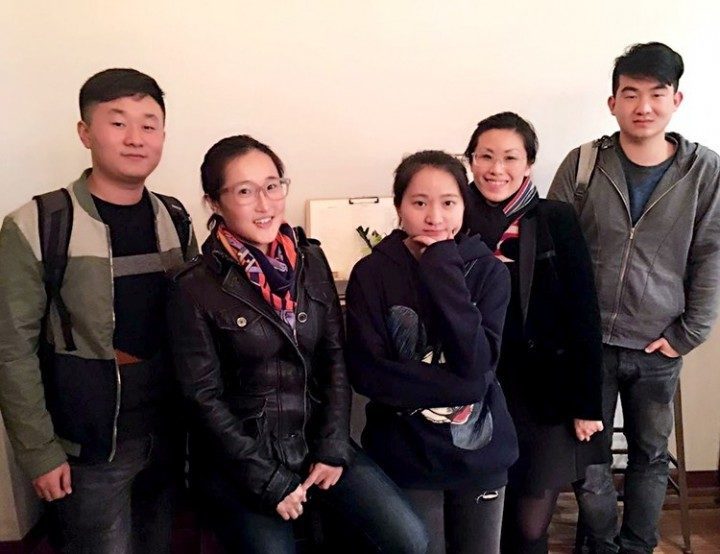
The PartnerGo team
Entering China
Partnergo first launched in September, 2014, and it quickly received attention from users in notoriously difficult real estate markets like Brazil and Russia. The company’s user numbers are still fairly low; while people from more than 30 countries have signed on, Tanya says the number of total users is just in the few thousands, with about 10 percent actively making deals on the platform. That could all change if Partnergo gains traction in the world’s most exciting real estate market: China.
To put it simply, modern Chinese love buying real estate, both at home and abroad. Within China, a massive property boom has been underway since the mid-2000s. It has turned owning an apartment into such a social and financial status symbol that entire “ghost cities” have cropped up as a result – towns overflowing with homes and apartment complexes, but all of which are someone’s second, third, or fourth property, with no one inhabiting them day-to-day.
Looking ahead





Stay updated on the go with our mobile app.
Get latest insights with smoother, more personalized experience through TIA mobile app.