 Grace Priscilla Teo · · 4 min read
Is the US-China AI ‘race’ a Western hallucination?
This article summarizes an episode of Cognitive Revolution’s video series featuring Brian Tse, CEO of Concordia AI.
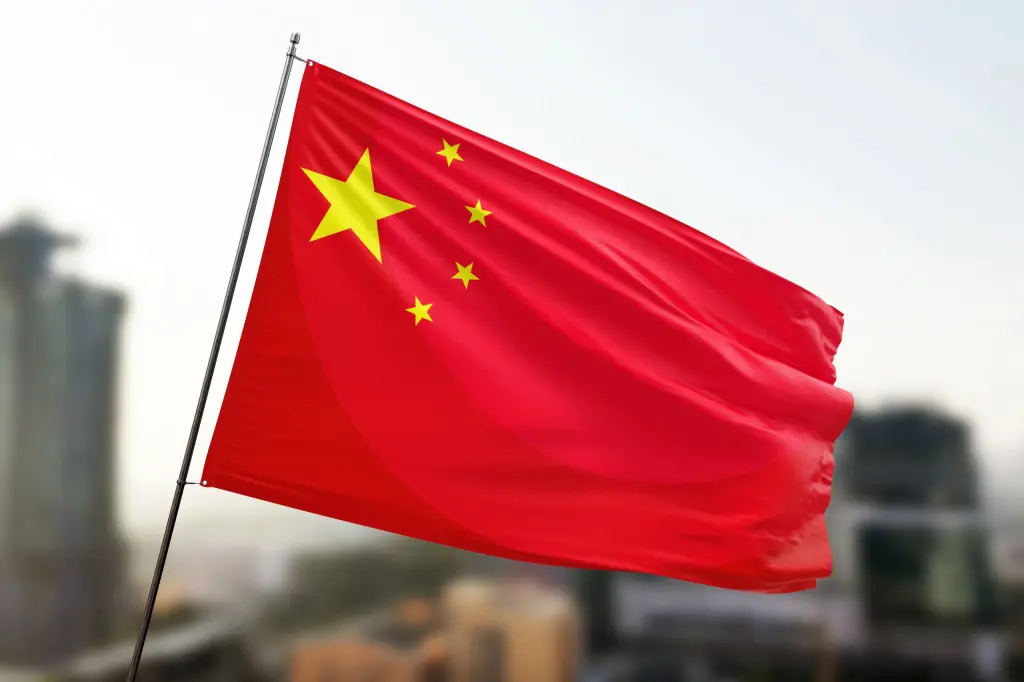
Photo credit: Shutterstock
The common belief in a US-China AI race misunderstands China’s true goal, argues Brian Tse, founder and CEO of Concordia AI. Tse explains how China’s national plan, regulatory framework, and research culture are all shaped by a more practical priority, which is using AI as a tool to boost the actual economy.
An economic tool, not a race for superintelligence
Tse explains that China’s goal is to make AI a part of the entire economy. “AI to serve as a new economic engine, a general purpose technology that is similar to the internet…that is fully used in the whole economy. The plan has six pillars, with the first one being a tool for scientific discovery and innovation.”
He also notes that this national plan does not mention artificial general intelligence (AGI), suggesting the country’s priorities are elsewhere.
Tse says, “notably throughout this comprehensive national blueprint for AI, it doesn’t mention AGI or super intelligence or any other such concept. It seems to me that the real AI race for China isn’t about beating the US to AGI supremacy. It’s about prioritizing integrating AI into and also boosting the real economy.”
A practical mindset defines the companies
The pressures and national goals in China create a different type of innovator who is focused on immediate usefulness.
Tse confirms that, “one thing that has significantly less discussion among Chinese companies and policy makers is specific AGI timelines or a clear kind of finish line for AGI…Chinese entrepreneurs have a stronger focus on achieving technological self-sufficiency, getting very useful and practical applications, and just being very profitable.”
A recent history of fast growth builds public trust
The Chinese public’s optimism about technology comes from their personal experience with progress.
Tse offers a personal view, “[my parents] were born around the 60s…and within their lifetime the per capita GDP of the country has increased by more than 140 times…When you have witnessed that level of transformative progress firsthand…you tend to have a more optimistic view of what technology as well as proper governance could deliver.”
A required path for new AI products
China has put in place a formal regulatory process for all publicly available AI chatbots, which differs from the voluntary approach seen in the United States. The system requires developers to complete several steps before a product can be released:
- Pre-registration. Developers must register any publicly available chatbot with the government.
- Mandatory testing. Models must be tested for safety against a national standard covering 31 different risk categories.
- Regulator access. The Cyberspace Administration of China is given access to test the model independently.
- Formal approval. The model must be officially approved by regulators.
Success is measured against a government standard
The approval process is based on clear metrics. Models must meet specific standards to be considered safe for public use.
Tse says, “there is a set of questions that the model would have to be queried and then at least 96% of the time the output should be considered acceptable by the authorities.”
Navigating a delicate situation





Stay updated on the go with our mobile app.
Get latest insights with smoother, more personalized experience through TIA mobile app.








📅 Upcoming Events
22 October 2026
Payoneer x CSPN Summit 2026