- Premium Content It takes our newsroom weeks - if not months - to investigate and produce stories for our premium content. You can’t find them anywhere else.
 Scott Shuey · · 6 min read
Chips stacked against SEA? New rules may hinder AI boom in region
Confusion over new US AI chip restrictions dampened Southeast Asia’s AI party last month as the industry scrambled to understand what they would mean for the region.
US Executive Order 14141, signed by President Joe Biden in his last week in office, limits the export of high-end AI chips.

Image credit: Timmy Loen
The directive could pose serious problems for AI developers as most startups in the region rely on cloud-based AI services powered by these high-end chips.
Southeast Asia’s business hub, Singapore, has recently been included in a US investigation into whether Chinese AI startup DeepSeek purchased advanced Nvidia chips from third parties.
Industry insiders interviewed by Tech in Asia agree that the short-term effect of the new rules will likely be minimal.
Chips already shipped to the region will stay there for now. At the same time, there are questions on whether the Trump administration will retain the restrictions.
There are also concerns about longer-term growth if the rules stay in place. Southeast Asia’s ambitions to become an AI hub will likely slow down. However, this may end up pushing the region into the arms of Chinese chip players.
14141 intact
Most of the industry is currently focused on what President Donald Trump will do. The day he took office, he began to undo many of Biden’s orders. However, Executive Order 14141 remains untouched.
“It’s pretty much impossible to predict what Trump would do, actually,” says an insider who asked not to be named. “He might roll back some of these provisions or he might escalate them even more. He might just use it as bargaining chips.”
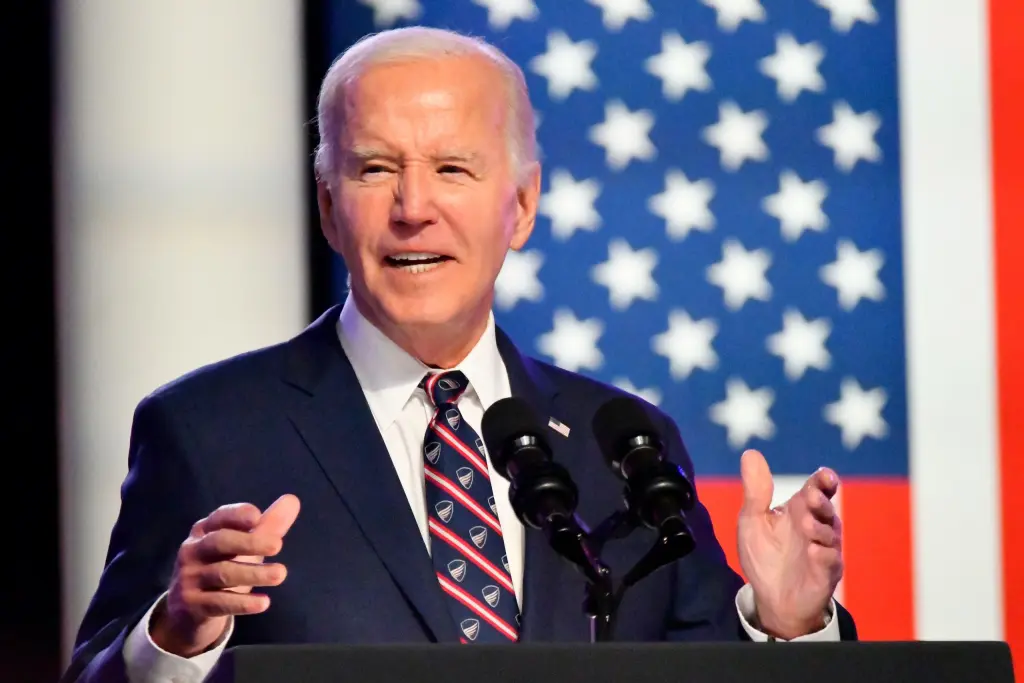
Former US President Joe Biden, who signed Executive Order #14141 to restrict the export of high-end AI chips. / Photo credit: Shutterstock
Any immediate effect is also likely to be limited because Southeast Asia currently has more than enough capacity to cope with the existing demand for AI services.
Yet, investors and startups in the area still worry about what an escalation in US-China tensions could mean for the region’s AI industry.
Many exceptions
When too much is not enough
Stay ahead in Asia’s tech landscape
This is premium content. Subscribe to read the full story.
New US restrictions could push hyperscalers to place newer chips outside the region.
We know this is not ideal. ⌛ Sign up in 20 seconds. Cancel anytime.
Our subscriber community includes professionals from these companies:





Stay updated on the go with our mobile app.
Get latest insights with smoother, more personalized experience through TIA mobile app.