Li Tao · · 3 min read
Chinese smartphone brands benefiting from concerns over Huawei in Southeast Asia
Doan Kim Chi works for a local bank in Hanoi, the capital city of Vietnam, and has been a loyal iPhone user for years.
She recently received an iPhone XS Max from her husband as a gift. It is the most expensive smartphone model from Cupertino, California-based Apple and retails at around US$1,100.
Although very satisfied with her new phone, Chi says she has noticed the rising popularity of new Chinese handsets in Vietnam in recent years, marking a change from the past dominance of brands such as Samsung and Apple.
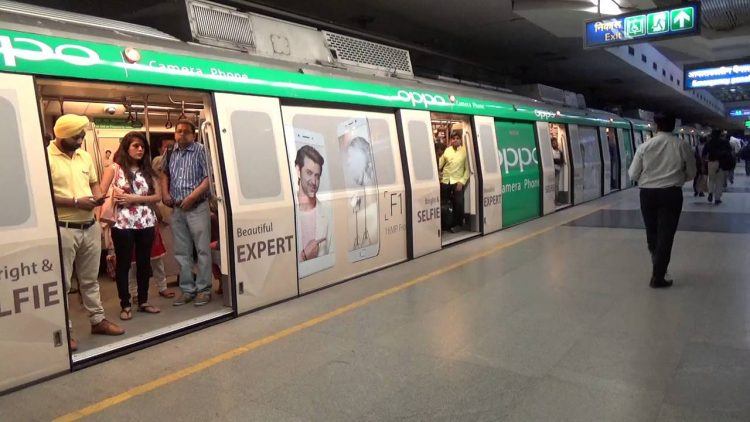
Oppo invades the Delhi Metro. / Screengrab from EG Communications video
“You can see adverts from the likes of Oppo everywhere [in Hanoi],” the 31-year-old Vietnamese banker said in an interview. “They have also hired local celebrities to help promote their phones here.”
The increased popularity of brands such as Oppo, Vivo, and Xiaomi in Vietnam comes after the deep-pocketed Chinese smartphone players launched a drive into emerging markets, leveraging the same kind of strategies they used to gain market share at home.
This includes aggressive marketing tactics and providing innovative handsets at an attractive price point.
“Oppo TV commercials are broadcast during the golden hour on TV, just after the news and in between movies,” said Chi. “You always see an Oppo ad when something big is on the TV.”
After grabbing more than two-thirds of market share in terms of shipments in China and India, two of the world’s largest smartphone markets, these three Chinese smartphone brands have turned to Southeast Asia.
They garnered 62% of the region’s 30.7 million total handset shipments in the second quarter, up from 50% in the same quarter last year, according to a note this month from industry research agency Canalys.
“New brands are popular in Southeast Asia as the chance of success is higher than in other parts of the world,” said Canalys Analyst Matthew Xie in the note. “With 75% of shipments consisting of sub-US$200 models, the market here is focused on mid-to-low-end smartphones, a segment where brand loyalty is low.”
While South Korean market leader Samsung Electronics remains top dog in the region after a 5% growth in the second quarter, following declines in the past three quarters, Chinese brands Oppo, Vivo and Xiaomi secured the second, third and fourth spots, respectively. Oppo posted its biggest-ever growth of 49% in the three-month period.
Realme, an India-focused brand that shares the same owner as Oppo, entered the Southeast Asia top five for the first time with a shipment of 1.6 million smartphones, or a 5.2% share, according to Canalys.
“They [Chinese smartphone brands] have continued their journey to not only provide cost-competitive products but also bring innovative features to market,” said Kiranjeet Kaur, Singapore-based senior research manager at IDC. “This includes new charging methods and camera capabilities, which consumers find very appealing.”





Stay updated on the go with our mobile app.
Get latest insights with smoother, more personalized experience through TIA mobile app.