Avanish Tiwary · · 6 min read
As Chinese funding dries up in India, local tech startups are looking elsewhere
This article is co-written by AJ Cortese.
India is home to 30 unicorn companies, 18 of which are at least partly backed by Chinese investors. As India’s economy continues to digitize, Indian tech startups have increasingly looked to Chinese investors for venture capital funding as well as for internet industry expertise.
Chinese investors poured US$3.9 billion into India in 2019, up from US$2 billion in 2018, as India’s burgeoning internet industry bears many similarities to China’s online sector, not least of which is the immense scale of both markets.
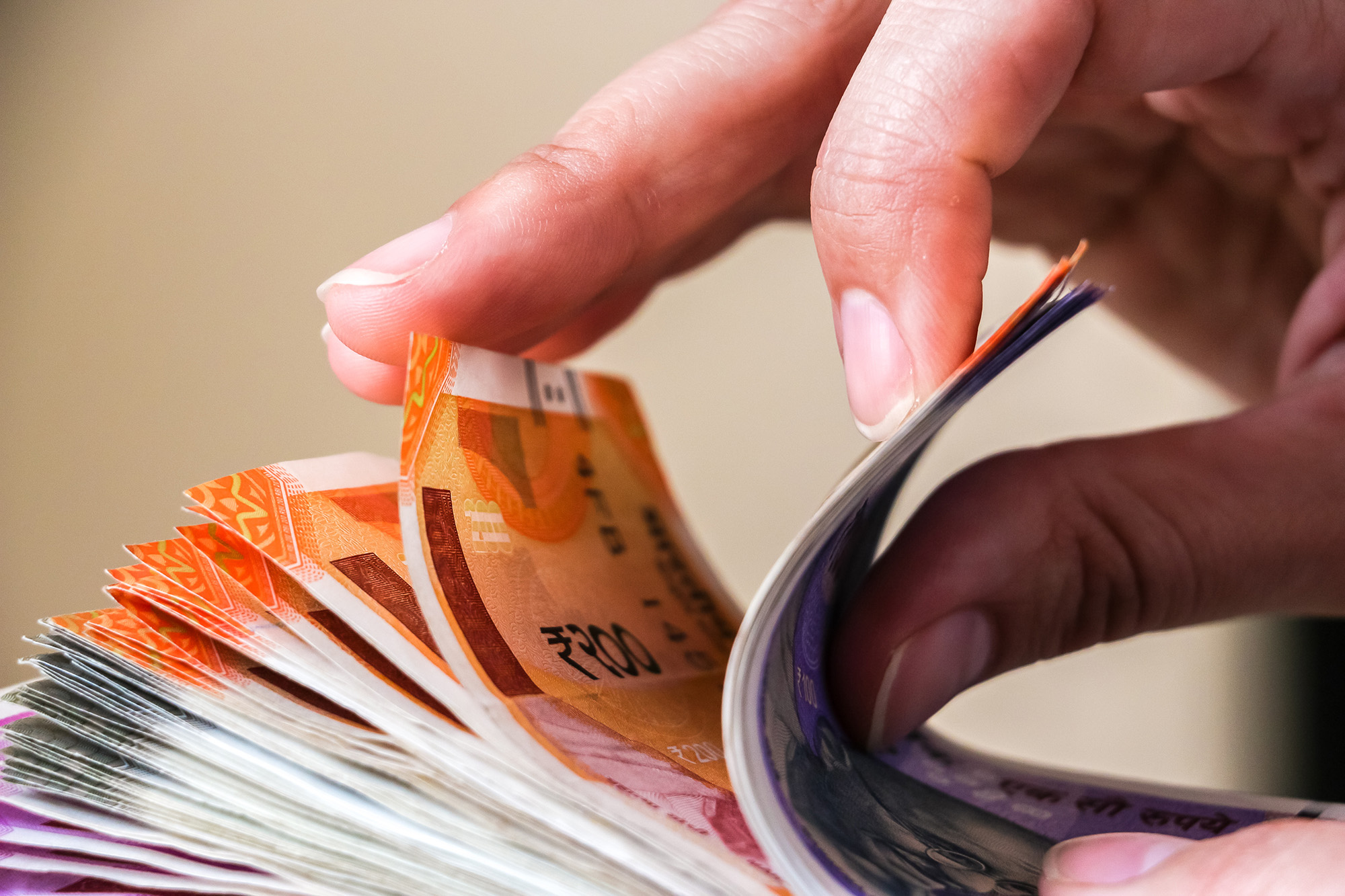
Photo credit: 123RF
To name a few examples, India’s digital payments leader Paytm counts Alibaba Group and its financial affiliate Ant Group as key investors in the company’s journey to spread mobile payments in the world’s largest cash economy.
Swiggy, one of India’s frontrunners in food delivery and local services, has received significant investment from Chinese internet giants Tencent and Meituan-Dianping, while its rival in the sector, Zomato, is backed by Ant Group, with the Hangzhou-based financial technology firm holding more than a 25% stake in the company.
In addition to China’s internet giants Alibaba and Tencent, venture capital funds Shunwei Capital and Morningside Venture have been actively investing in India’s developing tech ecosystem. In December 2019, Chinese insurance giant Ping An made its first investment in the country, participating in CarDekho’s US$70 million series D round along with Sequoia China and Hillhouse Capital.
However, following political tensions between the two countries, India’s Ministry of Commerce rolled out a new policy in April to block “opportunistic takeovers.” It now requires all foreign direct investment (FDI) from neighboring countries that share land-border with India to be approved by the government. In a press note, the Indian government stated, “It has reviewed the extant FDI policy for curbing opportunistic takeovers/acquisitions of Indian companies due to the current Covid-19 pandemic… and amended the FDI policy, 2017.”
“If one has filed all the proper documents, the Indian review team would take around 45 days to [review the request and grant] the approval to invest in India,” Alok Sonker, partner at K Law, explained to KrAsia about the implementation of the law.
A preliminary result of the new policy is clear: Investment from China in Indian companies fell down from US$1.23 billion in the first half of 2019 to US$263 million across 15 deals in H1 2020.
How are Indian startups adapting?
Of India’s neighbors, China is by far the largest supplier of foreign investment, and the initial effects of the funding roadblock are already felt. When food delivery unicorn Zomato couldn’t receive US$50 million from Ant Group, as part of the US$150 million round it announced in January this year, it raised US$62 million from Singapore’s sovereign wealth fund Temasek instead.
For Indian tech startups that have relied on Chinese investment in the past, the future looks uncertain as they look for alternative funding sources. Some have also raised concerns about the policy’s potential impact on existing foreign-owned stakes in Indian companies.
A Bengaluru-based startup founder, who has raised a series A round from a Chinese venture capital (VC) fund, told KrAsia on the condition of anonymity that India shouldn’t stop Chinese money from coming into the country. “Indian founders need money as well as the [Chinese VCs’] know-how of the industry. Instead of ‘blocking’ investment from China, India should pass a law that limits their shareholding in an Indian company,” the founder said.
Meanwhile, the shift is likely to mean greater interest in fundraising from US investors, which are also very active in India’s tech sector. US-based funds have been investing in Indian tech startups since 2010 and have forged long-term relationships with people in the industry. In fact, many Chinese VCs prefer to invest in an Indian startup only if there’s an American or Indian fund joining the round that is already familiar with the founders or the sector.
What does this mean for active Chinese investors in India?





Stay updated on the go with our mobile app.
Get latest insights with smoother, more personalized experience through TIA mobile app.