Chinese e-commerce site Jingdong (formerly known as 360Buy) is one of China’s biggest B2C e-commerce platforms, but according to a Beijing News report, one Beijing customer seems to have caught the company red-handed selling a counterfeit product. (Update: See the statement from Jingdong below).
Ms. Wu says she bought some Kiehl’s eye cream from the site during a promotional event earlier this month, but noticed that the product was slightly different when compared to the ones she usually buys at the Kiehl’s retail shop. When she took her online purchase in to ask about it, “the worker there said it was obviously a fake.”
You can see some of the differences in the image below; the tin she bought from Jingdong is on the left and the legit tin is on the right. As you can see, the labels aren’t just different; the creams apparently use wholly different ingredients.
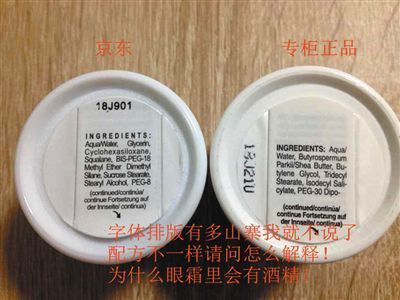
Wu wasn’t the only one with this problem, either. Following the sale, many customers had complaints about the cream they recieved, and a QQ group Wu created to help organize the dissatisfied consumers grew to more than 250 people within just a few days. But Wu says Jingdong won’t accept returns unless the customers have a test report that proves there’s a problem with the product, and chemical composition tests aren’t the easiest thing for everyday consumers to get their hands on.
(Update: The following quote is from the company):
As part of Jingdong’s commitment to offering China’s best online shopping experience, we stringently select and monitor our suppliers to ensure that all products offered on our B2C platform are genuine. We have investigated this matter and based on certification documents provided by our supplier we are confident that the Kiehl’s eye cream products in question received by our customers were genuine. Jingdong will continue to strive for complete customer satisfaction.
Jingdong told the Beijing News that their products are all legitimate and provided by suppliers, but declined to comment on its supplier’s relationship with Kiehl’s or to say who its supplier is. The company also said the differences Ms. Wu experienced could be just be because of the minor changes that can occur in different batches of cream. (We’ve contacted Jingdong to see if it has any additional comment on the matter).
Kiehl’s told the paper that Jingdong is not an authorized online seller of Kiehl’s products, so it’s not clear who the supplier actually is here.
Recently, we wrote about the difficulties Taobao has had in getting rid of fake Adidas products, but Taobao is a C2C platform, and its many users/vendors can be tough to control despite the company’s best efforts. Jingdong has a lot more control over its B2C platform, so if it turns out the company really was selling fakes — intentionally or not — that could really hurt its reputation and possibly push it even further behind e-commerce frontrunner Alibaba.
(Beijing News via Sina Tech)





Stay updated on the go with our mobile app.
Get latest insights with smoother, more personalized experience through TIA mobile app.