Zen Soo · · 4 min read
Chinese consumers buy more domestic brands in 618 shopping festival amid trade war
Consumers in China, the world’s largest ecommerce market, have shifted to buying more goods from domestic brands in the country’s annual midyear online shopping festival amid the escalating trade war with the US.
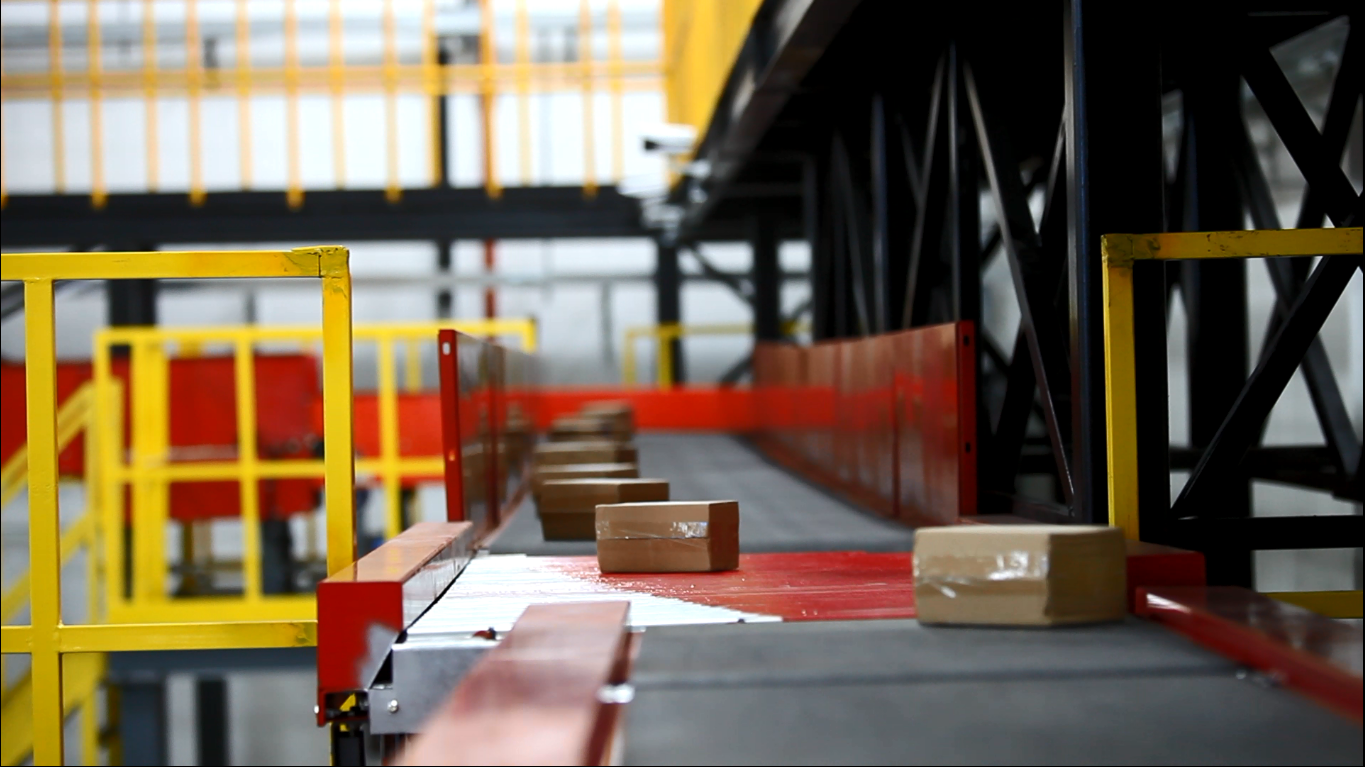
JD.com’s automated sorting center in Kunshan / Photo credit: JD.com
Chinese home appliance brands like Hangzhou’s Supor, Shenzhen-listed Midea Group, and Jinan’s Joyoung, in Shandong province saw their combined sales increase fourfold during this week’s 618 shopping festival compared with a year ago, according to popular group-buying platform Pinduoduo.
State-owned dairy company Yili Group and Honor, a smartphone unit under Huawei Technologies, were among the homegrown brands that sold more than 100 million yuan (US$14.4 million) each on Alibaba Group Holding’s Tmall platform in the shopping event. About 60% of brands that reached that sales milestone were Chinese brands, up from 55% last year.
Sales of domestic smartphone brands rose 71% year on year during the festival, according to online shopping mall operator Fenqile.
Ecommerce firm JD.com, which initiated the 618 campaign about 15 years ago, estimated that sales of distilled Chinese liquor Mao-tai doubled from a year ago, while those of Hangzhou-based scissors maker Zhang Xiaoquan grew 160% year on year.
“There was a surge in demand for imported goods among Chinese consumers over the past several years, driven by rising income,” said Carol Fung, a vice president at JD.com, in a media briefing ahead of the shopping festival this week.
“But now, consumers are getting smarter, and Chinese brands are catching up in terms of product quality and service.”
Such demand will help Beijing’s move to shift the economy to domestic consumption-driven growth to counter falling exports and the country’s biggest economic slowdown in nearly three decades, compounded by the trade war with the US. It would also support the nation’s drive to build up indigenous brands, products, and services that will reduce its reliance on Western imports.
The glowing results for domestic brands in this week’s 618 shopping festival come as Washington and Beijing remain nowhere near to ending a trade war that began last year, when US President Donald Trump imposed higher tariffs on Chinese imports.
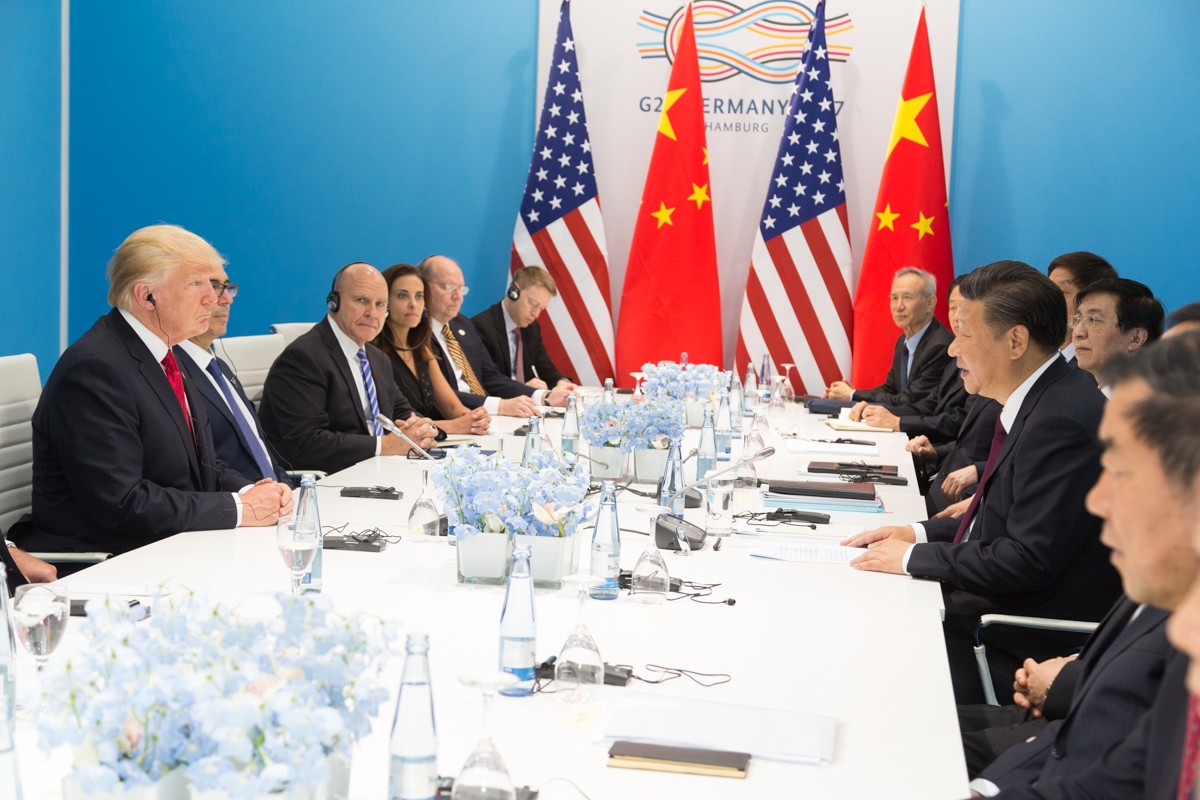
US President Donald Trump and Chinese President Xi Jinping at the G20 Summit in 2017 / Photo credit: The White House
Chinese President Xi Jinping has said he hopes to address “fundamental China-US issues” in his meeting with Trump during the G20 summit in Osaka next week.
While there was some softening in consumer confidence in China because of the trade war and slowing macroeconomic growth, consumption on the mainland perked up again during shopping events like the 618 festival, according to Michael Norris, research and strategy manager at digital marketing firm AgencyChina in Shanghai.





Stay updated on the go with our mobile app.
Get latest insights with smoother, more personalized experience through TIA mobile app.