This article is co-written by Minghe Hu.
It has been a tumultuous 12 months for many Chinese technology giants, including telecoms behemoth Huawei Technologies and TikTok owner Bytedance, both of which are at the center of increased Sino-US tensions. We have taken a look at how some of these tensions might play out in 2020, but before we leave 2019, here is a round-up of some of the key developments in the past year.
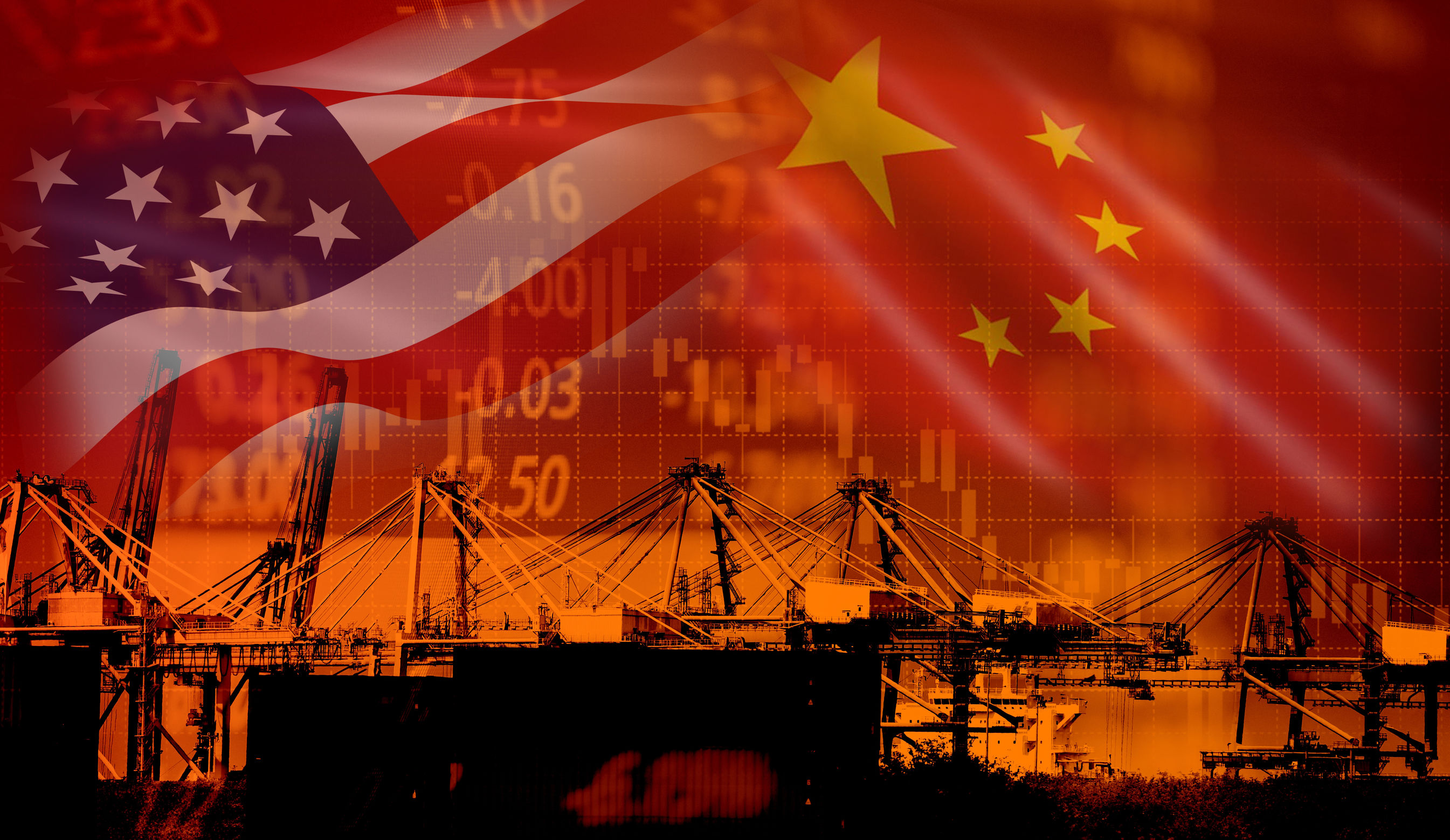
Photo credit: Engdao Wichitpunya / 123RF
US-China tech war caught fire
The US Commerce Department extended its trade blacklist, known as the Entity List, that bans firms from buying American-origin technology without explicit permission in the form of a license.
New to the list this year were more than a hundred Chinese entities, including Huawei, surveillance device makers Hikvision and Dahua, and AI unicorns like SenseTime and Megvii. Huawei was added to the list on national security grounds, which the firm contests, while the surveillance and AI firms were sanctioned for breaches of human rights after allegations that China used the company’s surveillance technology in its crackdown on Uygur and other ethnic minorities in Xinjiang.
Huawei, the world’s largest telecoms equipment supplier and second-biggest smartphone vendor, made headlines late last year after chief financial officer Meng Wanzhou was arrested in Vancouver at the request of Washington on charges of bank fraud. Being added to the Entity List has meant Google closing access for Huawei to Android operating system updates and several popular apps, such as Gmail.
Ren Zhengfei, the billionaire founder of Huawei, broke years of silence and talked to more than 20 mainstream foreign media outlets in 2019, defending the company’s compliance and technology record. Despite the export ban imposed in May, the Trump administration has permitted US companies to keep selling certain products to Huawei, which it says is intended to minimize disruption for its US customers.
China seeks to reduce reliance on foreign suppliers in its supply chain
In response to the US trade ban and Google cut-off, Huawei unveiled its self-made operating system, Harmony OS, as an alternative to Android. The telecoms giant aims to make the system the world’s most advanced for the next generation of smartphones and internet-of-things applications, although many analysts are skeptical about how it will be received by overseas customers. Also this year, Huawei revealed a new cutting-edge chip to serve the needs of big data processing and reduce reliance on imported technology from the US.
Other Chinese tech companies also made progress on self-developed tech. Chinese ecommerce player Alibaba revealed its own AI inference chip, and researchers at Tsinghua University developed a hybrid chip which takes us one step closer to a future filled with humanlike “thinking machines.” The achievement reflects the accelerated pace of development in China in the fields of AI and semiconductor design.
TikTok achieves overseas success only to face US backlash
TikTok, the short-video sharing app, has become a global hit since its launch in 2017. The app, owned by Chinese company Bytedance, was the seventh most downloaded app of the 2010s, topping YouTube and Twitter, according to recent a report by App Annie.
But the popularity of TikTok has drawn attention from lawmakers and regulators in different countries. Washington has launched a national security review of Bytedance’s US$1 billion acquisition of US social media app Musical.ly, which was later absorbed into the TikTok app, after several US senators voiced concerns over privacy and censorship issues.
Bytedance, which runs TikTok in international markets only and its counterpart Douyin as a separate app for the China market, has repeatedly denied being influenced by Beijing and said that the content and moderation policies of TikTok are led by a US-based team.
5G gets its commercial start
Fifth-generation (5G) mobile telecommunications technology enables data to be transferred at a speed that is roughly 20 times faster than existing standards and is considered as a technology crucial to reaping increased economic benefits from connecting billions of devices and building new services in the future.
China’s 5G infrastructure development efforts have been pushed forward amid the protracted trade war with the US. The country’s three largest telecoms network operators have all launched 5G tariff plans after having been granted commercial 5G licenses this year, signalling major new investments in the world’s largest mobile market.
Hong Kong protests, disinformation, and censorship
China catches up in basic research; quantum computing hits milestone
Notorious 996 work culture and labor rights
Ecommerce grows with new trends
Blockchain wins Xi’s endorsement





Stay updated on the go with our mobile app.
Get latest insights with smoother, more personalized experience through TIA mobile app.








📅 Upcoming Events
22 October 2026
Payoneer x CSPN Summit 2026