Sign up for the Daily Newsletter, sent exclusively to our premium subscribers. We break down the big and messy topics of Asia’s tech and startup community. Get the newsletter in your inbox everyday with a premium subscription.
Hello reader,
Hearing stories about how people grew up can be pretty illuminating. We aren’t who we are without our past, even if it can sometimes be sad, painful, or perhaps even traumatic, and the things we’ve experienced shape the people we have become.
Today’s premium article got me thinking that this logic applies to businesses as well.
A number of Chinese companies are trying to move away from being “Chinese companies” in order to appeal to overseas investors and mitigate risks associated with having origins in China.
But as the author of today’s story says, the core advantages of these companies lie in leveraging their experience in China to build up technological capabilities and expertise – and it’s pretty hard to shed that, especially when it’s made them what they are.
Today we look at:
- Why some Chinese companies are distancing themselves from their roots
- Indonesia’s plans to launch a Temasek-esque investment agency
- Other newsy highlights such as Tim Cook’s most recent visit to China and Zomato’s fundraising plans
Premium summary
The China question
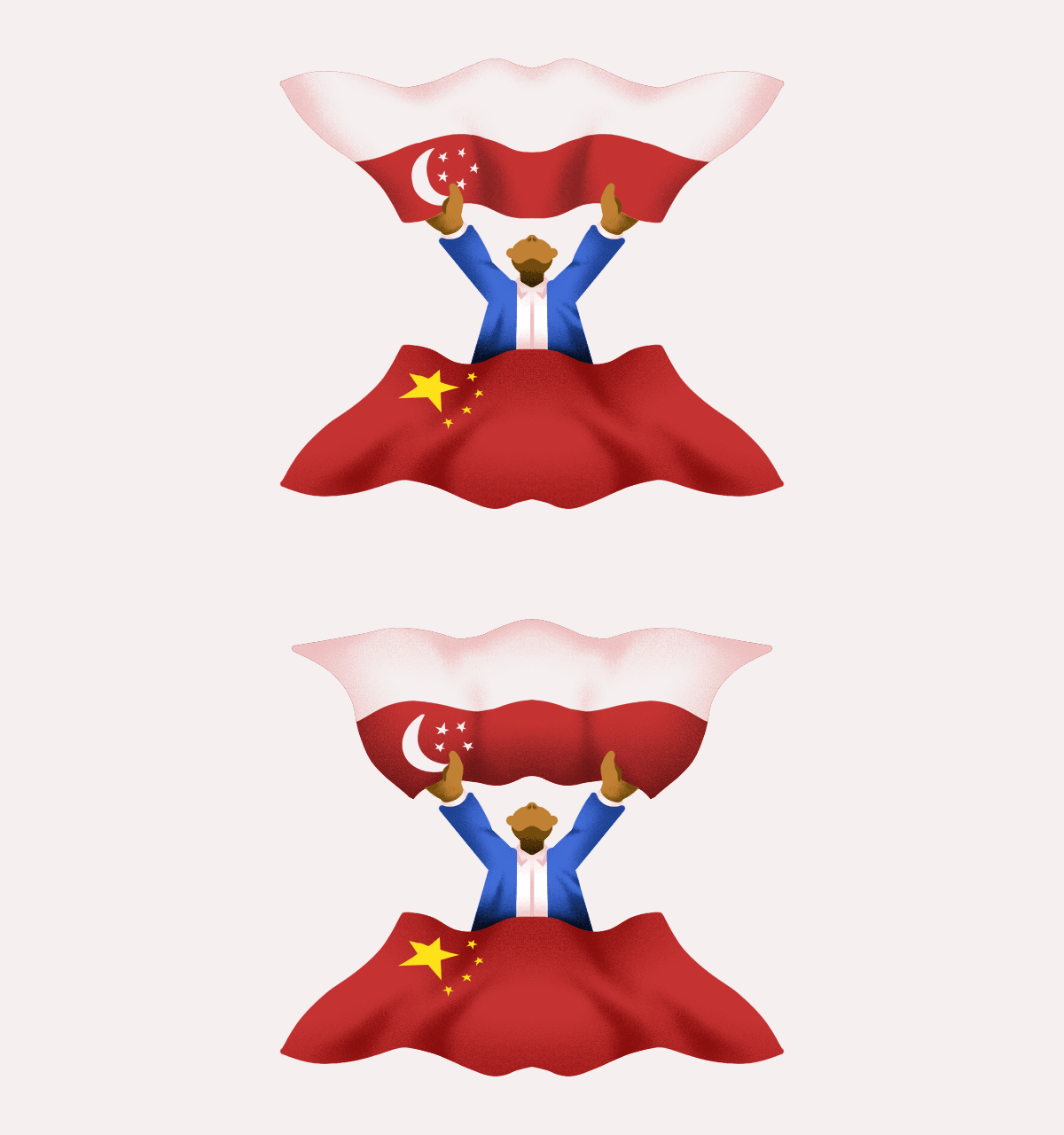
Image credit: Timmy Loen
China-founded firms like Hillhouse Capital, Shein, and ByteDance have all put down strong roots in Singapore. This “Singaporization” of their corporate domicile and branding is part of a broader move that some call a “China-shedding” strategy.
- Why the distance? These firms are facing scrutiny around the globe due to their Chinese connections. For instance, ByteDance is being pressured to divest its US TikTok operations, and Shein has faced challenges with its attempts to list in the US and London.
- It’s hard to shed your history: While these firms are trying to rebrand themselves as global entities, they remain deeply connected to China. For example, private equity firm Hillhouse continues to invest heavily in sectors aligned with China’s economic priorities such as AI and clean energy. Plus, its core value proposition remains deeply tied to its expertise in navigating the Chinese market.
- What story are we telling? The success of these strategies hinges on the companies’ ability to navigate both China’s unique opportunities and the complex global environment. However, this dual approach raises questions about transparency and the potential for conflicting narratives.
Read more: Hillhouse, ByteDance, and Shein’s dance around the China question
News spotlight
New plans for Indonesia
Unwind and connect with B Capital, Yoona Digital Indonesia, Olofsson, and more
Quick bytes





Stay updated on the go with our mobile app.
Get latest insights with smoother, more personalized experience through TIA mobile app.