C. Custer · · 3 min read
Disconnect: all this electric car excitement is misguided
Disconnect is a weekly column in which Tech in Asia’s Charlie Custer pokes at holes, plays devil’s advocate, or otherwise attempts to rain on the tech industry’s parade.
There’s no denying it: tech companies in China are all agog over electric vehicles. There’s LeEco’s smart electric car project, the Chinese-tech-billionaire-backed Faraday Future, Tencent’s project with Foxconn and China Harmony, NextEV, the now-Chinese-owned Fisker, and many more. Heck, earlier this week we saw yet another Chinese EV startup nab a US$120 million funding round.
Tech companies are putting the cart before the horse.
Electric cars are the future, especially in China, where they’re seen as a solution to the serious pollution problems already plaguing many of China’s cities. China’s tech companies want a slice of what’s likely to be a lucrative market, yes, but they also want to be seen as promoting a sustainable environmental future.
Not so green
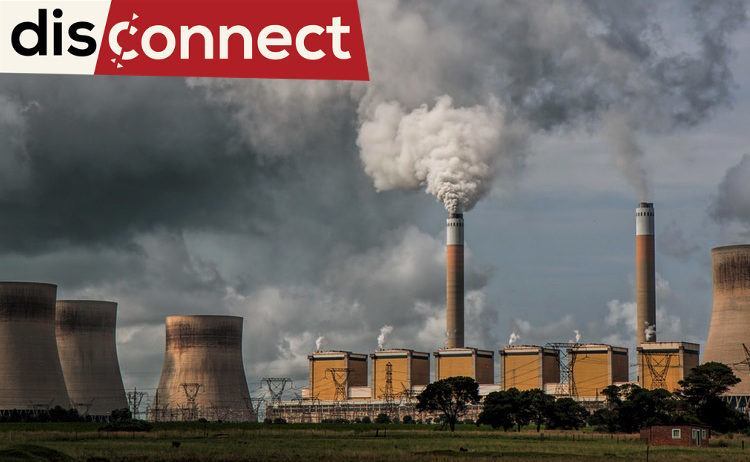
Here’s the thing about electric cars, though: they’re only as clean as their power source. You may not need to pump gas into them, but they’re still powered by fossil fuels if your local power plant isn’t renewable energy. You’re just burning the fossil fuels needed to power your car somewhere else: in the power plant rather than in the car itself.
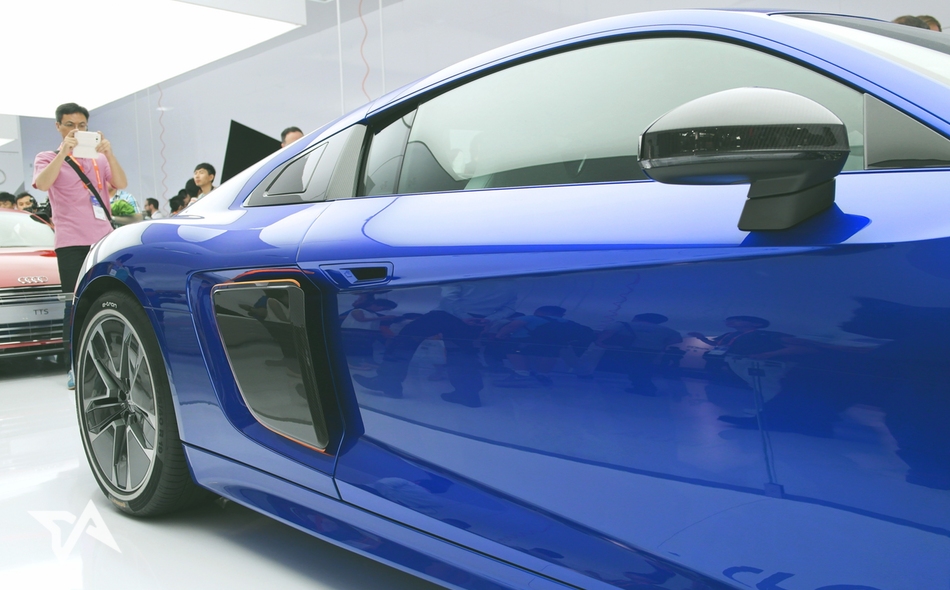
The Audi R8 e-tron concept at a tech expo in Shanghai.
And sadly, this is the case for most of China. 88 percent of China’s power is generated by burning fossil fuels. The government hopes to push that number down to 85 percent by 2020, but that still means that even in 2020, most electric cars in China will be powered by fossil fuels.
Electric cars are less than green in other ways, too. Because they need to be lightweight but strong, they tend to contain rare materials like lithium that are mined in environmentally-damaging ways. And of course, all of that mining also produces emissions. All told, the production of an electric car can actually be worse for the environment than the production of a regular one.
Adjusting priorities
This isn’t to say that electric cars are bad; and if you can get your power from renewable sources, they’re far better than gas guzzlers. But most of Asia isn’t getting its power from renewable sources. These tech companies are all putting the cart before the horse in focusing on producing “green” electric vehicles when there’s very little green energy to power them.
Until cars are powered by renewable energies, don’t expect them to solve pollution problems.
I’ve often been critical of Apple, but this is one area where I think Apple has gotten things right. Its long-rumored electric car hasn’t materialized yet, but it has poured money into renewable energy projects in the US, and it’s now doing the same in China, where it’s building 200 megawatts worth of solar power plants.
Electric vehicles, as a more easy-to-understand, consumer-facing product, probably offer the better prospect for profits in the short term. But if China’s internet companies really want to make the world a better place, they should be investing in renewable energy projects. In the long run, there’s a ton of money in it for a company that can produce a more efficient solar panel or – perhaps more difficult still – a solar panel that doesn’t require rare materials to manufacture.





Stay updated on the go with our mobile app.
Get latest insights with smoother, more personalized experience through TIA mobile app.