C. Custer · · 3 min read
If China Telecom is throttling access to international websites, it’s bad news for startups
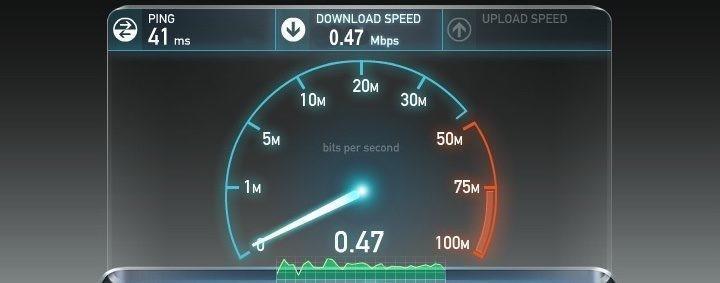
Over the past few days, China Telecom has found itself in the media hotseat after allegations that it is intentionally slowing connections to overseas websites from Shanghai in order to charge for international web access as an added-value service.
The company’s Shanghai subsidiary has denied intentionally throttling overseas access, and says it is dealing with infrastructural issues that should be repaired next month. But an investigation by Shanghai Television recorded a Telecom customer service rep telling a customer that international service could be “very very slow if you don’t buy the new package.”
The new package in question is the weirdly-named Nitrogen Cylinder, which charges an extra RMB 2 every 3 hours for faster access to the global web.
Shanghai Television’s investigation found that with China Telecom, international sites could take minutes to load, while the same sites loaded relatively quickly for people using other Chinese ISPs. A Chinese newspaper also found that international sites were taking minutes to load via Telecom connections.
Independently, Tech in Asia has heard complaints from Shanghai-based business people about the speed of China Telecom when accessing international servers.
A worrying trend?
Right now, it’s not clear exactly what is happening, since Shanghai Telecom denies intentionally throttling anything. But if the company pushes charging extra for speedy access to the international web, and if that approach catches on with elsewhere with China Telecom and China’s other two big telecom companies, it could have devastating effects for startups and SMEs.
Many Chinese startups and small businesses rely on predictable, speedy access to the world wide web. Sellers may want to list their products on Amazon or eBay, for example. Startups may want to use Gmail to cut down on costs, or use foreign-based collaboration tools to work with their overseas investors. Giving up speedy access to the international internet isn’t an option for most companies, but since startups often operate with razor-thin margins, having to fork out extra cash for the privilege of making their world wide web actually world wide could really hurt.
For example, Rich Brubaker, who is founder of the Shanghai-based strategy firm Collective Responsibility, told Tech in Asia:
As a small business owner with foreign clients, the recent changes in internet connectivity plans have put us in a tough position. We are faced with the decision to accept a reduced speed, and thus lost productivity, or pay significantly more for our previous level of service. Which, at a time when the economy is already struggling, just adds another layer to the challenge of being an SME in China.
Indeed, China’s economy already seems to be on shaky ground right now, so it seems unlikely that China Telecom and its two main competitors would all push forward with such a business- and consumer-unfriendly plan. But China’s web is a strange and illogical place sometimes, so you never know. If the international internet slowdown does catch on and companies are forced to pay for service upgrades, it could be quite harmful for some of China’s startups and SMEs.





Stay updated on the go with our mobile app.
Get latest insights with smoother, more personalized experience through TIA mobile app.