Steven Millward · · 7 min read
A fistful of Maos: China’s startups don’t want the dollar
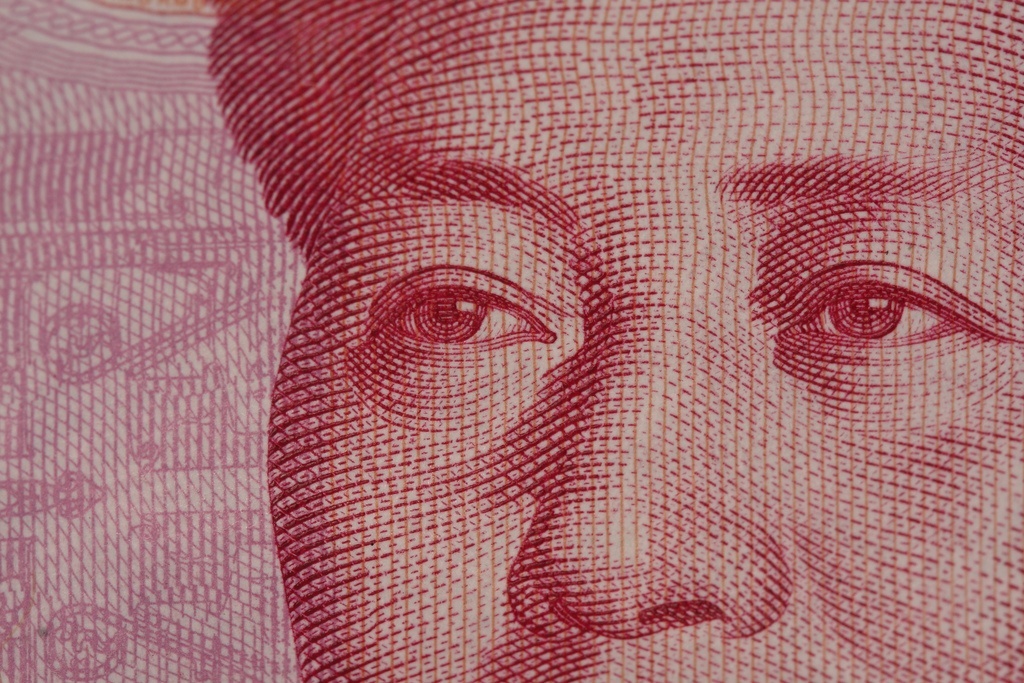
Mao’s face adorns all Chinese banknotes. Photo credit: David Dennis.
China’s startup industry is still booming and the investment money is flowing in thick and fast despite worries over the country’s economic slowdown and stock market jitters. But one thing is changing – startups don’t want US dollars any more.
“I went to X-lab today and they told me pretty much they only had a handful of companies that they knew of who were set up to raise USD,” says investor Rui Ma, speaking with Tech in Asia earlier in the week. “Specifically, he said it’s probably five. This is out of about 600 projects they have on the platform.” X-lab is an educational program focused on entrepreneurship at Tsinghua University that has seen dozens of its startups get funded.
What’s happening across China is that startups are seeking out funding in the local currency, the renminbi (RMB), from local investors or from the few global VC firms who offer it. That’s in place of fundraising from the kinds of dollar-based foreign investment funds that have provided so much of the money that fueled China’s startup ecosystem since the early 2000s.
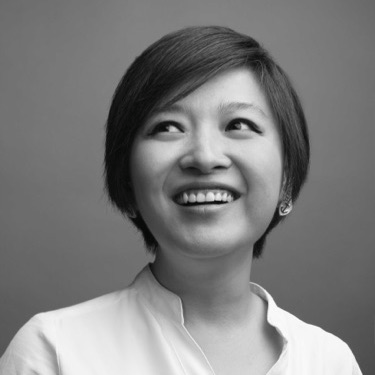
Rui Ma from 500 Startups.
Rui, who’s 500 Startups’ venture partner for the greater China area, says the shift to raising RMB is a “pretty obvious” one. She sees two primary reasons behind it. Firstly, Chinese startups get “better valuations or more funding” in RMB rather than USD, she says. Secondly, startups get an easier legal structure because they don’t have to create a special shareholding scheme, called a VIE, to accommodate the foreign investor dishing out dollars.
Plus, Rui adds, there’s “this belief that RMB capital markets will open up to be more friendly to younger or loss-making [startups] – or tech startups with a shorter path to liquidity and, once again, better valuations.”
So when a Chinese startup says show me the money to a VC, they want to see Mao’s face, not Benjamin Franklin’s.
Local know-how
Another factor in this transition is avoiding being misunderstood by investors.
“For companies that focus on the China market, RMB funds make sense. The investors focused on them are local, the customers are local,” says Ken Xu from Shanghai-based Gobi Partners.
This morning, Gobi Partners unveiled a new fund aimed at Chinese startups – and its coffers are full of pink RMB, not greenbacks. Gobi’s newest fund is worth RMB 600 million (US$94.1 million). It’ll focus on seed, pre-A series, and series A investments in early-stage Chinese startups. The average deal size will be about RMB 10 million (US$1.57 million).
“China’s venture capital industry is entering a golden age for RMB funds. In the past, the vast majority of Chinese startups opted for USD funds due to the composition of investors, availability of capital and exit opportunities. Now, with the emergence of local institutional investors and promising returns from the domestic market, more companies actually prefer RMB funds,” explains Don Jiang, a partner at Gobi.
Rui anticipates this trend continuing as what she calls tier-one VCs create new RMB funds that are larger than their previous dollar war chests. Previously, if a VC focused on the China market had both USD and RMB funds, they’d be about the same size.
Co-existing
Inconvenient
Delisting





Stay updated on the go with our mobile app.
Get latest insights with smoother, more personalized experience through TIA mobile app.