 Erik Crouch · · 3 min read
China issues first credentials to online reporters so they can ‘expound socialist core values’

In many respects, China is one of the most exciting countries in the world for tech. It has a thriving startup scene, internet juggernauts like Alibaba and Baidu, and a level of innovation that rivals anywhere else. But then you get to the world of news media, and it can feel like stepping back in time.
The headline “China allows online media to report news,” sounds like it could have been written in 1998. But no, it was written in November, 2015.
A stifled media landscape
The state-run Xinhua news agency reports that China granted its first press credentials to online media just last week.
“China previously banned most websites from reporting on news, only allowing them to edit and publish news from traditional media,” says Xinhua in the report.
That may have been the law, but it was hardly true in practice. Online-only news portals like Sina and Sohu have been reporting news for years, let alone the numerous bloggers and citizen journalists throughout the country.
Press credentials in China are a big deal. In most countries, they represent specific privileges like the ability to get higher-than-usual access to government figures. But in China, a press credential is the ability to do any reporting at all – without one, anyone writing original news content, doing interviews, or publishing is technically breaking the law.
While issuing some press credentials for online media is certainly better than issuing none at all, the process is not off to an encouraging start. The first group of officially-credentialed agencies included the People’s Daily, the government portal for Tibet, and Xinhua News Agency itself. In other words, the only groups issued state permits to report are… state-run media agencies.
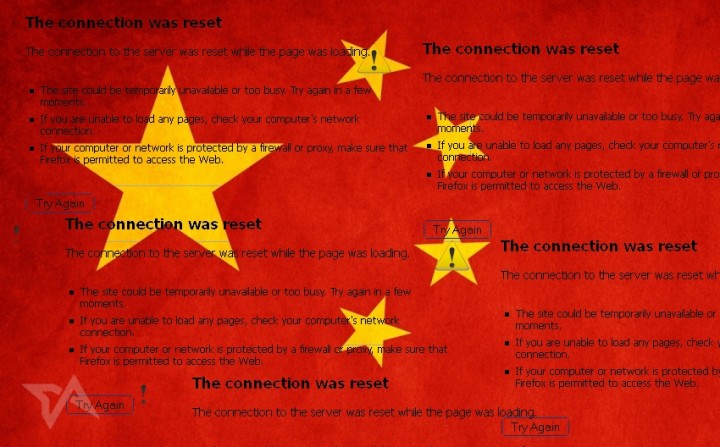 See also: China ranks dead last on global internet freedom survey
“Online-media reporters are expected to actively expound socialist core values and amplify the mainstream voice in the Internet, making cyberspace ‘clear and bright,’” says Xinhua.
No commercial (i.e. not state-run) news portals have yet been issued online press credentials.
This doesn’t mean the commercial press will stop reporting things online. It means Chinese authorities will always have a reason to intervene and stop their reporting if they decide to do so.
And if you’re a news/media startup looking to gain traction in China, don’t get your hopes up. Companies like Sina are huge, well-funded operations. If they haven’t been able to get credentials, the odds for smaller, less-established companies aren’t looking good.
Not being credentialed is a sign of credibility





Stay updated on the go with our mobile app.
Get latest insights with smoother, more personalized experience through TIA mobile app.











📅 Upcoming Events
22 October 2026
Payoneer x CSPN Summit 2026